
Flowers
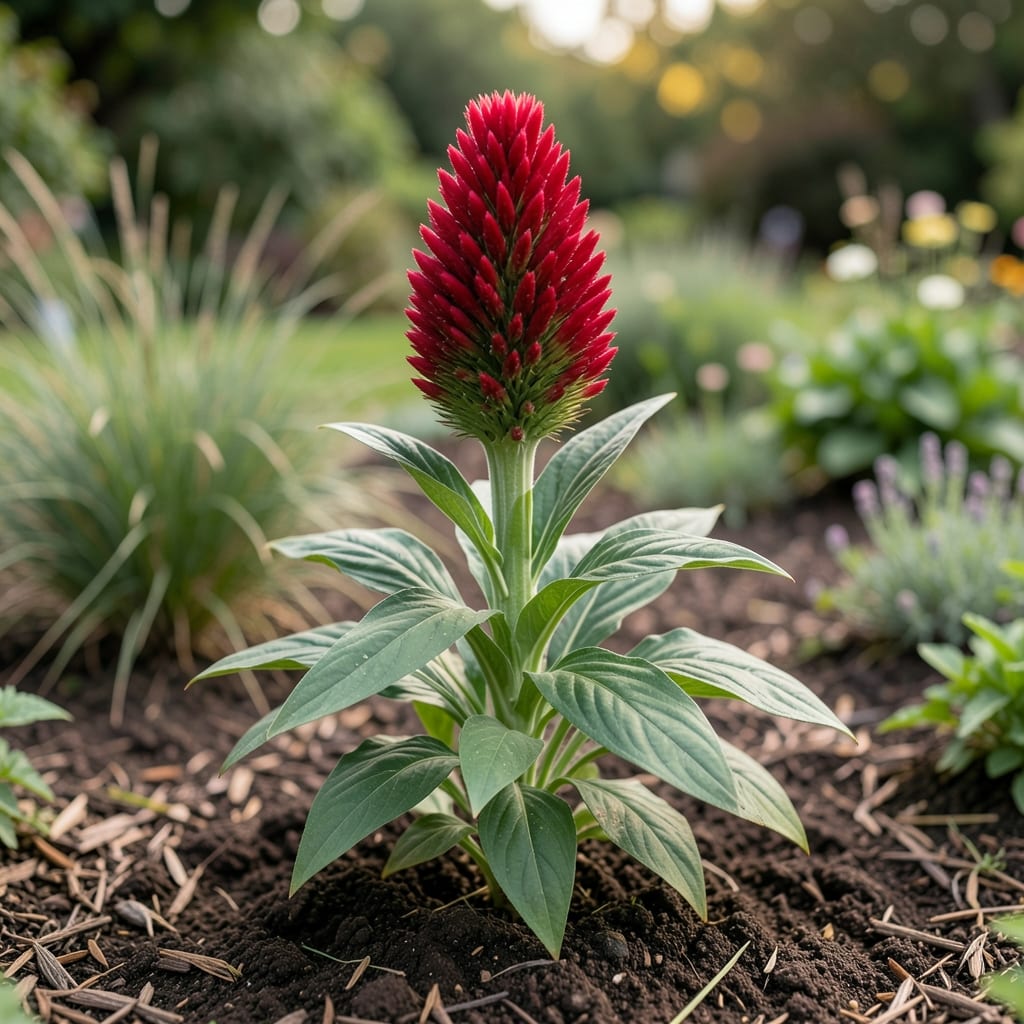
Curious about how tall celosia do they grow? These fiery flowers can range from compact 6-inch dwarfs to towering 3-foot giants, depending on the variety and care you give them.
If you're planning your garden beds or container arrangements, knowing the height differences between celosia types is game-changing. Some varieties stay neat and low, perfect for borders, while others reach impressive heights that make stunning vertical accents.
I'll break down exactly how tall each type grows, what factors influence their height, and how to space them for the best display. Whether you're working with 6a zone conditions or container gardening, these insights will help you create a showstopping garden.
From selecting the right variety to maximizing your space, you'll discover practical tips that make growing celosia both easier and more rewarding. Let's get started!

Celosia height by variety: from compact to towering
Understanding celosia height starts with recognizing the three main types: plumed, crested, and upright varieties. Each grows differently, so your garden design should account for these variations. Plumed celosia, like 'Cockscomb', often reach 2-3 feet tall, while crested types stay shorter at 1-2 feet. Upright varieties can even exceed 3 feet in ideal conditions.
For container gardening, dwarf varieties like 'Flame Toss' (6-12 inches) are perfect, while larger types need deeper pots to support their roots. Your garden spacing should reflect these differences—plant taller varieties at the back and shorter ones in front for a layered look. This creates visual depth and ensures all plants get enough sunlight.
Here’s how celosia height breaks down by type, along with ideal spacing for a polished garden display:
| Variety Type | Height Range | Growth Habit | Ideal Spacing |
|---|---|---|---|
| Plumed | 18–36 inches | Upright, plume-like blooms | 12–18 inches apart |
| Crested | 12–24 inches | Compact, velvety flower heads | 8–12 inches apart |
| Upright | 24–36 inches | Tall, sturdy stems | 18–24 inches apart |
| Dwarf | 6–12 inches | Low-growing, bushy | 6–8 inches apart |
If you're growing celosia in containers, opt for dwarf or semi-dwarf varieties to avoid overcrowding. A 5-gallon pot can comfortably hold one 12-inch plant, while larger containers (10+ gallons) can accommodate 2-3 plants of medium height. Always ensure pots have drainage holes to prevent root rot, which can stunt growth.
Sunlight plays a critical role in celosia height—full sun (6+ hours daily) encourages taller, more robust growth, while partial shade may result in leggy, shorter plants. In USDA Zone 6a, where I garden, I’ve found that plumed varieties thrive with afternoon shade in hot summers, balancing their height without sacrificing bloom intensity.
For border plantings, use crested or dwarf celosia to create a neat, low edge. Their 12–24-inch height pairs beautifully with salvias or lobelias, adding texture and color without overwhelming smaller perennials. In contrast, upright varieties make stunning backdrop plants behind sunflowers or hollyhocks, adding vertical interest.
Pruning is another way to control celosia height. Pinch back leggy stems in early growth to encourage bushier, more compact plants. This technique works especially well for plumed types, keeping them under 2 feet even if they’re prone to taller growth. Regular deadheading also promotes continuous blooming and prevents the plant from channeling energy into seed production, which can reduce height.
Soil quality impacts height too—well-draining, fertile soil with a pH of 6.0–7.0 supports optimal growth. Amend heavy clay soil with compost or perlite to improve aeration. I’ve noticed that poor soil conditions can stunt celosia growth, sometimes resulting in plants that stay under 1 foot tall, even for varieties that typically reach 2–3 feet.
If you’re aiming for cut flowers, taller varieties like 'New Look Scarlet' (up to 3 feet) are ideal. Harvest stems when flower plumes are fully formed but before they dry out. Cutting in the early morning ensures the longest vase life, and removing spent blooms encourages new growth, keeping your plants productive throughout the season.
For small-space gardens, consider cascade varieties like 'Century Mix', which spill beautifully over hanging baskets or window boxes. These varieties stay under 12 inches tall but can trail 18+ inches, adding drama without taking up vertical space. Pair them with petunias or nasturtiums for a vibrant, cascading display.
Celosia height by variety: from compact to towering
When planning your garden, understanding celosia height by variety is essential. These vibrant flowers come in three main types—plumed, crested, and upright—each with distinct growth patterns. Plumed varieties, like the popular 'Cockscomb', often reach 2-3 feet, while crested types stay shorter, typically 1-2 feet. Upright varieties can vary widely, with some dwarf types barely 6 inches tall.
The height of your celosia depends heavily on the variety you choose and the growing conditions you provide. For example, 'New Look' series celosias are bred to stay compact, making them ideal for container gardens or border plantings. Meanwhile, taller varieties like 'Chocolate Cherry' can become stunning vertical focal points in mixed flower beds.
Here’s a quick reference for celosia height ranges by type to help you plan your garden layout:
| Variety Type | Height Range | Growth Habit | Ideal Spacing |
|---|---|---|---|
| Dwarf Plumed | 6-12 inches | Compact, bushy | 8-10 inches apart |
| Semi-Dwarf Plumed | 1-2 feet | Moderate spread | 12-16 inches apart |
| Standard Plumed | 2-3 feet | Tall, upright | 18-24 inches apart |
| Crested (Wheat Head) | 1-2 feet | Bushy, rounded | 10-12 inches apart |
For container gardening, dwarf varieties thrive in 5-7 gallon pots with proper spacing. In garden beds, taller varieties like 'Chocolate Cherry' can create dramatic backdrop effects when planted 18-24 inches apart. Always consider your local climate—celosias in hotter zones may grow taller and fuller than those in cooler areas.
Another key factor is soil fertility. Over-fertilizing can lead to leggy growth, while well-draining soil with a balanced fertilizer (like 5-10-10) encourages sturdy, compact plants. If you’re growing celosia in containers, use a high-quality potting mix with added perlite to prevent root rot and maintain ideal height.
Pro tip: If you’re aiming for cut flowers, taller varieties like 'New Look Scarlet' will give you longer stems for arrangements. For border plantings, dwarf types like 'Tom Thumb' create a neat, colorful edge without overpowering other plants. Always check the seed packet or plant tag for specific height expectations—this ensures your garden design stays on track!
With the right variety and care, your celosia can become a showstopper in any garden layout. Whether you’re filling a window box or creating a backyard focal point, understanding their height range is the first step to success. 🌸