
Light Requirements
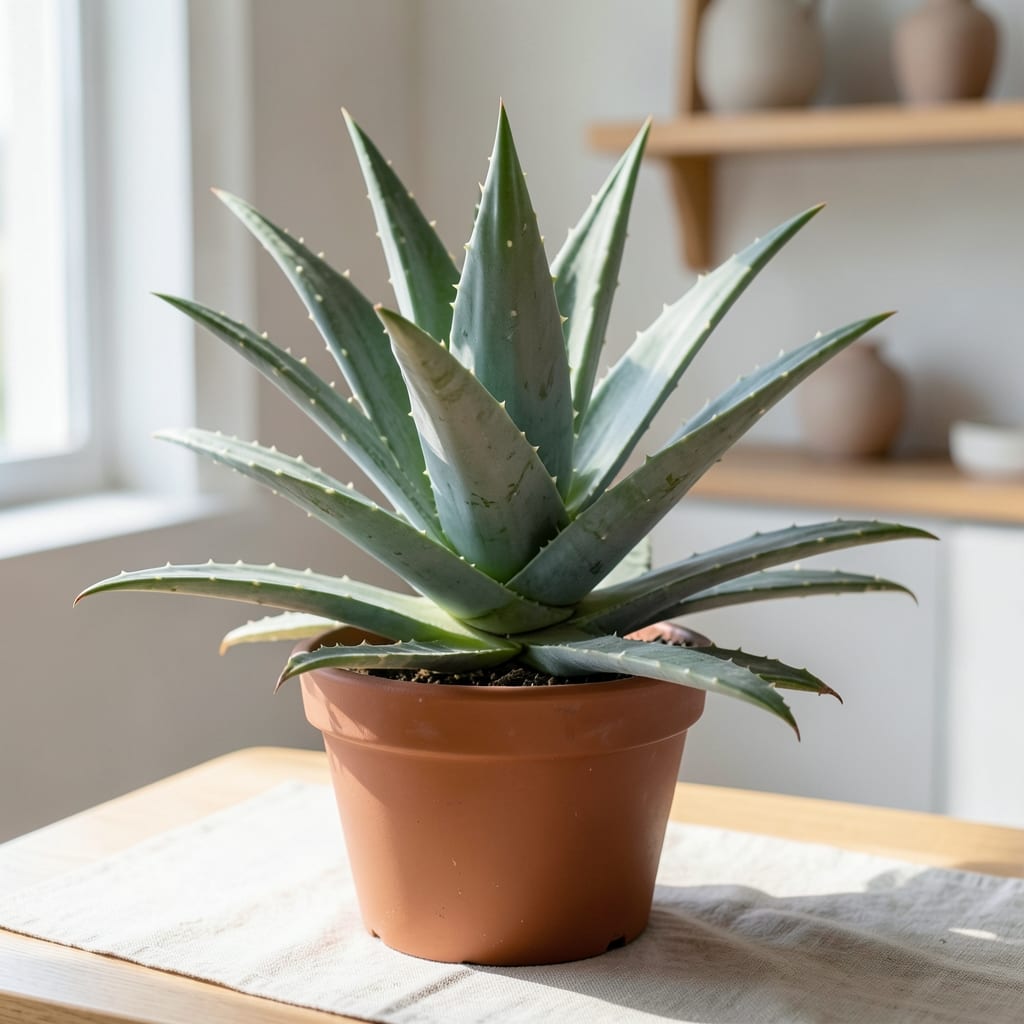
If your aloe plant 🌱 is struggling to thrive, chances are it’s not getting the right amount of light—and that’s a game-changer for its health. Too little sunlight leaves it weak and leggy, while too much can scorch its leaves, leaving you scratching your head over why it’s not bouncing back.
Most aloe plants crave bright, direct light for at least 6 hours a day, whether you’re growing them indoors near a south-facing window or outdoors in your garden. But here’s the catch: they hate harsh afternoon sun in hot climates, which can turn their leaves crispy in no time.
I’ve seen firsthand how a little light adjustment can transform a struggling aloe into a lush, vibrant plant. In this guide, I’ll break down exactly how much light your aloe needs, how to spot signs of trouble, and the best ways to optimize its growing conditions—whether you’re dealing with a dim apartment or a sunny patio.
Ready to give your aloe the perfect light setup? Let’s dive into the sunlight rules that’ll have your plant thriving in no time.
 Best Window Placement
Ideal sunlight requirements for aloe vera growth
Aloe plants thrive under bright, direct sunlight for at least 6 hours daily. This succulent is a sun lover, but finding the perfect balance is key—too little light weakens growth, while too much can scorch those beautiful leaves. In their natural habitat, aloe plants grow in arid regions where they bask under the intense African sun. Recreating these conditions at home ensures your plant stays healthy and vibrant.
For optimal growth, aim for full sun exposure between 8 AM and 6 PM. If your aloe is outdoors, place it in a spot where it receives unfiltered sunlight for most of the day. South-facing windows or outdoor locations with minimal shade are ideal. Even in cooler months, aloe plants prefer bright light, though they can tolerate slightly reduced sunlight during winter when daylight hours shrink.
🌱
| Light Condition | Daily Duration | Growth Impact | Best For |
|---|---|---|---|
| Full Sun (Direct) | 6+ hours | Vigorous growth, thick leaves | Outdoor pots, south windows |
| Bright Indirect | 4-6 hours | Slower growth, thinner leaves | East/west windows, filtered light |
| Low Light | <2 hours | Leggy growth, weak stems | North windows, shaded corners |
If you're growing aloe indoors, a south-facing window is your best bet for replicating full sun. These windows receive the most intense light throughout the day. Place your aloe as close to the window as possible—even just a few feet away can reduce light intensity significantly. For aloe plants in east or west-facing windows, they’ll still get enough light, but you may need to rotate the pot every few weeks to ensure even growth.
Outdoor aloe plants should be moved gradually to avoid sunburn. If your plant has been indoors or in low light, introduce it to full sun over 1-2 weeks. Start with 2-3 hours of direct sun daily and gradually increase exposure. This acclimation period helps prevent sudden shock, which can cause brown or crispy leaf tips—a common sign of too much sun too soon.
Seasonal adjustments are also crucial. During summer months, aloe plants can handle intense midday sun, especially in hot climates. However, in winter, when sunlight is weaker, supplement with a grow light if natural light drops below 4 hours daily. LED grow lights designed for succulents are a great solution for indoor setups.
Watch for signs of under-exposure, like stretched or pale leaves, which indicate your aloe isn’t getting enough light. Conversely, brown or white patches on leaves signal sunburn from too much direct sun. Balancing these cues ensures your aloe stays lush and healthy year-round.
🌿
How to adjust light for indoor vs outdoor aloe plants
Aloe plants are incredibly adaptable, but their light needs shift dramatically between indoor and outdoor settings. In my experience, mastering this balance is key to keeping your aloe thriving year-round. Indoor aloe plants often struggle with low light intensity, while outdoor plants can suffer from intense midday sun without proper care. Let’s break down how to optimize light for both environments.
For indoor aloe plants, the biggest challenge is replicating natural sunlight. Most homes simply don’t have enough bright light to satisfy their 6+ hour daily requirement. That’s why I always recommend placing them near south-facing windows, where they’ll receive the most consistent light. If your home lacks natural light, grow lights become a game-changer—especially LED full-spectrum bulbs that mimic sunlight.
When transitioning aloe from indoor to outdoor, I always do it gradually. Start with 2-3 hours of morning sun per day, then slowly increase exposure over 1-2 weeks. This hardens the plant and prevents sunburn. In my garden, I’ve noticed that outdoor aloe plants grow 20-30% faster than their indoor counterparts when given the right conditions.
For outdoor aloe plants, the goal is to provide bright, indirect light during peak hours. In my Zone 6a climate, I place potted aloe in partial shade from 11 AM to 3 PM during summer months. If your aloe is in the ground, mulch around the base to insulate roots and retain moisture—especially important in full-sun exposures.
One common mistake I’ve seen is assuming all sunlight is equal. Intense afternoon sun (especially in summer) can burn aloe leaves, leaving white or brown patches. To fix this, I use lightweight shade cloth (30-50% coverage) or move pots to dappled shade areas under trees. Even a simple white umbrella can save your plant from heat stress.
Remember, aloe plants are succulents, meaning they store water in their leaves. This makes them surprisingly resilient, but it also means they don’t need as much light as you’d think. Even 4-6 hours of bright light daily can keep them happy indoors, while outdoors, they’ll thrive with 6+ hours of filtered sun. The key is observing your plant’s growth patterns—if it’s stretching toward light, it needs more; if leaves turn yellow or crispy, it’s getting too much.