
Planting
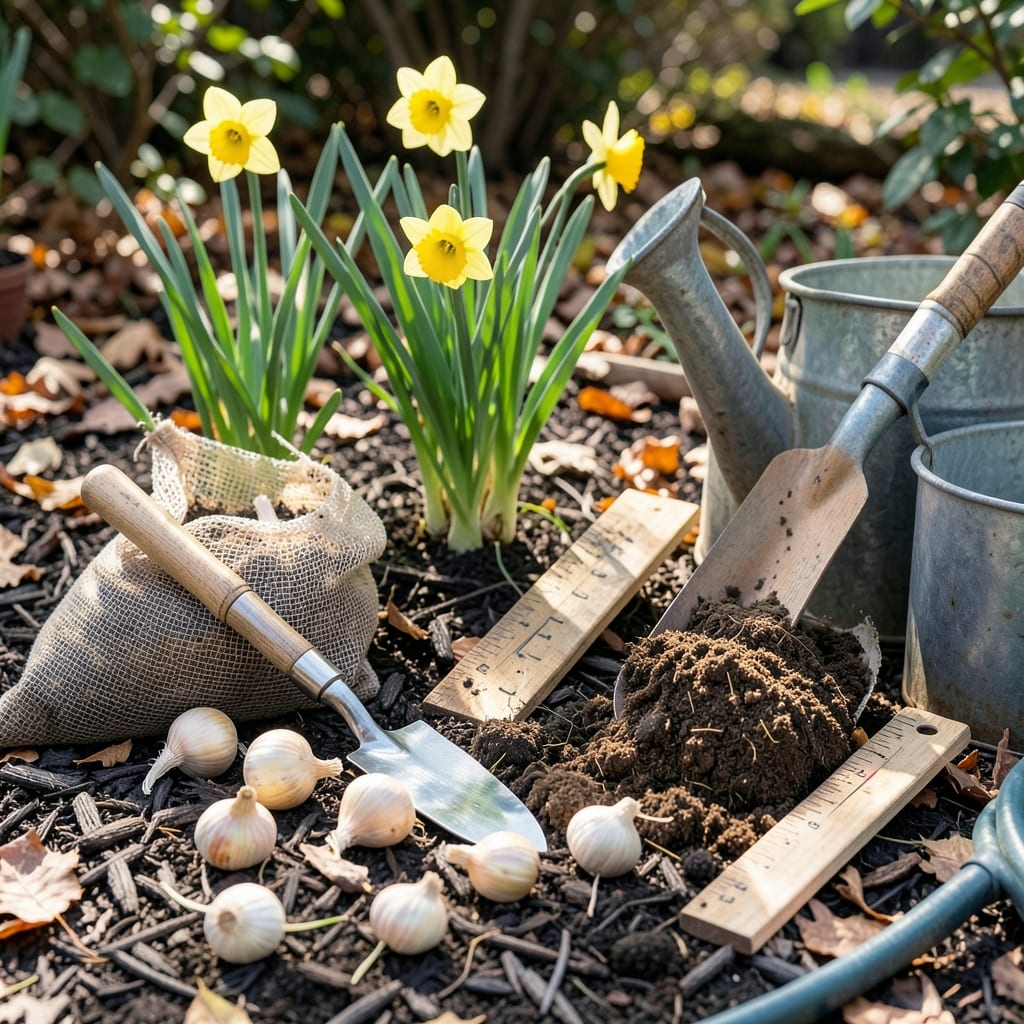
Planting daffodil bulbs in the fall is your golden ticket to a burst of cheerful color next spring—but get the timing wrong, and you might end up with flops instead of flowers. The key? Understanding your zone and soil conditions to give those bulbs the perfect chill they need before winter sets in.
In USDA Zone 6a, like many northern regions, the ideal window stretches from October to November, but the exact dates depend on when your first frost hits. Too early, and the bulbs won’t root properly; too late, and they’ll rot before winter. I’ll show you how to nail that 6-week pre-frost rule for foolproof results.
Beyond timing, soil prep and depth play a huge role. We’re talking 6-8 inches deep and well-draining soil—no soggy surprises here. And if you’re growing early or late bloomers, the window shifts slightly. Let’s break it down so your 🌼 daffodils thrive next spring.
Ready to avoid common mistakes like planting too late or skipping soil prep? I’ll walk you through every step, from zone-specific dates to the best bulb placement tricks. Let’s get those daffodils in the ground right—so you can enjoy their bright faces come April!
Optimal fall planting window for daffodil bulbs by USDA Zone
Timing is everything when planting daffodil bulbs in the fall—get it right, and you’ll enjoy vibrant spring blooms. Get it wrong, and you might end up with weak growth or no flowers at all. The key is planting 6-8 weeks before the ground freezes, allowing bulbs to root before winter dormancy. This ensures they’ll bloom beautifully next spring.
Daffodils are chill-hardy, meaning they need a period of cold to trigger flowering. Soil temperatures between 40-50°F are ideal for root development. If you plant too early, bulbs may sprout and get damaged by frost. Plant too late, and they won’t establish roots before winter, leading to poor blooms.
Your USDA Zone determines the exact planting window. For example, gardeners in Zone 3 (like Minnesota or northern New York) should plant in September to early October, while those in Zone 10 (like Southern California) can plant as late as December. Let’s break it down by zone to find your perfect window.
| USDA Zone | Ideal Planting Month | Soil Temp Goal (°F) | Notes |
|---|---|---|---|
| 3-4 | September | 40-50°F | Plant early to avoid early frost. |
| 5-6 | October | 45-55°F | Best window for most gardeners. |
| 7-8 | td style="padding: 10px; border: 1px solid #5A7D3A; text-align: center;">Late October to November50-60°F | Can plant slightly later due to milder winters. | |
| 9-10 | November to December | 55-65°F | Plant as late as possible before frost. |
If you’re unsure about your last frost date, check with your local Cooperative Extension Service or use a frost calendar app. For example, in Zone 6a (like St. Louis or Denver), aim to plant by mid-October. In Zone 8 (like Atlanta or Los Angeles), you can plant through December.
Pro tip: If your soil is still warm (above 60°F), wait a few weeks to plant. You can also chill bulbs in the fridge for 4-6 weeks before planting if you’re in a warm zone and need to delay planting. This mimics the natural cold period daffodils need to bloom.
Once you’ve picked your planting window, focus on soil preparation. Daffodils thrive in well-draining soil with a pH between 6.0-7.0. Mix in compost or aged manure to improve fertility and drainage. Avoid heavy clay soils, which can cause bulbs to rot.
After planting, water deeply to settle the soil and encourage root growth. Mulch with 2-3 inches of straw or shredded leaves to insulate bulbs during winter and retain moisture. This is especially important in Zone 3-5, where winters are harsh.
Remember, daffodils are perennial, meaning they’ll come back year after year if planted correctly. With the right timing and care, you’ll enjoy cheerful spring blooms for decades to come—no replanting needed!
5 Critical factors that determine perfect fall planting timing
Planting daffodil bulbs at the wrong time can mean the difference between vibrant spring blooms and wasted effort. The 5 critical factors below will help you nail the timing for your USDA zone and local climate. Paying attention to these ensures your bulbs establish roots before winter dormancy.
First, soil temperature is the #1 factor. Daffodil bulbs need 40–50°F soil to start root growth. If you plant too early when soil is still warm, roots won’t develop properly. Use a soil thermometer to check—this is especially key in warmer zones (7–10) where fall stays mild.
Next, frost timing dictates your planting window. Aim to plant 4–6 weeks before your first hard frost. This gives bulbs time to root but avoids exposing them to freezing ground. For example, in Zone 5, that’s usually mid-October, while in Zone 8, it stretches to early December.
⚠️ Critical Factor: Bulb Depth & Moisture
Sunlight exposure also plays a role. Daffodils thrive in full sun (6+ hours daily), but if your planting site gets less than 4 hours, bulbs may produce fewer flowers. Choose a spot with south-facing exposure for the best results, especially in northern climates where winter sun is limited.
Finally, bulb quality matters. Use firm, disease-free bulbs from reputable suppliers. Soft or sprouting bulbs won’t survive the winter. Store them in a cool, dry place (40–50°F) until planting day to maintain vigor.
By mastering these 5 factors, you’ll ensure your daffodils bloom beautifully next spring—no guesswork required! 🌼