
Size
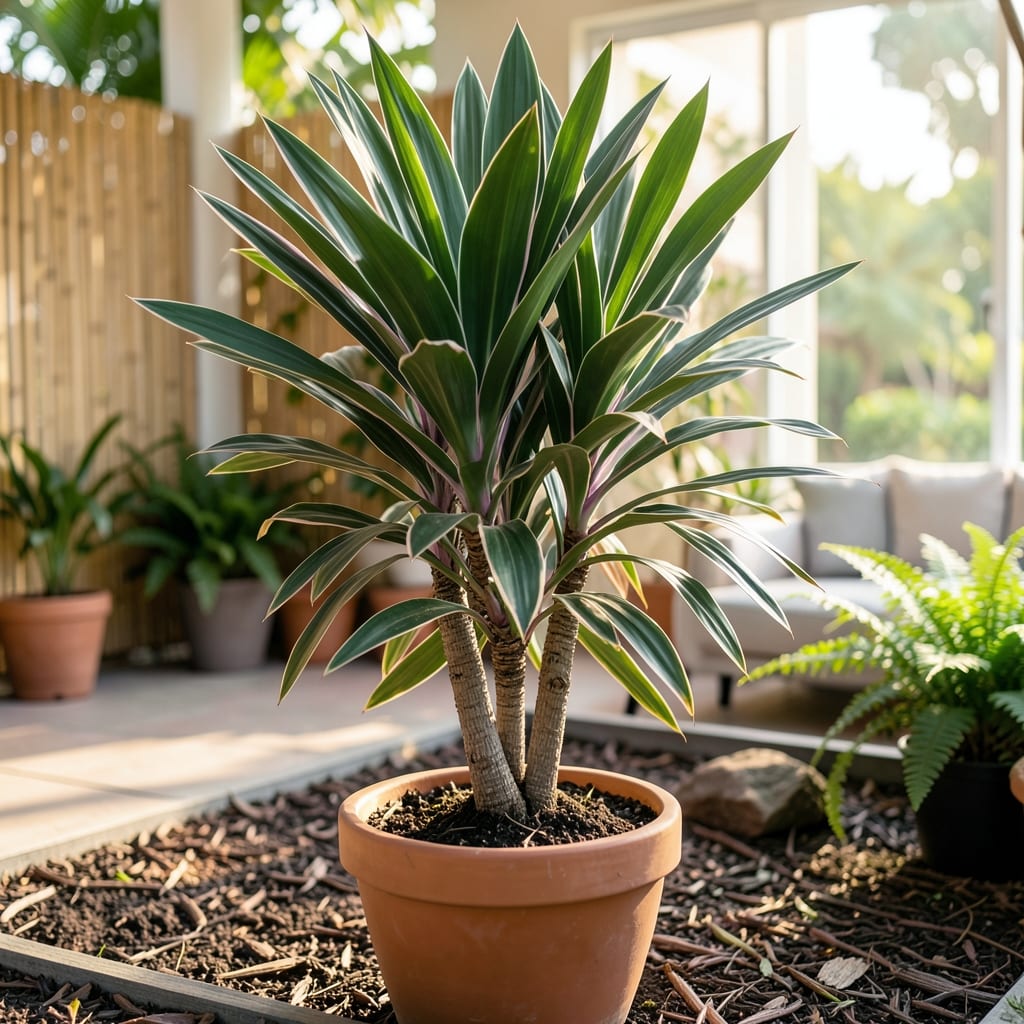
If you're wondering how tall do they grow in Cordyline 🌿 plants, the answer might surprise you—some varieties stretch toward the sky like tropical sentinels, while others stay compact enough for containers. Whether you're planning a backyard oasis or a patio display, understanding their potential height is key to choosing the right spot (and avoiding that "oops, it's too big now" moment).
The truth is, Cordyline height varies wildly depending on the variety—think 3 feet for dwarf types versus 20 feet for towering giants like Cordyline australis. But it’s not just about the plant; sunlight, soil, and even your pruning habits play a huge role in how tall (or contained) your Cordyline stays. Let’s break down the facts so you can pick the perfect fit for your space.
For example, Cordyline fruticosa—the classic ti plant—typically reaches 6 to 10 feet at maturity, making it a statement piece in gardens. Meanwhile, smaller cultivars like 'Baby Blue' stay under 3 feet, ideal for balconies or mixed planters. The key? Knowing how each type grows will help you space them properly and keep them from outgrowing their welcome.
Ready to make your Cordyline dreams a reality? We’ll cover everything from sunlight needs to pruning tips so you can enjoy their dramatic foliage—without the drama of overgrowth. Let’s get started!


Cordyline plant height by variety: from compact to towering giants
Cordyline plants are famous for their striking foliage and dramatic heights, but not all varieties reach the same towering glory. The height range varies dramatically—from compact 3-foot shrubs to 20-foot tropical giants. Choosing the right variety ensures your garden fits your vision, whether you want a patio statement or a background accent. Let’s explore the most popular types and their mature sizes.
First, consider Cordyline fruticosa, the classic tiki torch plant, which typically grows 6 to 12 feet tall in ideal conditions. This variety is a staple in tropical landscapes and thrives in USDA Zones 9-11. If you’re in cooler climates, opt for Cordyline australis, also called the cabbage palm, which maxes out around 10 feet but handles Zone 7 with proper winter protection.
Dwarf varieties like Cordyline 'Red Star' or 'Little Kitten' stay between 3 to 5 feet tall, making them perfect for containers, borders, or small gardens. These smaller types grow slowly, reaching maturity in 3 to 5 years, while larger varieties can take 10+ years to reach their full height. Always check the growth rate when selecting a Cordyline for your space.
🌿 Cordyline Varieties & Mature Heights
| Variety | Common Name | Mature Height | Growth Rate | Best For |
|---|---|---|---|---|
| Cordyline fruticosa | Tiki Torch | 6–12 ft | Moderate | Tropical landscapes |
| Cordyline australis | Cabbage Palm | 8–10 ft | Slow | Cooler climates |
| Cordyline stricta | Cabbage Tree | 10–20 ft | Fast | Large gardens |
| Cordyline 'Red Star' | Dwarf Red | 3–5 ft | Slow | Containers, borders |
| Cordyline 'Little Kitten' | Miniature | 2–4 ft | Very slow | Small spaces |
For bold landscaping, Cordyline stricta (Cabbage Tree) is a showstopper, often reaching 15 to 20 feet in tropical climates. This variety grows 3 to 5 feet per year when happy, so it’s ideal for background planting or as a privacy screen. If you love colorful foliage, look for cultivars like 'Firebrand' or 'Ti Pokpok', which add vibrant hues while maintaining 6 to 10 feet of height.
Pro tip: Container growing can stunt height if you choose smaller pots. Use 15-gallon containers for dwarf varieties and 25+ gallons for larger types. Always include drainage holes to prevent root rot, which can stunt growth or kill your plant. Root-bound Cordylines grow slower and may develop yellowing leaves as a stress signal.
If you’re in USDA Zones 6-8, consider Cordyline 'Sunset' or 'Blue Dwarf', which handle cooler temps better than tropical varieties. These stay 4 to 6 feet tall and add year-round interest with their striking foliage. Always check the hardiness zone before planting to avoid winter damage, which can limit mature height or kill the plant entirely.
Remember, height isn’t everything. Even dwarf Cordylines offer lush foliage and texture, while taller varieties provide drama and structure to your garden. Match the variety to your space, climate, and design goals for the best results. With the
How sunlight and spacing affect Cordyline growth height
Sunlight is the secret weapon for controlling how tall your Cordyline grows. Too much direct sun can stretch stems, while too little shade slows growth entirely. Partial shade (4-6 hours of morning sun) is ideal for most varieties, especially in hot climates. Cordyline australis, for example, thrives with filtered light and may only reach 6-8 feet if grown in shade, compared to 10-15 feet in full sun.
Spacing plays a critical role too. Overcrowded plants compete for nutrients, leading to stunted growth and leggy stems. Standard varieties need 4-6 feet of space between plants, while dwarf types like Cordyline 'Baby Blue' can live happily 2-3 feet apart. Poor spacing isn’t just an aesthetic issue—it invites pests and disease by trapping moisture.
🌿 Pros & Cons of Sunlight & Spacing
Pros: Faster growth, vibrant foliage
Cons: Risk of sunburn, leggy stems
Pros: Slower, bushier growth
Cons: Slower color development
Pros: Quick ground cover
Cons: Stunted growth, pest risk
Pros: Optimal growth, air circulation
Cons: Slower canopy closure
For container gardening, sunlight control is even more critical. South-facing patios can push Cordyline 'Red Star' to 8 feet tall in 3 years, while north-facing spots may only yield 4-5 feet. Use reflective surfaces (like white walls) to bounce extra light onto your potted plants. Rotate containers every few weeks to ensure even growth.
If you’re growing Cordyline near structures (like fences or walls), watch for height restrictions. Cordyline stricta, for example, can grow 12-15 feet tall but may need annual pruning to stay under power lines or roof overhangs. Prune in late winter to shape growth before the spring flush begins.
Soil quality also influences height. Well-draining, slightly acidic soil (pH 5.5-6.5) helps roots absorb nutrients efficiently, supporting taller growth. Avoid heavy clay, which can suffocate roots and limit your plant’s potential. Amend with compost at planting to give your Cordyline the best start.
Remember: patience is key. Most Cordylines grow 6-12 inches per year under ideal conditions. Monitor growth annually and adjust sunlight or spacing if your plant starts to outgrow its space. With the right balance, you’ll have a stunning, healthy specimen that’s the centerpiece of your garden. 🌳