
How To
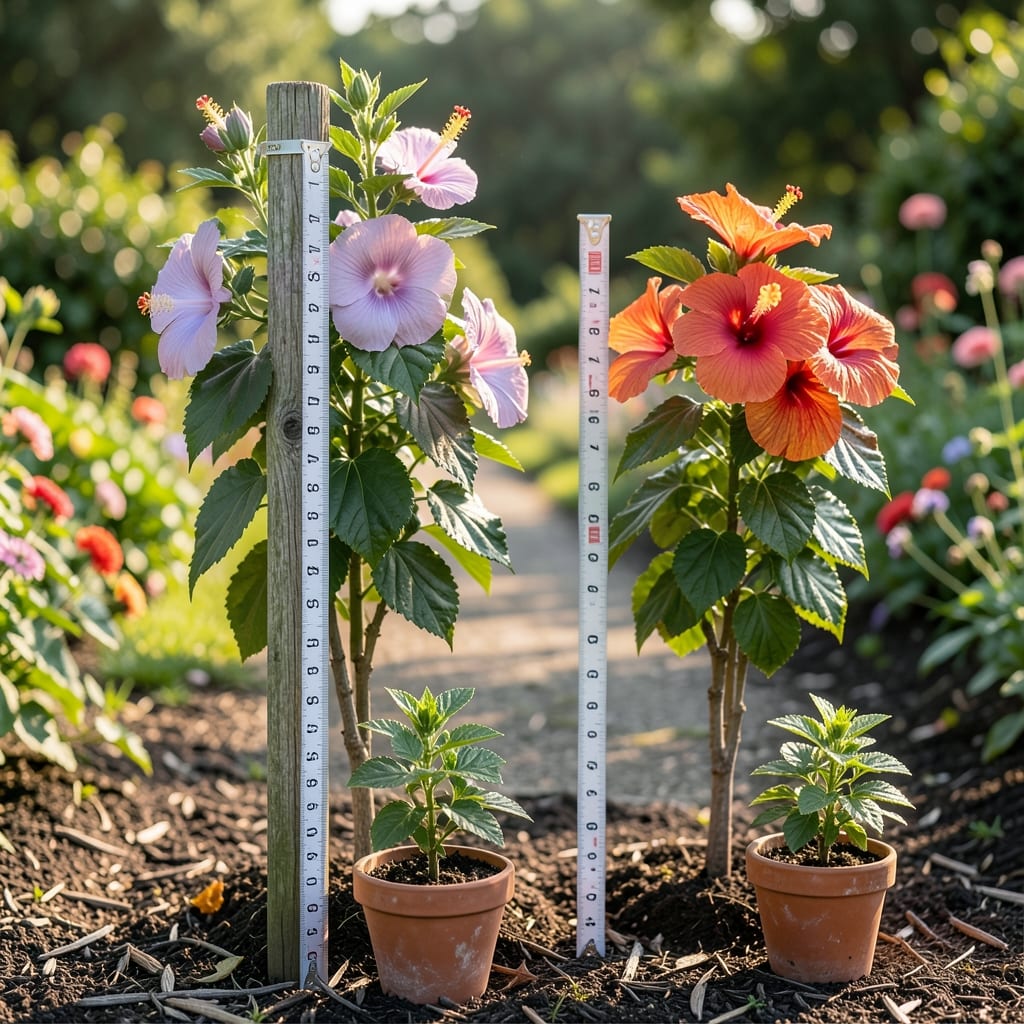
Hibiscus height by variety: growth ranges for common types
When planning your garden, knowing hibiscus height is key to placement and care. These stunning plants come in three main categories: tropical, hardy, and dwarf varieties, each with distinct growth habits. Tropical hibiscus, like the classic Hibiscus rosa-sinensis, often reach 6–10 feet tall in ideal conditions, while hardy hibiscus varieties can grow even taller—up to 12–15 feet—under perfect sunlight and soil conditions.
Dwarf hibiscus varieties, on the other hand, are perfect for containers or small gardens, typically staying between 2–4 feet tall. Understanding these differences helps you choose the right variety for your space, whether you want a privacy screen or a patio centerpiece. Let’s break down the specifics to help you visualize what to expect.
| Variety | Mature Height | Growth Habit | Best For |
|---|---|---|---|
| Tropical Hibiscus (Hibiscus rosa-sinensis) | 6–10 ft | Upright, bushy | Landscapes, borders |
| Hardy Hibiscus (Hibiscus moscheutos) | 8–15 ft | Tall, clumping | Privacy screens, large gardens |
| Dwarf Hibiscus (Hibiscus syriacus 'Diana') | 2–4 ft | Compact, bushy | Containers, patios, small gardens |
| Semi-Dwarf (Hibiscus rosa-sinensis 'Little John') | 4–6 ft | Bushy, rounded | Medium gardens, foundation plants |
If you’re growing Hibiscus rosa-sinensis, expect it to reach 6–10 feet tall in just a few years, especially in USDA zones 9–11 where it thrives year-round. These varieties love full sun and warm climates, which fuels their rapid growth. In cooler zones, they may need winter protection but can still grow tall with proper care.
For hardy hibiscus varieties, such as Hibiscus moscheutos, the height can be even more impressive, often 10–15 feet tall. These plants are perfect for large gardens or as focal points near water features, where their dramatic blooms shine. However, they require well-draining soil and consistent moisture to reach their full potential.
If space is limited, consider dwarf hibiscus like Hibiscus syriacus 'Diana', which stays between 2–4 feet tall. These varieties are ideal for containers, window boxes, or small patios, making them a versatile choice for urban gardeners. They also tolerate cooler temperatures better than tropical varieties, expanding their growing range.
When selecting a hibiscus, think about your garden layout and sunlight exposure. A tall hibiscus near a south-facing wall can create a stunning vertical display, while dwarf varieties add color to balconies or window gardens. Always check the specific variety’s mature height to avoid surprises as your plant grows.
Another factor influencing hibiscus height is pruning. Regular pruning can control growth and encourage bushier habits, which is especially useful for taller varieties in small spaces. I’ll cover pruning techniques in detail in the next section, but for now, remember that early pruning in spring can shape your hibiscus to fit your garden perfectly.
For those in cooler climates (USDA zones 5–8), hardy hibiscus varieties are your best bet. They can survive winter without protection and still grow tall, often reaching 8–12 feet by maturity. These varieties also tend to have longer blooming seasons, adding color to your garden from summer through fall.
No matter which variety you choose, always consider your local climate and garden conditions. Hibiscus plants are adaptable, but they thrive best with adequate sunlight, well-draining soil, and consistent watering. With the right care, you can enjoy their vibrant blooms and lush foliage for years to come.
Hibiscus height by variety: growth ranges for common types
Hibiscus plants vary dramatically in height, from compact dwarf varieties perfect for patio pots to tall tropical giants that reach tree-like proportions. Understanding these differences helps you choose the right type for your space and climate. Let’s explore the most common hibiscus varieties and their mature heights to help you plan your garden layout.
For tropical hibiscus like Hibiscus rosa-sinensis, expect heights between 6–15 feet when grown outdoors in warm climates. These varieties thrive in USDA zones 10–12 and can even grow taller with ideal conditions. In cooler regions, they’re often grown as potted plants or brought indoors during winter, limiting their height to 3–5 feet unless pruned aggressively.
🌸 Hibiscus Height Guide by Variety
| Variety | Mature Height | Growth Habit | Best For |
|---|---|---|---|
| Tropical (H. rosa-sinensis) | 6–15 ft | Upright, bushy | Warm climates, borders |
| Hardy (H. moscheutos) | 4–8 ft | Bushy, spreading | Perennial beds, ponds |
| Dwarf (H. syriacus ‘Diana’) | 2–4 ft | Compact, rounded | Containers, small gardens |
| Swamp (H. coccineus) | 5–10 ft | Tall, upright | Moist soil, privacy screens |
If you’re working with limited space, dwarf varieties like Hibiscus syriacus ‘Diana’ are ideal, topping out at just 2–4 feet. These hardy hibiscus varieties are perfect for containers or small gardens and often bloom prolifically with minimal care. For larger gardens, swamp hibiscus (Hibiscus coccineus) can reach 5–10 feet, making them excellent choices for creating natural privacy screens or adding drama to pond edges.
Climate plays a critical role in determining hibiscus height. In USDA zones 8–10, tropical hibiscus can grow unchecked, while in cooler zones (5–7), even hardy varieties may stay shorter unless protected. Always check your specific variety’s cold hardiness to avoid disappointment—some tropical types won’t survive winter outdoors at all.
For container gardening, choose dwarf or semi-dwarf varieties to avoid overcrowding. A 5-gallon pot can comfortably support a 3–4 foot hibiscus, while larger containers (15+ gallons) may accommodate semi-dwarf types up to 6 feet tall. Just ensure your pot has drainage holes and use a well-draining potting mix to prevent root rot.
Pro tip: If you love the look of tall hibiscus but lack space, consider training them as espalier or growing them against a trellis. This technique lets you enjoy their stunning blooms while keeping their footprint small—perfect for urban gardens or small yards.