
How To
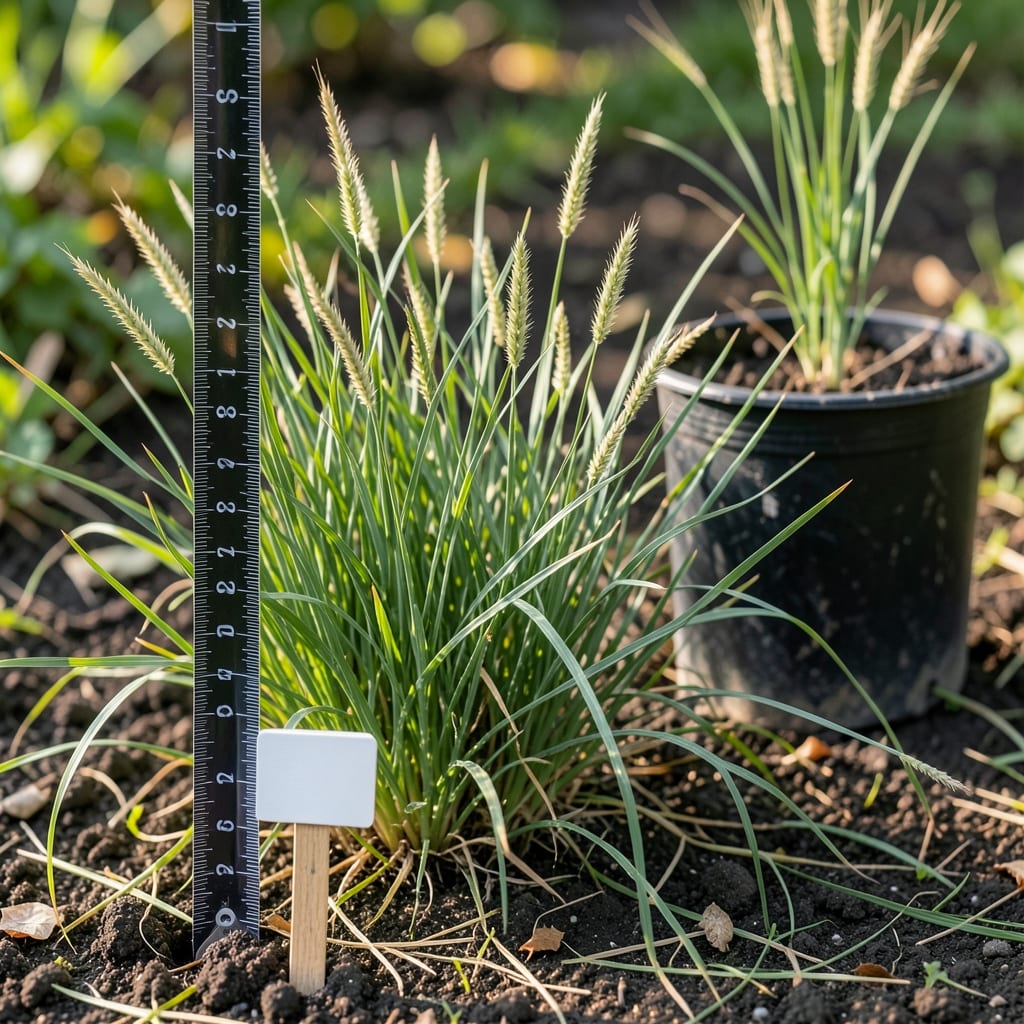
Wondering how fast does tall fescue grow after you plant those seeds? The answer might surprise you—this resilient grass can go from tiny sprouts to a lush lawn in just 3-4 weeks under ideal conditions, but timing and care make all the difference.
If you're planning your lawn for USDA Zone 6a, late summer to early fall (August-September) is the sweet spot for planting. Tall fescue 🌱 thrives in cooler weather, so cooler temperatures actually speed up germination compared to scorching summer heat. But don’t expect instant results—full establishment takes about 60-90 days, depending on soil and watering.
What really accelerates growth? Well-drained soil rich in organic matter and consistent moisture. Skip the guesswork: we’ll break down exactly what to do to get your grass growing faster, from seeding depth to watering schedules. Ready to transform your yard?
Whether you're a first-time gardener or a seasoned landscaper, knowing these growth timelines helps you plan mowing, fertilizing, and maintenance like a pro. Let’s dive into the details so you can enjoy that green carpet sooner than you think!

Tall fescue growth speed by season: what to expect each month
Tall fescue is a cool-season grass known for its steady growth and drought resistance, but its speed depends heavily on the season and climate. In ideal conditions, you can expect visible growth within 7-14 days after germination, with full establishment taking 3-4 months. Understanding these seasonal patterns helps you plan when to plant, mow, and fertilize for the best results.
Spring and fall are the optimal growth periods for tall fescue because temperatures are mild, and moisture levels are consistent. During these seasons, you’ll see 1-2 inches of growth per week under ideal conditions. Summer growth slows due to heat stress, while winter growth nearly stops in colder regions.
Here’s how tall fescue’s growth speed breaks down by season, including key milestones and care adjustments:
| Season | Growth Speed | Key Milestones | Care Adjustments |
|---|---|---|---|
| Spring (March-May) | 1-2 inches/week | Germination in 7-14 days; full coverage in 3 months | Light fertilization after germination |
| Summer (June-August) | 0.5-1 inch/week | Slower growth; drought stress possible | Deep watering 2-3x/week |
| Fall (September-November) | 1-2 inches/week | Rapid root growth; ideal for overseeding | Apply fall fertilizer for winter prep |
| Winter (December-February) | 0 inches (dormant) | Grass turns brown but stays alive | Minimal watering; no fertilization |
In USDA Zones 5-8, tall fescue typically germinates fastest in spring and fall when soil temperatures hover between 60-75°F. If you plant in late summer (August-September), you’ll still see good germination as long as nighttime temperatures stay above 50°F. Avoid planting in extreme heat or frost, as these conditions slow or halt growth entirely.
For faster growth, focus on consistent moisture and proper mowing height. Keep your lawn mowed at 2.5-3.5 inches to encourage deeper root systems and denser growth. Over-mowing or cutting too short stresses the grass and slows its development.
Regional differences also play a role. In warmer southern climates, tall fescue may grow more slowly in summer due to heat stress, while in cooler northern regions, winter dormancy can extend growth periods. Always adjust your care routine based on your local climate and microclimate conditions.
If you’re overseeding an existing lawn, expect to see new shoots within 2-3 weeks in spring or fall. By 6-8 weeks, the new grass should be well-established enough to handle light foot traffic. Patience is key—rushing fertilization or mowing too soon can set back your lawn’s progress.
To maximize growth speed, test your soil’s pH and nutrient levels before planting. Tall fescue thrives in slightly acidic soil (pH 6.0-7.0) with adequate nitrogen, phosphorus, and potassium. Amending your soil with compost or a balanced fertilizer can give your tall fescue a growth boost in as little as 2-3 weeks.
🌱
How soil type and conditions accelerate or slow tall fescue growth
Tall fescue thrives when planted in the right conditions, but soil type and environmental factors can dramatically alter its growth speed. If your soil lacks nutrients or drains poorly, your grass may take 2-3 weeks longer to establish compared to ideal conditions. Understanding these variables helps you create the perfect foundation for faster, healthier growth.
One of the biggest factors is soil pH. Tall fescue prefers a slightly acidic to neutral range of 5.5 to 7.0. If your soil is too alkaline (above 7.5), the grass struggles to absorb essential nutrients like nitrogen and phosphorus, slowing growth by up to 30%. Testing your soil before planting is a game-changer—it’s quick and inexpensive!
Organic matter also plays a critical role. Soils rich in compost or well-rotted manure provide the nutrients tall fescue craves, speeding up germination and root development. Aim for at least 3-5% organic matter in your top 6 inches of soil. Without it, your grass may grow patchy or take longer to fill in bare spots.
🌱
⚠️ Pros & Cons of Soil Conditions for Tall Fescue Growth
pH 5.5-7.0
3-5% organic matter
Well-draining
Faster germination
1 inch/week
Consistent watering
Deep root growth
Reduces stress
pH <5.5 or >7.5
Compacted or clay-heavy
Slow germination
Patchy growth
Fungal risk
Shallow roots
Weak growth
Increased weeds
Watering is another critical factor. Tall fescue needs consistent moisture during germination, but overwatering can suffocate seeds or cause disease. Aim for 1 inch of water per week, delivered in the morning to reduce evaporation. If your soil drains poorly, consider amending it with sand or perlite to improve aeration and root penetration.
Temperature also influences growth speed. In cool seasons (spring/fall), tall fescue grows most actively, with germination taking 7-14 days under ideal conditions. However, in hot summers (above 85°F), growth slows as the grass enters dormancy. Shade can also delay establishment, so prioritize full sun exposure for faster results.
To boost growth, I recommend a pre-planting soil test and amending with compost or a balanced fertilizer (like 10-10-10). This ensures your tall fescue gets the nutrients it needs from day one. With the right conditions, you’ll see full coverage in 6-8 weeks—cutting your wait time in half compared to suboptimal soil!
Finally, avoid compacted soil, which restricts root growth and slows establishment. Aerate your lawn before planting to create space for roots to expand. This simple step can make a world of difference in how quickly your tall fescue fills in bare spots.