
How To
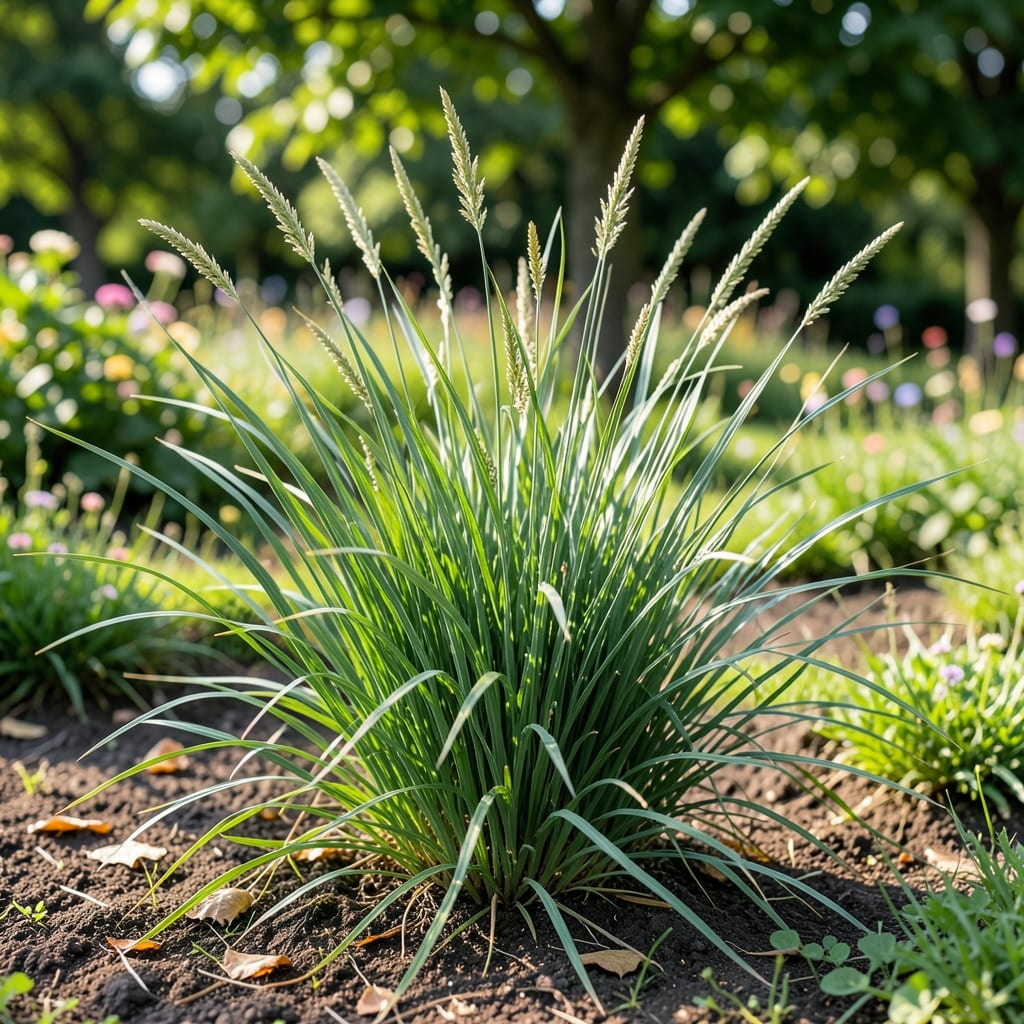
Wondering how long does tall fescue take to grow into that lush, green lawn you’ve been dreaming of? If you’ve planted this durable grass 🌾 expecting quick results, you might be surprised by the timeline—but understanding it is the key to patience and success.
The good news is that tall fescue germinates faster than many other grass types, typically sprouting within 5-14 days under ideal conditions. However, reaching full maturity and establishing a strong root system can take anywhere from 6 months to a year, depending on factors like soil quality and climate.
This grass thrives in USDA Zone 6a and loves the late summer to early fall planting window, which gives it time to root before winter. But don’t worry—once established, it’s one of the fastest-growing cool-season grasses, offering resilience and beauty for years to come.
Ready to learn how to speed up the process? I’ll break down the exact timeline, from germination to full lawn readiness, so you can set realistic expectations and get your tall fescue looking its best faster.

Tall fescue germination timeline: weeks to full establishment explained
Tall fescue grass is a popular choice for lawns because of its durability and drought resistance, but its growth timeline can feel slow if you're not prepared. Unlike fast-sprouting annuals, tall fescue takes time to establish a deep root system and dense coverage. Understanding each stage—from germination to full maturity—helps you set realistic expectations and adjust your care routine accordingly.
When you plant tall fescue seeds, the first signs of life typically appear within 5 to 14 days, depending on soil temperature and moisture. This initial phase is called germination, where the seed breaks through the soil surface. However, don’t expect a lush lawn yet—this is just the beginning of a 6 to 12-month process to reach full establishment.
The next phase, sprouting and early growth, takes about 2 to 4 weeks. During this time, you’ll see delicate blades of grass emerge, but they’ll be thin and vulnerable. This is when consistent watering and sunlight become critical to prevent drying out or being outcompeted by weeds. Think of this stage as the foundation phase—what happens now sets the stage for long-term success.
| Stage | Timeframe | Key Actions | What to Expect |
|---|---|---|---|
| Germination | 5–14 days | Keep soil moist, maintain 60–75°F soil temp | Seeds sprout; thin blades appear |
| Sprouting | 2–4 weeks | Water deeply 2x/week, avoid foot traffic | Grass reaches 1–2 inches tall; vulnerable to drought |
| Root Establishment | 4–8 weeks | Reduce watering to 1x/week, apply light fertilizer | Grass thickens; roots grow 3–6 inches deep |
| Full Maturity | 6–12 months | Mow at 3–4 inches, fertilize seasonally | Dense, 1–2 feet tall turf; drought-resistant |
One common misconception is that tall fescue grows quickly like annual ryegrass, which can sprout in just 7–10 days. However, tall fescue prioritizes deep root growth over rapid top growth, which is why it takes longer to see a fully established lawn. By 6 months, you’ll notice significant improvement, but the grass may not reach its full density and height until the second year.
If you’re eager to speed up the process, focus on soil preparation before planting. Tall fescue thrives in well-draining soil with a pH of 6.0–7.5. Amending clay or sandy soil with compost can create the ideal environment for faster germination. Additionally, planting in late summer or early fall (when temperatures are cooler) often results in quicker establishment compared to spring planting.
Another factor that influences growth speed is seed quality. High-quality tall fescue seeds with a high germination rate (90%+) will sprout faster and more uniformly than older or low-grade seeds. Always check the seed packet for germination percentages and choose reputable brands known for consistency. Investing in quality seeds upfront can save you time and frustration down the road.
During the first 30 days, avoid walking on your new lawn to prevent damaging the delicate sprouts. Instead, use a lightweight rake to spread seeds evenly if needed. Once the grass reaches 3–4 inches tall, you can begin mowing—but never cut more than one-third of the blade height at a time. This practice encourages thicker growth and prevents stress on the young plants.
By 12 months, your tall fescue lawn should be fully established, with a dense, green carpet that resists weeds and drought. Patience is key, but with the right care—consistent watering, proper fertilization, and attentive maintenance—you’ll be rewarded with a low-maintenance, resilient lawn that lasts for years. The initial wait is worth it for the long-term benefits!
If you’re still seeing bare spots after 6 months, consider overseeding or addressing underlying issues like soil compaction or poor drainage. With tall fescue, slow and steady wins the race to a beautiful lawn. 🌱
5 Key factors that speed up or delay tall fescue growth
Understanding the growth factors for tall fescue helps you create ideal conditions. Soil temperature is critical—seeds germinate best between 60-75°F. Planting in cooler months like late summer (August-September) gives seeds time to establish before winter. If temperatures drop below 50°F, germination slows dramatically.
Moisture levels play a huge role in early growth. Keep soil consistently moist but not soggy during the first 4-6 weeks. Overwatering can suffocate seeds, while underwatering causes them to dry out. A light misting daily in hot weather ensures steady hydration without runoff.
Seed depth matters too—planting too deep (over ¼ inch) delays sprouting, while shallow planting risks drying out. Use a seed spreader for even coverage, then lightly rake soil to ensure seeds make contact with moist earth. For best results, aim for a 1/4-inch depth in well-prepared soil.
- 🌡️ Soil Temperature: Ideal range is 60-75°F for fastest germination. Avoid planting when soil is below 50°F.
- 💧 Moisture Levels: Keep soil consistently damp for 4-6 weeks. Overwatering can suffocate seeds.
- 🌱 Seed Depth: Plant 1/4-inch deep—too deep delays sprouting, too shallow risks drying.
- ☀️ Sunlight Exposure: 6+ hours of direct sun daily speeds up growth. Shade slows establishment.
- 🌿 Fertilizer Timing: Apply balanced fertilizer (10-10-10) 4-6 weeks after sprouting, not before.
Sunlight exposure directly impacts growth speed. Tall fescue thrives in full sun (6+ hours daily), but even partial shade slows establishment. If your lawn has tree shade, consider planting in spring when sunlight is stronger. A south-facing area gets the most consistent sun exposure.
Finally, fertilizer timing can make or break your lawn’s health. Avoid fertilizing before germination—it can burn tender seedlings. Instead, wait 4-6 weeks after sprouting, then apply a balanced 10-10-10 fertilizer in early morning. This gives roots time to establish before encouraging top growth.
By focusing on these five key factors, you’ll see faster germination and a thicker, healthier lawn in just a few months. Adjust care based on your local climate and soil conditions for best results. 🌾