
How To
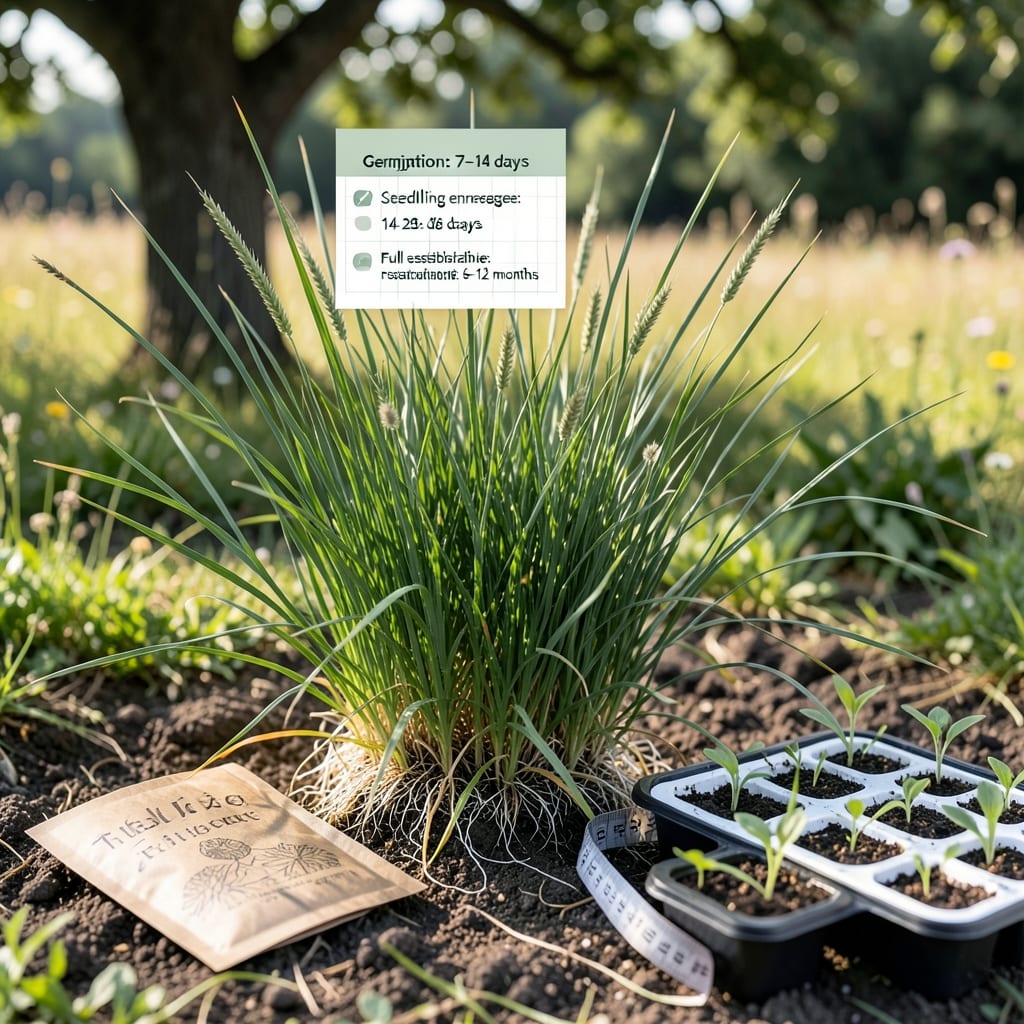
If you're planting tall fescue 🌱 and wondering how long it takes to grow into that thick, green lawn you dream of, the answer depends on more than just time—it’s about seasons, soil, and a little patience. This cool-season grass thrives in USDA Zone 6a, but even in ideal conditions, it won’t happen overnight.
The real magic starts 4-6 weeks after seeding, when those tiny sprouts break through the soil. By 3-4 months, you’ll see significant coverage, but full establishment—where the roots run deep and the lawn looks lush—can take up to 6 months or longer. Planting in early spring or fall gives you the best shot at faster results.
But here’s the thing: rushing the process can backfire. Overwatering, skipping soil prep, or cutting too soon can set you back weeks. The key is consistency—watering deeply, fertilizing at the right times, and letting that grass grow strong before mowing. Think of it as an investment in a lawn that’ll outlast the summer heat.
Ready to turn those seeds into a durable, low-maintenance lawn? I’ll walk you through the exact timeline, seasonal tweaks, and pro tips to get your tall fescue off to the fastest, healthiest start possible. Let’s make it happen.

Tall fescue growth timeline: seed to full coverage by season
If you're planting tall fescue seeds, understanding the growth timeline helps you set realistic expectations. From germination to full coverage, the process typically takes 3-6 months, but seasonal conditions and care practices can accelerate or delay it. Spring and fall are the ideal planting windows, with cooler temperatures and consistent moisture speeding up establishment.
For spring planting (March-April), germination usually occurs within 7-14 days if soil temperatures stay above 50°F. By 6-8 weeks, you’ll see noticeable growth, and full coverage (70-80% density) typically happens in 3-4 months. In contrast, fall planting (August-September) may take slightly longer—8-10 weeks for germination—due to cooling temperatures, but the grass establishes stronger roots before winter.
Regional climate plays a huge role. In warmer southern zones (7-10), tall fescue may germinate faster (5-10 days) but struggles with summer heat if not watered properly. In cooler northern zones (4-6), germination can stretch to 14-21 days, but the grass thrives once established. Always check your USDA hardiness zone for localized adjustments.
Here’s a quick breakdown of the growth stages and what to expect month by month:
| Stage | Spring Planting Timeline | Fall Planting Timeline | Key Care Tip |
|---|---|---|---|
| Germination | 7-14 days | 10-21 days | Keep soil consistently moist (not soggy). |
| Sprouting | 3-4 weeks | 4-6 weeks | Apply light fertilizer (10-10-10) after sprouts appear. |
| Establishment | 6-8 weeks | 8-10 weeks | Mow when grass reaches 3-4 inches (never remove >1/3 of height). |
| Full Coverage | 3-4 months | 4-5 months | Reduce watering to deep, infrequent soaks to encourage deep roots. |
| Mature Height | 12-24 inches | 12-24 inches | Maintain mowing height at 2.5-3.5 inches for shade and drought tolerance. |
If you’re planting tall fescue sod instead of seeds, the timeline is much faster. Sod establishes in 2-4 weeks because the grass is already mature, but it still requires consistent watering (1 inch per week) for the first month to encourage root growth. Sod also provides immediate coverage, making it ideal for projects where you need a lawn quickly.
One common misconception is that tall fescue grows faster in hot summer months. However, temperatures above 85°F can slow growth and cause stress. If you plant in summer, opt for shade cloth or mulch to protect seeds until cooler weather arrives. Similarly, planting in late fall (October-November) risks frost damage before roots establish.
To track progress, mark a 1-foot square of your lawn and monitor growth weekly. Aim for 70% coverage by the end of the first season—this indicates successful establishment. If patches remain thin, consider overseeding in early spring or late summer for denser coverage.
Remember, tall fescue is a cool-season grass, meaning it grows best when temperatures are between 60°F and 75°F. Outside this range, growth slows significantly. With the right care, your lawn will reach full maturity in 1-2 years, offering year-round greenery with minimal maintenance.
How to speed up tall fescue growth: 5 pro tips for faster establishment
Tall fescue is a resilient grass, but even the hardiest varieties need the right conditions to reach full coverage quickly. If you're eager to see that thick, green lawn sooner, focus on these five key strategies that accelerate growth without compromising long-term health. The secret lies in mimicking ideal natural growing conditions while avoiding common pitfalls.
First, soil preparation is non-negotiable. Tall fescue thrives in well-draining soil with a pH between 6.0 and 7.5. Test your soil before planting—amending with compost or lime can cut weeks off your establishment timeline by ensuring roots access nutrients immediately. A 1-inch layer of compost mixed into the top 6 inches of soil works wonders for seedling vigor.
Next, watering consistency is your growth multiplier. Unlike drought-tolerant grasses, tall fescue needs 1-1.5 inches of water weekly during establishment. Use a rain gauge to track moisture—overwatering suffocates roots, while underwatering stresses seedlings. Watering early morning (before 10 AM) reduces evaporation and fungal risks, giving your lawn a head start every day.
Test soil pH (aim for 6.0-7.5), add compost (1 inch), and till to 6 inches deep for optimal root penetration.
1-1.5 inches weekly; early morning (before 10 AM) to prevent evaporation and disease.
Apply 10-10-10 NPK at planting (light dose) and again 6 weeks later to fuel rapid root/shoot growth.
Wait until grass reaches 3-4 inches tall before first mow; never cut more than 1/3 of blade height.
Plant in early fall (Aug-Sept) for cooler soils and slower moisture loss—ideal for 30% faster establishment.
Don’t overlook fertilization timing. A light application of 10-10-10 NPK fertilizer at planting provides immediate nutrients, while a second dose 6 weeks later boosts root density. Avoid heavy nitrogen early—it promotes leafy growth at the expense of root development, which is critical for long-term resilience.
Finally, mowing height directly impacts growth speed. Wait until your tall fescue reaches 3-4 inches tall before the first mow, and never remove more than one-third of the blade height. This preserves energy for root expansion, which is how your lawn builds a dense network for faster coverage. Use a sharp mower blade to prevent tearing, which invites disease and slows recovery.
With these strategies, you’ll shave 2-4 weeks off the typical 6-8 month establishment timeline. The key is consistency—soil, water, and nutrients must work together like a well-oiled machine. Start with soil prep, then maintain rigorous care for the first 60 days, and you’ll be rewarded with a lush, established lawn by late summer or early fall.