
Light Requirements
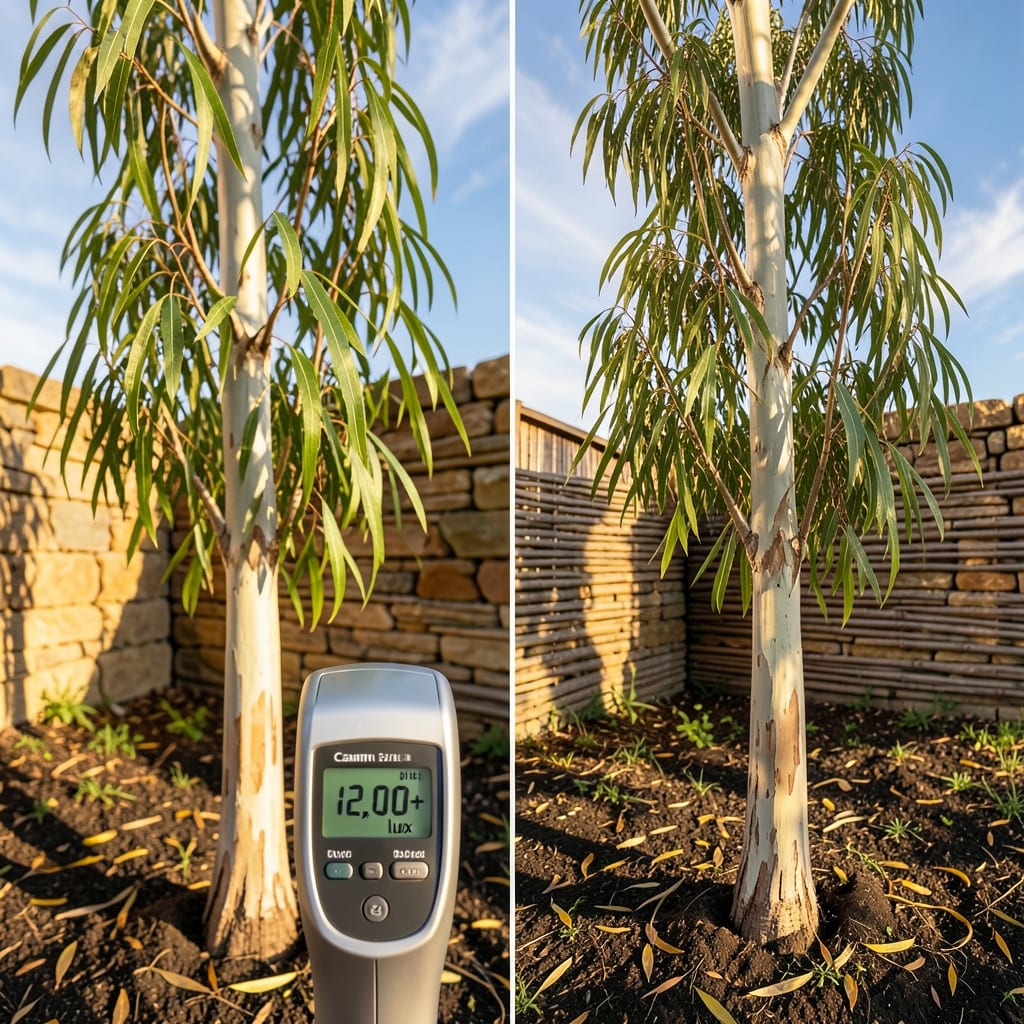
If you’re wondering how much light does a eucalyptus plant need, the answer is simpler than you might think—it’s all about sunlight. Getting the light requirements right isn’t just about survival; it’s the key to unlocking that lush, vibrant growth and signature fragrance your eucalyptus is famous for.
Too little light, and your eucalyptus will stretch out desperately, reaching for any rays it can find. Too much, and those delicate leaves can scorch, leaving your tree looking stressed. The good news? With the right balance, you’ll see faster growth, stronger branches, and healthier foliage that’ll make your garden the envy of the neighborhood.
I’ve helped countless gardeners dial in the perfect light conditions for their eucalyptus, and I’ll share those secrets with you. Whether you’re dealing with a shady backyard or a bright, sunny spot, you’ll learn exactly how to position your eucalyptus for success—no guesswork required.
Let’s dive into the specifics so you can give your eucalyptus the sunlight it craves and watch it flourish in ways you never thought possible.


Eucalyptus light requirements by variety: sun tolerance breakdown
Not all eucalyptus varieties are created equal when it comes to sunlight. While most eucalyptus trees thrive in full sun, some species can tolerate partial shade—especially in hot climates where afternoon sun might be too intense. Understanding your specific variety’s needs is the first step to avoiding those telltale signs of light stress, like yellowing leaves or stunted growth.
For outdoor eucalyptus, aim for at least 6-8 hours of direct sunlight daily. In regions with extreme heat, morning sun paired with afternoon shade can prevent leaf scorch while still meeting their light requirements. The key is observing how your tree responds—healthy eucalyptus will have deep green foliage and a sturdy, upright growth habit.
Indoor eucalyptus, like the popular Eucalyptus gunnii (also called "dwarf eucalyptus"), can adapt to bright indirect light, but they’ll still stretch toward windows if deprived. Place them near a south-facing window or supplement with grow lights to mimic natural sunlight conditions.
Here’s how three common eucalyptus varieties stack up in terms of light needs:
| Variety | Ideal Sunlight | Min. Sunlight | Leaf Color Impact | Growth Rate |
|---|---|---|---|---|
| Eucalyptus gunnii (Dwarf) | Full sun to partial shade | 4-6 hours | Silver-blue turns dull green | Slow to moderate |
| Eucalyptus globulus (Tasmanian Blue Gum) | Full sun only | 6+ hours | Bright green scorch risk | Fast |
| Eucalyptus cinerea (Silver Dollar) | Full sun to partial shade | 5-6 hours | Silver hue fades | Moderate |
| Eucalyptus pauciflora (Snow Gum) | Full sun (cool climates) | 6+ hours | Dark green to yellow | Slow |
*Note: All varieties benefit from morning sun in hot climates to prevent leaf burn.
If you’re growing eucalyptus in containers, prioritize a location that gets at least 6 hours of sunlight. Containers dry out faster, and stressed roots can’t compensate for poor light conditions. Rotate your pot occasionally to ensure even growth—eucalyptus trees naturally grow toward the light, which can cause lopsided shapes if left unchecked.
For indoor eucalyptus, a south-facing window is ideal, but east or west windows can work if supplemented with a grow light for 12-14 hours daily. Without enough light, your eucalyptus will develop long, weak stems and sparse foliage—a classic sign of light deprivation.
Pro tip: Use a light meter or observe your plant’s shadows to gauge sunlight exposure. If the shadow is shorter than the plant itself for most of the day, you’re likely in the full sun range. If shadows are longer, consider moving your eucalyptus closer to a brighter spot.
Remember, eucalyptus trees are sun worshippers at heart. The more sunlight they receive—within reason—the healthier and more aromatic they’ll become. Start with the ideal conditions for your variety, then adjust based on how your tree responds over the growing season.
Signs your eucalyptus isn’t getting enough (or too much) light
Your eucalyptus might be silently screaming for help if you’ve been guessing about its light needs. The first clue is often in the leaves—yellowing foliage or leggy stems are classic signs your plant is stretching toward sunlight like a sleepy cat reaching for the sunbeam. These symptoms aren’t just cosmetic; they signal stunted growth and weakened structure. I’ve seen eucalyptus trees in low-light conditions grow so tall and thin they resemble bamboo poles—hardly the sturdy, fragrant giants we love!
On the flip side, brown leaf edges or crispy patches mean your eucalyptus is getting too much direct sunlight, especially during peak afternoon hours. This is common in hot climates where the sun acts like a magnifying glass. The leaves may look scorched, almost like they’ve been kissed by a blowtorch. If you notice these signs, it’s time to adjust your plant’s position—maybe move it to a spot with morning sun and afternoon shade.
🌳 Comparison Table: Light Stress Symptoms in Eucalyptus 🌳
| Symptom | Cause | Solution |
|---|---|---|
| Yellowing leaves | Too little light | Relocate to sunnier spot |
| Leggy stems | Insufficient light | Prune to encourage bushiness |
| Brown leaf edges | Too much sun | Provide afternoon shade |
| Slow growth | Low light | Use reflective surfaces |
Another red flag is pale or dull foliage. Healthy eucalyptus leaves should have vibrant green hues, almost glowing in the right light. If they look washed out, your plant is likely not getting enough intense sunlight. This is especially true for variegated varieties, which need even more light to maintain their striking patterns. I once had a Eucalyptus gunnii with creamy white stripes that turned completely green—it was a heartbreaking transformation until I moved it to a brighter spot.
Don’t ignore leaf drop, either. While eucalyptus naturally sheds older leaves, excessive dropping—especially if paired with other symptoms—means your plant is struggling. This is often a last-resort reaction when the plant can’t adapt quickly enough to its light conditions. If you see this, act fast: assess the light exposure and make adjustments immediately. Remember, eucalyptus trees are resilient, but they won’t tolerate neglect forever.
For container-grown eucalyptus, watch the roots too. If they’re circling or the soil dries out too quickly, it might be because the plant is trying to escape the limited light. In this case, consider upgrading to a larger pot or moving it outdoors where it can access more sunlight. I’ve seen potted eucalyptus thrive when placed on a sunny patio or balcony—just ensure the container has drainage holes to prevent root rot from overwatering.
Pro tip: Rotate your plant occasionally so all sides get even light exposure. This prevents uneven growth and ensures your eucalyptus develops symmetrically. A quick quarter-turn every few weeks can make a world of difference in how balanced and healthy your tree looks. And if you’re still unsure about the light conditions, invest in a light meter—it’s a game-changer for dialing in the perfect environment for your eucalyptus.