
Plants
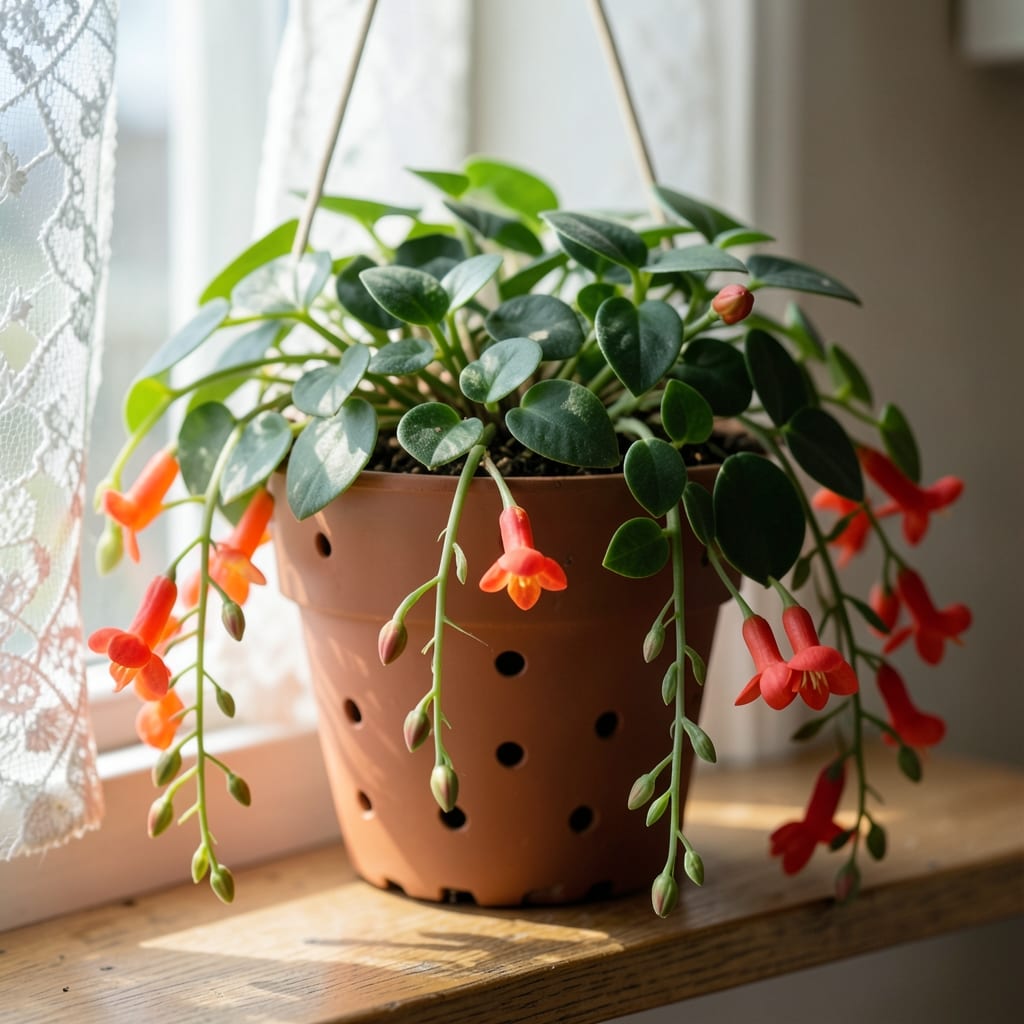
If your Goldfish Plant 🐟 looks more like a sad, leggy shadow than a vibrant showstopper, you might be getting how much light does a goldfish plant need all wrong. The right amount of light transforms this trailing beauty into a lush, cascading masterpiece—without frying its delicate leaves in harsh sun.
Most gardeners assume "bright light" means blasting their plants with direct sunlight, but Goldfish Plants 🐟 crave something gentler: bright indirect light that mimics dappled shade. Too little, and it stretches toward the light like a sleepy cat; too much, and those gorgeous leaves crisp up faster than toast in a hot pan. Let’s fix that.
You don’t need a fancy greenhouse or a sunroom to nail the perfect setup. With just a few tweaks—like positioning it near an east-facing window or adding a sheer curtain—you’ll give your Goldfish Plant 🐟 the ideal glow. I’ll show you exactly where to place it, what to watch for, and how to troubleshoot common light mistakes so your plant thrives year-round.
Ready to turn your Goldfish Plant 🐟 into the star of your space? Let’s dive into the light requirements that’ll keep those trailing vines happy, healthy, and full of life.

Optimal light requirements for goldfish plant growth: bright indirect sun explained
The goldfish plant (Columnea microphylla) thrives in bright indirect light, making it perfect for indoor spaces. Too little light causes leggy growth, while too much can scorch its delicate foliage. Understanding the balance is key to keeping your plant lush and vibrant year-round.
For healthy growth, aim for 4-6 hours of bright indirect sunlight daily. This mimics the dappled light found under forest canopies in its native habitats. Position your plant near an east or west-facing window where morning or afternoon sun gently filters through.
Direct midday sun—especially from south-facing windows—can cause leaf burn. Watch for crispy edges or brown patches as warning signs. If your plant starts stretching toward the light, it’s begging for more brightness, but not harsh rays.
Seasonal adjustments matter too. During winter months, when natural light dims, supplement with a grow light for 6-8 hours daily. In summer, move your plant slightly back from the window to prevent overheating.
| Light Condition | Ideal Placement | Growth Impact | Fixes |
|---|---|---|---|
| Bright Indirect Light (60%) | East/west window, 2-3 ft away | Compact growth, vibrant leaves | None needed |
| Low Light (<40%) | North-facing window or corner | Leggy stems, pale leaves | Move to brighter spot or add grow light |
| Direct Sun (>60%) | South window, no filter | Brown leaf edges, crispy texture | Move to indirect light, use sheer curtain |
| Artificial Light (LED Grow Bulb) | 6-12 inches above plant, 6-8 hrs/day | Balanced growth, no stretching | Adjust height as plant grows |
If your home lacks natural light, LED grow lights are a game-changer. Opt for full-spectrum bulbs that mimic sunlight, placed 6-12 inches above the plant. Run them for 6-8 hours daily to replicate a natural photoperiod. Rotate the plant weekly to prevent uneven growth toward the light source.
Outdoor enthusiasts can enjoy goldfish plants on shaded patios or under tree canopies during warm months. Just avoid full sun exposure, which can damage the leaves. Bring potted plants indoors before fall temperatures drop below 50°F (10°C) to protect them from cold drafts.
Pro tip: Rotate your plant quarterly to ensure even light exposure. This prevents lopsided growth and keeps those signature trailing vines symmetrical. A simple 90-degree turn every month works wonders for balanced development.
Remember, consistency is key. Sudden light changes can stress your goldfish plant, causing leaf drop or stunted growth. Gradually adjust its position over 1-2 weeks when moving it to a new spot.
By mastering these light requirements, your goldfish plant will reward you with glossy, fish-shaped leaves and vigorous trailing habits. It’s all about finding that sweet spot between brightness and gentleness—just like Goldilocks’ perfect bowl of porridge! 🐟
Signs your goldfish plant isn’t getting enough (or too much) light
Your goldfish plant speaks volumes through its leaves—pay attention to its foliage signals to spot light issues early. Leggy stems and sparse leaves often mean it’s stretching for more light, while crispy edges or yellowing suggest too much direct sun. These clues help you adjust placement before problems worsen.
When your plant’s leaves turn pale yellow or develop brown patches, it’s a cry for help. Yellowing leaves usually mean overwatering combined with low light, while brown tips signal sunburn from harsh afternoon rays. Both issues are fixable with simple adjustments to its environment.
🌱 Key-takeaway element coming up to highlight the most critical signs and fixes—bookmark this for quick reference!
🌱 Quick Light Check for Goldfish Plants
- Leggy growth → Move to brighter spot (east/west window)
- Pale leaves → Needs more indirect light (add a sheer curtain)
- Brown edges → Too much sun (filter light with a screen)
- Slow growth → Low light (supplement with grow lights)
Troubleshoot fast: Rotate plant weekly for even growth!
If your goldfish plant develops small, sparse leaves or stops growing entirely, it’s likely starved for light. This is common in north-facing rooms or under dim artificial lighting. The fix? Relocate it to a sunnier spot or invest in a grow light for consistent care.
On the flip side, if your plant’s leaves look bleached or crispy, it’s getting too much direct sunlight, especially from south-facing windows. Move it further back (3-5 feet from the window) or use a light-filtering curtain to diffuse harsh rays.
For indoor growers, remember: goldfish plants thrive in bright indirect light—think of it as a sunbathing session without sunscreen. A quick leaf check every week keeps your plant happy and healthy year-round.
💡 Pro tip: Rotate your plant quarter-turns weekly to ensure even light exposure and prevent lopsided growth. Your goldfish plant will thank you with vibrant, lush foliage!