
Light Requirements
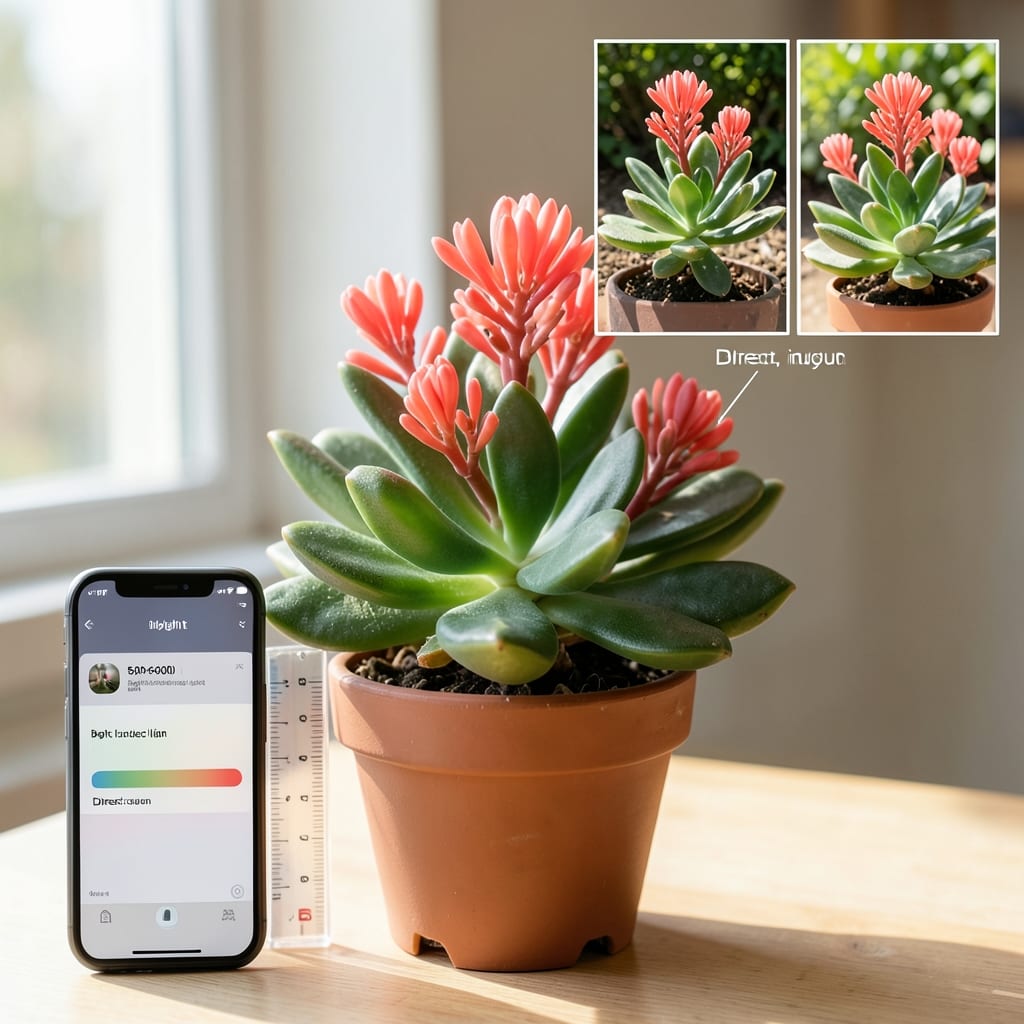
If you're wondering how much light does a kalanchoe plant need, the answer is simple: the perfect balance of bright indirect sunlight is the key to keeping your kalanchoe thriving, and getting it wrong can mean the difference between vibrant blooms and sad, leggy stems.
Most kalanchoe varieties need about 6 hours of light daily, but they can handle up to 8 hours if it's bright but not scorching. Too little light makes them reach for the sun, while too much can cause leaf burn. The good news? These plants are forgiving once you understand their preferences.
Whether you're dealing with a sunny south-facing window or a dim corner, I'll show you exactly how to adjust the light for your kalanchoe's needs. You'll learn to spot the signs of over- or under-lighting and make simple fixes that keep your plant happy all year round.
Let's dive into the ideal light conditions and how to create them, whether your kalanchoe is basking in natural sunlight or living under artificial grow lights. Your plant's health depends on getting this right—and it's easier than you think!


Kalanchoe light requirements: ideal sunlight exposure for healthy growth
Kalanchoe plants thrive in bright indirect sunlight for 4-6 hours daily, but they can tolerate up to 4 hours of direct morning sun. This succulent's light needs are often misunderstood—too little causes leggy growth, while too much leads to leaf scorch. Understanding their preferences is key to keeping your plant vibrant and blooming.
Most Kalanchoe blossfeldiana varieties (the most common type) prefer east or west-facing windows where they receive gentle morning or afternoon sun. South-facing windows can work too, but you’ll need to filter the light with a sheer curtain during peak hours (11 AM–3 PM) to prevent burning.
The ideal light intensity for kalanchoes is about 60% of full sun. Think of it like standing under a dappled shade tree—bright but not scorching. If your plant starts stretching toward the light or developing pale leaves, it’s not getting enough. Conversely, crispy brown edges or white patches mean it’s getting too much.
Seasonal adjustments are crucial. In summer months, kalanchoes can handle slightly more direct light, but always rotate the pot weekly so all sides get even exposure. During winter, when sunlight is weaker, supplement with a grow light for 4-6 hours daily if natural light drops below 4 hours.
Here’s a quick reference for your kalanchoe’s light needs:
| Condition | Bright Indirect Light | Direct Sun Tolerance | Signs of Stress |
|---|---|---|---|
| Daily Exposure | 4-6 hours | Up to 4 hours (morning only) | Leggy stems, pale leaves |
| Best Window Placement | East or west-facing | South-facing (with filter) | Brown leaf tips, crispy edges |
| Seasonal Adjustments | Winter: Supplement with grow light | Summer: Rotate pot weekly | Stunted growth, no blooms |
If you notice your kalanchoe leaves turning red, it’s often a sign of too much direct sun, especially in hot climates. Move it back 2-3 feet from the window or use a light sheer curtain to diffuse the intensity. For indoor gardeners, a south-facing window is ideal, but avoid placing the plant directly on the sill where it can get harsh afternoon sun.
Outdoor kalanchoes can be placed in partial shade gardens, but they’ll need at least 4 hours of bright light daily to thrive. In USDA Zone 6a or warmer, they can often stay outside year-round, but bring them indoors if temperatures drop below 50°F (10°C) to prevent cold damage.
Pro tip: Use a light meter app (like "Light Meter" for smartphones) to check your plant’s light levels. Aim for 10,000–15,000 lux for optimal growth. If your space only gets low light (under 5,000 lux), invest in a full-spectrum LED grow light to keep your kalanchoe healthy.
Remember, kalanchoes are succulents, so they’re naturally adapted to drought and bright conditions. When in doubt, err on the side of slightly less light—you can always increase exposure gradually, but too much sun too soon will scorch their delicate leaves.
Kalanchoe light requirements: ideal sunlight exposure for healthy growth
Your kalanchoe plant thrives in bright indirect sunlight, but finding the perfect balance is key. These succulents need about 4-6 hours of filtered light daily to maintain their compact shape and vibrant blooms. Too little light causes leggy growth, while too much can scorch delicate leaves. Let’s break down the exact conditions your kalanchoe craves.
For indoor placement, position your kalanchoe near an east or west-facing window where it gets gentle morning or afternoon sun. Avoid harsh midday rays from south-facing windows, which can bleach leaves or cause brown patches. If you notice stretched stems, it’s a clear sign your plant needs more light—rotate it weekly for even exposure.
| Light Condition | Daily Exposure | Signs of Stress | Solution |
|---|---|---|---|
| Bright Indirect | 4-6 hours | Healthy growth, vibrant flowers | East/west window or sheer curtain |
| Low Light | <2 hours | Leggy stems, pale leaves | Move closer to window or add grow light |
| Direct Sun | >6 hours | Brown spots, crispy edges | Filter light with sheer curtain or move 3 feet back |
Outdoor kalanchoes adapt well to partial shade during summer’s peak heat, especially in hot climates like USDA Zone 9-11. In cooler zones (Zones 6-8), they can handle morning sun but need afternoon shade to prevent sunburn. Always acclimate outdoor plants gradually—start with 1-2 hours of sun and increase exposure over 1-2 weeks.
Seasonal adjustments are crucial. In winter months, when daylight shortens, supplement with a 12-hour grow light to maintain your kalanchoe’s health. Look for a full-spectrum LED bulb (6,500K) and place it 12-18 inches above the plant for 4-6 hours daily. This mimics natural light cycles and prevents dormancy-related decline.
Watch for leaf color changes as your first clue about light needs. Deep green leaves with red or pink edges signal perfect conditions, while yellowing or purple hues often mean too much direct sun. For flowering varieties like Kalanchoe blossfeldiana, adequate light triggers vibrant blooms—10-12 hours of light encourages continuous flowering.
Pro tip: Group your kalanchoes with other succulents like haworthias or sedums to create a microclimate with balanced light exposure. Rotate pots every 2-3 weeks so all sides get equal sunlight, preventing lopsided growth. With these adjustments, your kalanchoe will stay compact, colorful, and thriving year-round. 🌸