
Light Requirements
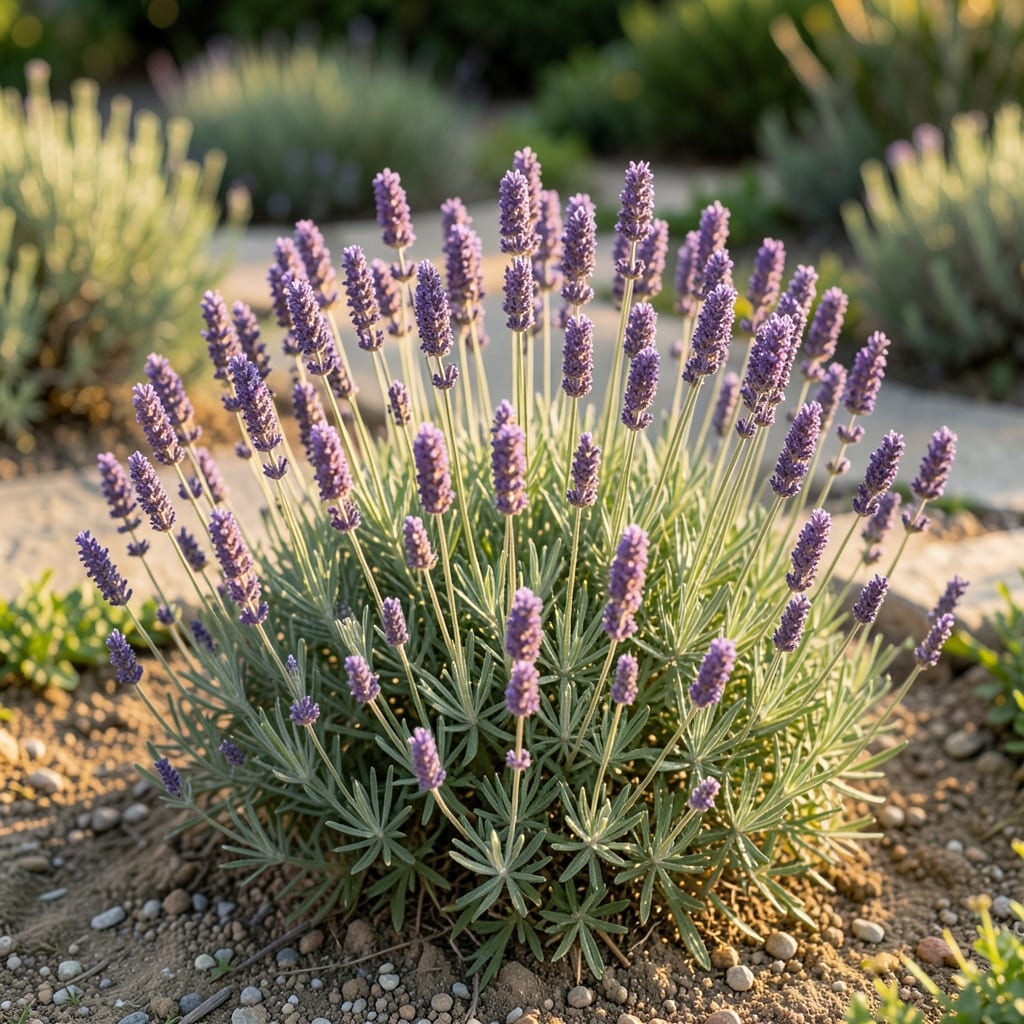
If your 🌿 lavender plant looks sad and leggy instead of thriving with vibrant purple blooms, you're likely not giving it the right amount of light—specifically, how much light does a lavender plant need to thrive? The answer is 6-8 hours of full sun daily—any less and you'll struggle with weak stems and sparse flowers, no matter how much you water.
But here's the catch: too much harsh afternoon sun can scorch those delicate leaves, especially in hot climates. The key is finding that perfect balance where your lavender gets bright, direct sunlight without turning crispy at the edges. I'll show you exactly how to measure sunlight in your garden and make adjustments that actually work.
Whether you're growing lavender in containers on a balcony or planting it in your garden bed, we'll cover practical solutions for different light conditions. You'll learn how to spot the signs of light problems early and what to do about them—because once you get this right, your lavender will reward you with abundant blooms and that signature heavenly scent.
Let's dive into the sunlight secrets that will transform your lavender from struggling to stunning, with tips tailored to your specific growing situation. Your fragrant garden is just a few adjustments away!
 Best Window Placement
Ideal sunlight hours for lavender plants: the science behind 6-8 hours of full sun
Lavender plants, particularly varieties like English lavender (Lavandula angustifolia) and French lavender (Lavandula stoechas), thrive when exposed to 6-8 hours of direct sunlight daily. This isn't just a recommendation—it's a biological necessity. Lavender's native Mediterranean climate means it evolved to handle intense sunlight, and replicating those conditions is key to robust growth and fragrant oil production.
The photosynthesis process in lavender accelerates with full sun exposure, leading to stronger stems, denser foliage, and more abundant purple blooms. Without enough light, your plant will stretch toward any available light source—a condition called etiolation—resulting in weak, leggy stems and fewer flowers. Even if you're in a cooler climate, lavender still needs plenty of light to thrive.
Here's the catch: not all sunlight is equal. Morning sun is gentler and ideal for lavender, while harsh afternoon sun (especially in hot climates) can scorch leaves. In regions with intense summer heat, providing afternoon shade can prevent sunburn while still meeting the plant's light needs.
To measure sunlight in your garden, use a sunlight tracker app or simply observe your space for a week. Mark the hours your garden receives direct sunlight—aim for at least 6 hours between 6 AM and 8 PM. If your garden only gets 4-5 hours, lavender may still grow, but it won't reach its full potential.
Seasonal adjustments are also crucial. In winter months, days are shorter, so supplement with a south-facing window if growing indoors. In summer, lavender can handle more light, but monitor for signs of stress like yellowing leaves or crispy edges.
For containers, place them in the sunniest spot you can find—balconies, rooftops, or even on reflective surfaces like gravel or light-colored walls to bounce extra light onto the plant. If you're in a shaded garden, consider dwarf varieties like 'Hidcote' or 'Munstead', which tolerate slightly less light than standard types.
🌿 Lavender Sunlight Summary
| Requirement | Specification |
|---|---|
| Minimum Daily Sunlight | 6 hours (full sun) |
| Ideal Daily Sunlight | 6-8 hours (direct) |
| Best Light Quality | Bright, direct (morning sun preferred) |
| Tolerates Partial Shade? | No (only dwarf varieties in 3-4 hours) |
| Afternoon Sun Risk | Sunburn in hot climates |
| Indoor Light Needs | South-facing window (6+ hours) |
If you're in a cooler climate like the Pacific Northwest or New England, lavender can actually benefit from more sunlight because the days are shorter. In these regions, aim for 8+ hours of sun to compensate. Conversely, in hot, dry climates like Arizona or California, you might need to provide afternoon shade during peak summer months to prevent heat stress.
Pro tip: Rotate your containers every few days if growing on a balcony to ensure even sunlight exposure. This prevents one side of the plant from becoming leggy while the other stays compact. For garden beds, space lavender plants 18-24 inches apart to allow sunlight to reach all parts of the plant without competition.
Remember, lavender's fragrance and oil content are directly tied to sunlight exposure. The more light your plant gets, the stronger its scent will be when you crush the leaves. So if you're growing lavender for culinary or aromatic purposes, prioritize that 6-8 hour sun requirement above all else.
Now that you understand the science behind lavender's sunlight needs, let's explore how to spot when your plant isn't getting enough—or too much—light, and what you can do to fix it. 🌞
Ideal sunlight hours for lavender plants: the science behind 6-8 hours of full sun
Lavender plants (Lavandula spp.) are sun worshippers by nature, evolved in Mediterranean climates where they bask in bright sunlight for 10+ hours daily. When you bring them to your garden, they still crave this intensity—6-8 hours of direct sun is the minimum to trigger those vibrant purple blooms and fragrant oils we love.
This isn't just about pretty flowers—sunlight drives photosynthesis, which fuels stem strength, leaf oil production, and bud formation. Without enough light, your lavender will stretch toward any available rays, producing long, weak stems and fewer flowers. Think of it like a human reaching for a vitamin D boost—lavender needs its sunlight fix too!
🌱 Lavender Sunlight Requirements Summary
| Requirement | Specification |
|---|---|
| Minimum Daily Sunlight | 6-8 hours of direct sun |
| Optimal Light Intensity | Full sun (80-100% sunlight) |
| Tolerates Partial Shade | 3-4 hours max (for varieties like 'Munstead') |
| Best Morning Sun | 6 AM - 10 AM (gentle warmth) |
| Afternoon Sun Risk | 1 PM - 5 PM (use shade cloth if needed) |
The 6-8 hour rule applies year-round, but summer brings extra challenges. In hot climates (Zones 8-10), lavender can handle up to 10 hours of sun, but you'll need to protect it from afternoon heat (2 PM - 5 PM) using dappled shade or a lightweight shade cloth. I've seen lavender plants in Arizona gardens thrive with morning sun only and afternoon shade—proof that flexibility exists!
For cooler climates (Zones 5-7), aim for the full 6-8 hours even in winter. Lavender is evergreen, so it keeps working through the colder months. If your winters are overcast and gray, consider supplementing with a grow light for 12 hours daily during December-February to maintain vigor.
To measure sunlight in your garden, use a sunlight tracker app or place a white piece of paper in potential spots—if it's fully illuminated by 10 AM and stays that way until 4 PM, you've got prime lavender real estate. South-facing spots are ideal in the Northern Hemisphere, while north-facing areas will struggle unless you're in the Southern Hemisphere.
Remember: container-grown lavender has even stricter light needs since pots can't store excess moisture or nutrients. If your balcony only gets 3-4 hours of sun, choose dwarf varieties like 'Hidcote' or supplement with LED grow lights for 14 hours daily during the growing season. Your lavender will thank you with healthier growth and more blooms than you've ever seen!