
Plants
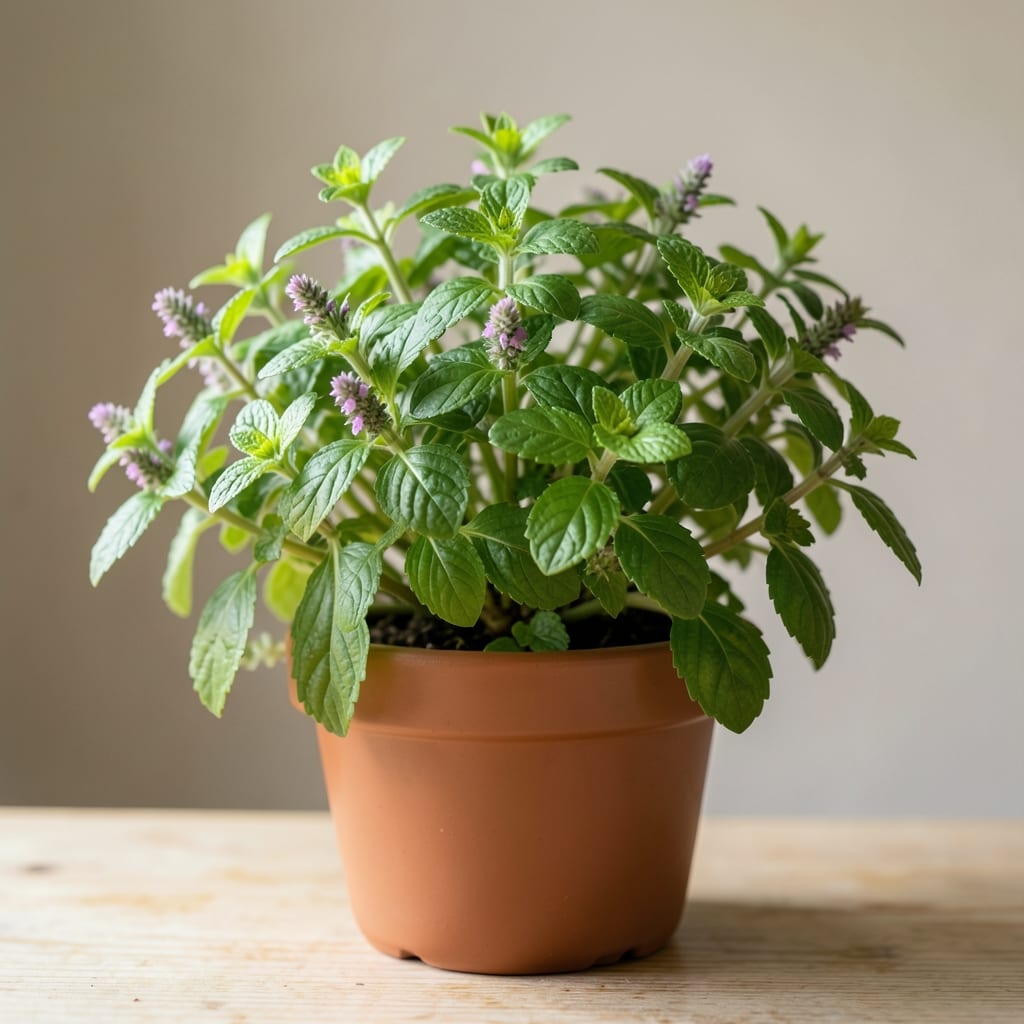
If your 🌿 mint plant is struggling to thrive, the answer might be simpler than you think—how much light does a mint plant need to unlock vibrant growth? Too little, and you’ll end up with leggy, weak stems; too much, and those crisp leaves will turn crispy from the sun. Finding that perfect balance is easier than you’d imagine, and it’s the key to unlocking the full potential of your herb garden.
Mint plants actually prefer bright indirect light, making them perfect for spots that get morning sun or filtered afternoon rays. Whether you’re growing them in your kitchen window or tucked into a shady garden corner, understanding their light needs will save you from common pitfalls like yellowing leaves or stunted growth. Let’s break down exactly how to give your mint the ideal lighting conditions.
You don’t need a greenhouse or fancy grow lights to keep your mint happy—just a few simple adjustments can make all the difference. From recognizing the signs of insufficient light to choosing the best window placement, I’ll walk you through everything you need to know. Ready to transform your mint from struggling to stunning?
The best part? Once you nail the light, your mint will reward you with lush, flavorful leaves all season long. No more guessing games—just healthy, thriving plants that’ll make your tea taste like a pro’s garden. Let’s get started.

Optimal light requirements for mint plants: bright indirect sun explained
Mint plants thrive best with 4-6 hours of bright indirect sunlight daily. This partial shade environment keeps their leaves vibrant and flavorful while preventing leaf scorch from harsh afternoon rays. Too little light causes leggy growth, while excessive sun can bleach the leaves and reduce potency.
Outdoor mint prefers morning sun exposure (6 AM–12 PM) paired with afternoon shade. If growing indoors, place your mint near an east-facing window where it gets gentle morning light without intense heat. Avoid south-facing windows, as they often provide too much direct sunlight.
Mint can tolerate some direct sunlight, but prolonged exposure—especially in hot climates—can stress the plant. In USDA Zones 6-9, afternoon shade is ideal during summer months to prevent wilting or browning edges on leaves.
If your mint is indoors, rotate the pot quarter-turn weekly to ensure even light exposure. This prevents one-sided growth and keeps the plant compact. For outdoor containers, move them to shadier spots during peak summer heat (12 PM–4 PM) to avoid stress.
In low-light conditions, mint may still grow but with reduced flavor intensity. Supplement with a grow light 12-14 inches above the plant for 6-8 hours daily if natural light is insufficient. LED grow lights are energy-efficient and mimic sunlight effectively.
Seasonal adjustments are key: in winter months, mint needs slightly more light (extend to 6-8 hours if possible). Conversely, in summer’s intense heat, reduce direct sun to 2-3 hours max to prevent heat shock.
Watch for yellowing leaves or stunted growth, which signal insufficient light. Conversely, crispy edges or bleached spots mean too much sun. Balancing these cues ensures your mint stays lush and aromatic year-round.
For container growers, choose pots with light-colored surfaces to reflect excess heat. If outdoors, place mint near dappled shade trees or under 50% shade cloth during hot afternoons. These tweaks mimic mint’s natural woodland understory habitat.
Remember: Mint’s light needs are flexible, but consistency is critical. A stable routine—whether natural or artificial light—keeps your mint thriving and ready for harvest.
Optimal light requirements for mint plants: bright indirect sun explained
Mint plants thrive in bright indirect sunlight, making them perfect for gardeners with limited direct sun exposure. Unlike sun-loving herbs like rosemary, mint prefers 4-6 hours of filtered light daily—think dappled shade under trees or a north-facing window. Too much harsh afternoon sun can scorch delicate leaves, while too little light leads to weak, leggy growth and pale foliage.
In outdoor settings, position your mint in a spot that receives morning sun and afternoon shade. This mimics its natural habitat in woodland edges, where it avoids intense midday rays. For container gardens, place pots near the east or west side of your patio to balance light exposure without risking leaf burn.
Indoors, mint plants perform best near east-facing windows, where they get gentle morning light without overheating. South-facing windows can work too, but use a sheer curtain to diffuse the sun’s intensity. Avoid placing mint in dim corners or behind heavy blinds—this leads to stunted growth and weak stems.
| Light Condition | Ideal Exposure | Signs of Stress |
|---|---|---|
| Bright Indirect Light | 4-6 hours daily | Dark green, glossy leaves |
| Full Sun (Outdoor) | Morning sun only | Leaf scorch, crispy edges |
| Low Light (Indoor) | <2 hours daily | Leggy stems, sparse leaves |
Seasonal changes affect mint’s light needs too. In summer, mint may appreciate extra afternoon shade to prevent wilting, while winter’s weaker sunlight means supplementing with a grow light for 6-8 hours daily if growing indoors. Watch for pale or yellowing leaves—this often signals insufficient light, while crispy brown patches mean too much sun.
To test your mint’s light conditions, place a white piece of paper near the plant midday. If shadows are sharp and dark, the area is too sunny. For softer, blurred shadows, it’s ideal. Adjust placement gradually—moving mint too quickly can shock its roots and stunt growth.
Remember, mint’s light needs directly impact its flavor and growth rate. Plants in perfect light conditions produce aromatic, vibrant leaves ready for harvesting in just 60-75 days. Keep an eye on your mint’s leaves—they’re the best barometer for whether it’s getting just the right amount of light.