
Plants
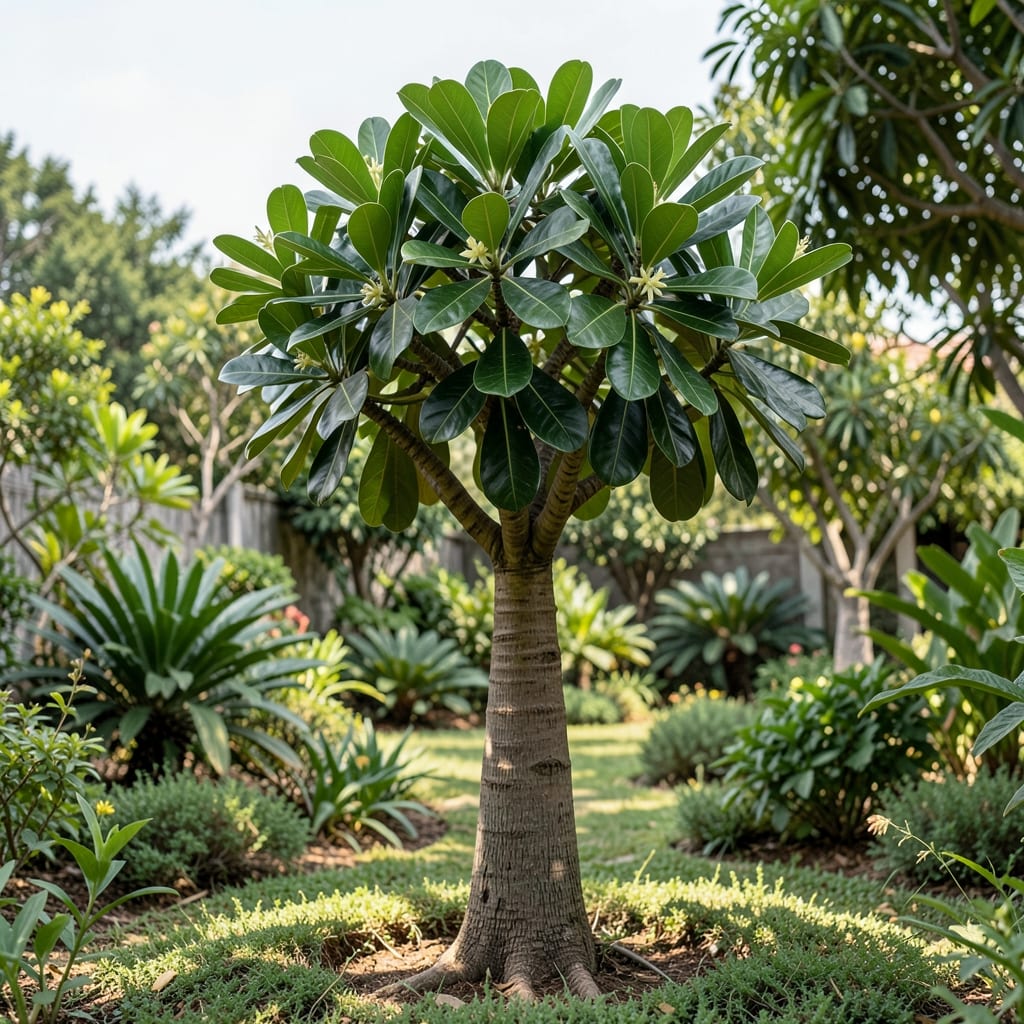
Ideal light requirements for a money tree plant: low to bright indirect sunlight explained
A money tree (Pachira aquatica) thrives in bright, indirect sunlight, making it perfect for homes with filtered light. Unlike sun-loving plants, it avoids harsh rays that cause leaf burn. The ideal range is 1,000–2,500 lux, similar to a well-lit office or a spot near an east-facing window. Understanding this spectrum helps you spot the perfect home for your plant.
Your money tree’s leaves will tell you if it’s getting the right light. Yellowing leaves mean too little light, while brown patches or crispy edges signal over-exposure. Variegated varieties (with white or yellow leaf edges) need slightly more light than solid green ones, as their unique patterns require extra energy to maintain.
Seasonal changes affect light needs too. In summer, when sunlight is intense, move your money tree 3–4 feet away from south-facing windows to prevent scorching. During winter, when natural light dims, supplement with a grow light for 12–14 hours daily to maintain its health.
Here’s how to test your home’s light conditions: Place a lux meter (or a smartphone app) near potential spots. Aim for 1,500–2,000 lux—this is the sweet spot for steady growth. If your space lacks natural light, opt for a south-facing window or use LED grow bulbs with a color temperature of 5,000–6,500K for optimal results.
If your money tree starts showing signs of slow growth or leggy stems, it’s craving more light. Rotate the pot quarter-turns every 2 weeks to ensure even exposure. For variegated varieties, slightly more light (up to 2,500 lux) encourages vibrant patterns. However, avoid placing it in direct afternoon sun, as this can scorch leaves within hours.
North-facing windows provide the gentlest light but may not be sufficient for long-term health. In such cases, pair natural light with a timed grow light for 4–6 hours daily. This mimics the plant’s natural tropical habitat, where dappled sunlight filters through dense canopies. Think of your money tree as a shade-dwelling rainforest dweller—it thrives under gentle, diffused conditions.
Pro tip: Dust your money tree’s leaves every 2–3 weeks to maximize light absorption. Dust blocks up to 50% of light, reducing photosynthesis. Use a soft microfiber cloth or a leaf duster to gently clean both sides of the leaves. This simple step can make a noticeable difference in your plant’s vitality.
For those with multiple windows, prioritize east or west exposures over south-facing ones. East windows offer morning sun, which is less intense, while west windows provide afternoon light without the harsh midday heat. If you’re in a high-rise apartment, a spot 2–3 feet from a large window with sheer curtains is ideal.
Remember, your money tree’s light needs are flexible but not unlimited. While it can tolerate low light for short periods, prolonged exposure leads to weak stems and sparse foliage. Balance is key—aim for bright indirect light and adjust based on seasonal changes and your plant’s feedback. With the right conditions, your money tree will reward you with lush, glossy leaves and steady growth for years to come.
How to adjust your home’s lighting for a thriving money tree (with common mistakes to avoid)
Adjusting your home’s lighting for a money tree (Pachira aquatica) can feel tricky, especially if you’re in a low-light apartment or office. Start by identifying the brightest indirect light spot—like an east or west-facing window—where your plant can bask in 4-6 hours of filtered sunlight daily. If your space lacks natural light, supplement with grow lights (LED or fluorescent) for 12-14 hours to mimic daylight.
For variegated money trees, prioritize brighter indirect light to preserve their striking leaf patterns. Green varieties, however, adapt better to lower light conditions, making them ideal for dimmer corners. Test your plant’s light tolerance by observing its leaf color and growth rate—healthy leaves should stay vibrant green without yellowing or browning edges.
🚨 CRITICAL MISTAKE: Placing your money tree in direct sunlight causes leaf scorch (brown patches) and slows growth. Rotate the pot quarter-turns monthly to ensure even light exposure, but avoid over-rotating, which stresses the plant. Use a light meter (or your phone’s lux app) to measure 1,000–2,500 lux—the ideal range for thriving foliage.
If your money tree develops yellow leaves, it’s often a sign of overwatering—but check the light first! Low light reduces evaporation, keeping soil damp longer. Move the plant closer to a window or increase airflow with a small fan. For brown leaf tips, the air is too dry—group plants together to raise humidity or mist leaves lightly in the morning.
For office spaces with fluorescent lighting, place your money tree within 3 feet of the light source. Avoid south-facing windows in summer, as the intense midday sun can burn leaves. Instead, use sheer curtains to diffuse harsh rays while maintaining bright indirect light. Test placement by observing leaf response over 2-3 weeks—adjust gradually to avoid shock.
💡 PRO TIP: Use a reflective surface (like a white wall or mirror) behind your money tree to bounce extra light onto the leaves. This simple trick boosts growth in dim rooms without extra equipment. Pair this with weekly rotations to prevent lopsided growth, and your money tree will reward you with lush, glossy foliage year-round.