
Light Requirements
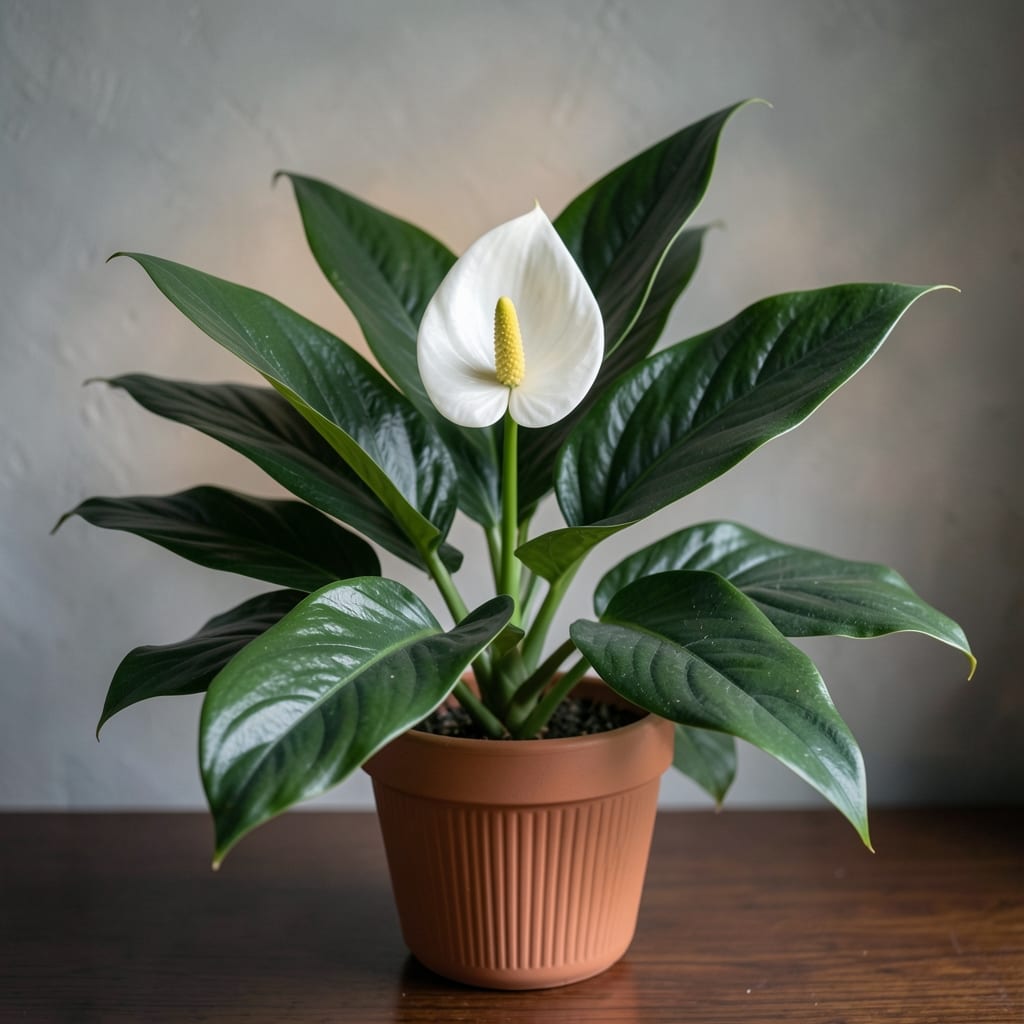
If you’ve ever watched your Peace Lily 🌿 droop despite being labeled "unkillable," you’re probably asking yourself: how much light does a Peace Lily plant need to truly thrive? The answer might surprise you—it’s not about blasting it with sunlight, but finding that sweet spot where indirect light keeps its leaves lush and vibrant.
Peace Lilies are masters of adaptability, thriving in everything from dim corners to bright, filtered light. But too much direct sun can scorch those delicate leaves, while too little leaves them weak and leggy. I’ll show you exactly how to spot the perfect balance in your home, so you can finally stop guessing and start growing.
The key is understanding your space—whether it’s a north-facing window or a shadowy bathroom. You’ll learn how to adjust placement seasonally, recognize warning signs (like brown tips or yellowing leaves), and even use artificial light to supplement when natural light falls short.
By the end, you’ll have a foolproof system to keep your Peace Lily happy year-round, no matter where you live. Let’s turn that struggling plant into the showstopper it’s meant to be.


Peace Lily light requirements: ideal conditions for healthy growth
Peace Lilies (Spathiphyllum) are famous for thriving in spaces other plants avoid—like dim offices or bathrooms. But even these resilient beauties need the right light conditions to flourish. The key is bright, indirect light, but they tolerate low-light environments surprisingly well. Too much direct sun, however, can scorch their delicate leaves, while too little light slows growth and dulls their signature white blooms.
Most homes provide ideal Peace Lily light without extra effort. A spot near a north-facing window or a few feet from an east- or west-facing window delivers perfect filtered sunlight. If your space is low-light only (like a basement or windowless room), don’t panic—these plants adapt, though they may grow slower and produce fewer flowers. The secret? Understanding their light tolerance range and adjusting care accordingly.
🌱 Did You Know? A Peace Lily can survive on as little as 2-4 hours of indirect light daily, making it one of the most forgiving houseplants for low-light conditions. However, for maximum growth and blooming, aim for 6-8 hours of bright, indirect light.
Your Peace Lily’s leaf color is the best indicator of its light needs. In perfect light conditions, leaves stay deep green with a slight sheen. If they turn yellow or brown, it’s a cry for help—either too much sun (brown crispy edges) or too little light (pale, weak leaves). Pro tip: Rotate your plant every 2-4 weeks so all sides get even exposure, preventing lopsided growth.
For indoor growers without natural light, LED grow lights are a game-changer. A 12-hour daily light cycle with a full-spectrum bulb mimics natural conditions, encouraging blooms even in windowless rooms. Place the bulb 6-12 inches above the plant and adjust height as it grows. This setup works especially well in offices or basements where natural light is scarce.
Seasonal changes also affect your Peace Lily’s light needs. In winter, when days are shorter, supplement with a grow light or move the plant closer to a south-facing window (but still avoid direct sun). Conversely, in summer, if your plant starts getting too much light, use a sheer curtain to diffuse harsh rays. Watch for leaf curl or brown spots—these are red flags for light stress.
If you’re unsure whether your space meets a Peace Lily’s needs, try the "finger test": Hold your hand near the plant’s leaves. If you can’t feel warmth after a few hours, the light is likely too dim. Conversely, if the leaves feel hot to the touch, it’s too intense. This simple trick helps you fine-tune placement without guesswork.
Remember, Peace Lilies are forgiving, but they’ll reward you with lush foliage and frequent blooms when given the right light balance. Start with a low-light spot, monitor their response, and adjust gradually. With these tips, your Peace Lily will thrive—even in the shadiest corners of your home! 🌿
How to adjust your Peace Lily’s light exposure for maximum growth
Adjusting your Peace Lily’s light exposure is easier than you think—it just takes observation and small tweaks. Start by rotating your plant every 2-4 weeks. This ensures even growth and prevents one side from stretching toward the light while the other stays weak. I notice my Peace Lily’s leaves start leaning toward the window after a few weeks, so I give it a quarter-turn to keep it balanced. Uneven light exposure is the #1 reason for lopsided growth or weak stems.
If your Peace Lily’s leaves are developing brown crispy edges or yellow patches, it’s likely getting too much direct sunlight. Move it further from the window or add a sheer curtain to diffuse harsh rays. I once placed mine too close to a south-facing window, and within days, the tips turned brown. A simple adjustment of 2 feet solved the problem instantly.
For low-light conditions, like a bathroom or office, your Peace Lily will still survive—but it may grow slower and produce fewer blooms. To encourage growth, consider using a LED grow light for 12 hours daily. Place it 6-12 inches above the plant and use a full-spectrum bulb. This mimics natural light and can even trigger more frequent blooming. I’ve seen my Peace Lily double its growth rate with just 4 hours of supplemental light!
⚠️ Warning: Over-Exposure Risks Direct sunlight is the silent killer of Peace Lilies. Even a few hours of unfiltered rays can cause leaf burn, turning edges brown and crispy. Watch for these signs:
- Brown tips on older leaves
- Yellowing between leaf veins
- Curling or wilting leaves
Seasonal changes demand light adjustments too. In winter, when natural light is scarce, move your Peace Lily closer to a south-facing window (but still avoid direct sun). In summer, if your plant starts getting too much light, use a sheer curtain or move it back a few feet. I adjust my plant’s position every 2 months to match the changing seasons, and it makes a huge difference in its health.
Outdoor growers can also benefit from light adjustments. If you’re growing a Peace Lily outside in partial shade, monitor it closely. While they tolerate outdoor shade, afternoon sun can still cause damage. I’ve found that placing mine under a dappled shade tree gives it the perfect balance of light and protection. For container gardens, bring potted Peace Lilies indoors if temperatures drop below 50°F—they’re tropical plants at heart!
Pro tip: Use a light meter or your phone’s camera to test light levels. Hold your phone near the plant’s leaves—if the screen looks too bright, the light is too intense. If it’s dim or washed out, the plant needs more light. This quick trick helps you fine-tune placement without guesswork. With these adjustments, your Peace Lily will stay happy, healthy, and blooming year-round! 🌿