
Light Requirements
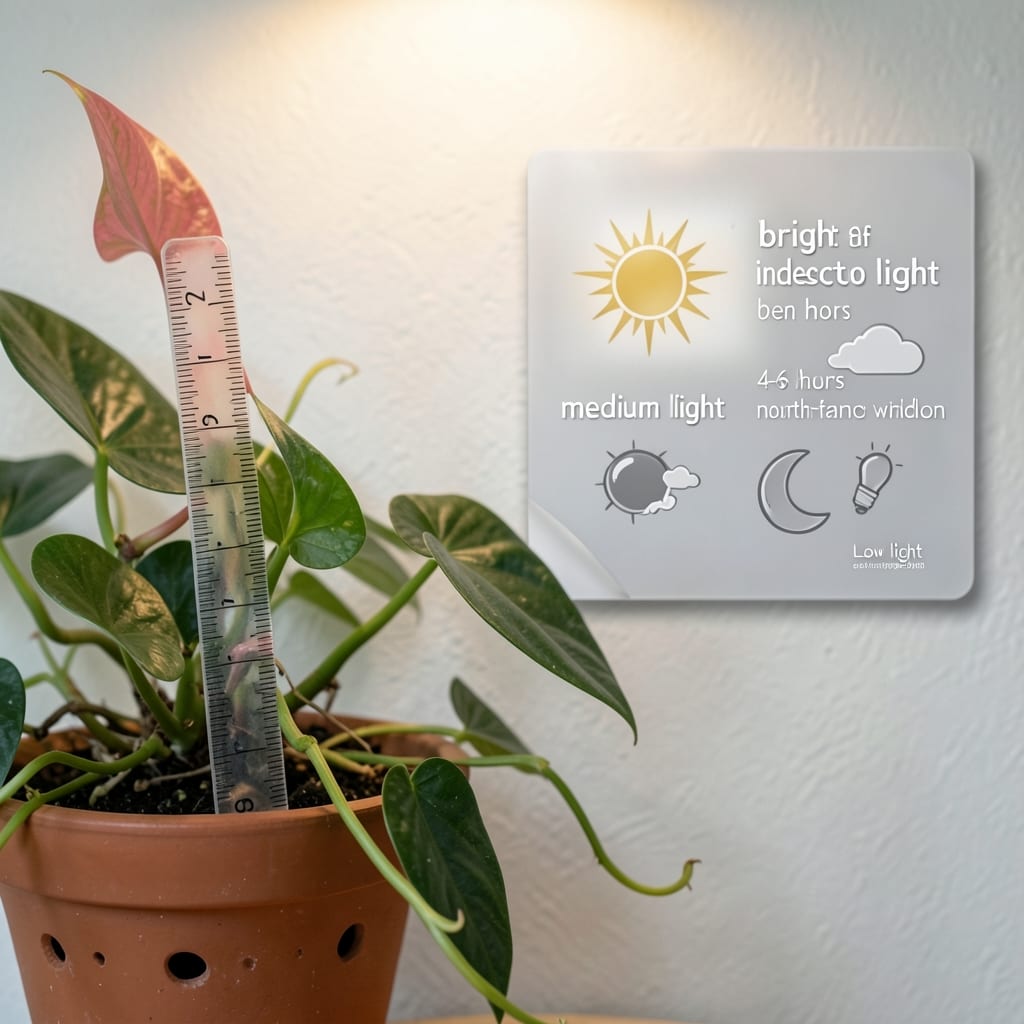
If you’re wondering how much light does a philodendron plant need to thrive, the answer is simpler than you think—but getting it wrong can turn your leafy friend into a sad, slow-growing shadow of its potential. This tropical beauty thrives in bright indirect light—but too much direct sun or too little brightness can turn those lush leaves into yellowing messes. The good news? With just 2-6 hours of the right kind of light daily, your philodendron can go from struggling to stunning.
Most people assume "bright indirect light" means placing their plant near any window, but that’s where mistakes happen. Direct afternoon sun can scorch delicate leaves, while dim corners slow growth to a crawl. I’ll show you exactly how to spot the signs of poor lighting—like brown spots or leggy stems—and how to adjust your setup in 3 simple steps.
Whether you’re dealing with a north-facing window that’s too shady or a south-facing one that’s too harsh, we’ll cover it all. You’ll also discover the best artificial lighting options if natural light just isn’t cutting it. Trust me, once you nail this, your philodendron will reward you with faster growth and those coveted heart-shaped leaves you’ve been dreaming of.
Ready to turn your plant parent game around? Let’s get your philodendron the perfect light balance so it can thrive all year round—no guesswork required.

Philodendron light requirements by variety: exact hours for optimal growth
Not all philodendrons are created equal when it comes to light. While most varieties thrive in bright indirect light, some types like Philodendron Brasil can handle more sun, while others like Philodendron Xanadu prefer gentler conditions. The key is understanding your specific variety’s tolerance—because too much direct sun can scorch leaves, while too little light leads to slow, leggy growth. Let’s break down the exact light needs for the most popular philodendron types so you can give your plant the perfect spot.
The heartleaf philodendron (Philodendron hederaceum) is the most forgiving, tolerating 2-4 hours of indirect light daily. It’s the classic beginner-friendly variety that can even survive in dim corners, though it’ll grow slower. Meanwhile, Philodendron Brasil and Philodendron Pink Princess need 4-6 hours of bright indirect light to show off their vibrant colors and glossy leaves. These varieties are more dramatic but require a bit more attention to light conditions.
Here’s where most people go wrong: assuming all windows provide the same light. A south-facing window delivers intense, direct sunlight that can burn philodendron leaves, while a north-facing window offers gentle, consistent indirect light—ideal for most varieties. East-facing windows work too, but only in the morning hours before the sun gets too strong. West-facing windows? Avoid them unless you’re using sheer curtains to diffuse the harsh afternoon rays.
| Variety | Ideal Light Hours | Best Window Placement | Signs of Too Much Light | Signs of Too Little Light |
|---|---|---|---|---|
| Heartleaf (Philodendron hederaceum) | 2-4 hours indirect | North or east window, 3-5 ft away | Brown crispy spots | Leggy stems, small leaves |
| Brasil (Philodendron Brasil) | 4-6 hours indirect | East or north window, 2-3 ft away | Bleached or yellow patches | Slow growth, dull leaves |
| Xanadu (Philodendron 'Xanadu') | 3-5 hours indirect | North or east window, 4-6 ft away | Curling leaves, dry edges | Stretched growth, pale leaves |
| Pink Princess (Philodendron 'Pink Princess') | 4-6 hours indirect | East or filtered south window | Faded pink variegation | Reverts to green |
If you’re unsure about your philodendron’s variety, don’t stress—most will tell you what they need through their leaves. For example, if your plant’s leaves are stretching toward the light (a condition called etiolation), it’s begging for more brightness. On the flip side, if the leaves are developing brown patches or crispy edges, it’s getting too much direct sun. The goal is to find that sweet spot where leaves stay glossy, green, and evenly spaced along the stems.
Artificial light can be a game-changer if your home lacks natural light. LED grow lights with a cool white spectrum (around 5000-6500K) mimic natural daylight and work well for philodendrons. Place the light 6-12 inches above the plant and provide 12-14 hours of light daily to compensate for low natural light. Rotate the plant weekly so all sides get even exposure—this prevents lopsided growth and ensures your philodendron stays bushy and balanced.
Seasonal changes also affect light exposure. During winter, shorter days mean less natural light, so you might need to supplement with a grow bulb or move your philodendron closer to the window. In summer, watch for longer daylight hours and adjust by moving the plant slightly farther from the window to avoid leaf burn. A simple trick is to use a sheer curtain to diffuse harsh sunlight while still allowing plenty of brightness.
Pro tip: If you’re still unsure about your philodendron’s light needs, try the shadow test. Place a piece of paper near your plant during the day and mark the shadow’s edges every hour. If the shadow is sharp and dark, the light is too direct. If it’s fuzzy and light, you’re in the ideal indirect light zone. This quick test takes the guesswork out of positioning and helps you fine-tune your philodendron’s environment for peak growth.
How to test your philodendron’s light conditions (and fix common mistakes)
Your philodendron’s leaves telling you a story—maybe one of too much sun or not enough. Those crispy brown edges or pale, leggy stems aren’t just random damage; they’re lighting red flags. The key to fixing them starts with a simple diagnostic test to measure exactly how much light your plant is getting (and whether it’s the right kind). I’ll walk you through my foolproof method, including the shadow test that saves plants every time.
First, grab a piece of white paper and place it where your philodendron sits for a full day. Mark the darkest and lightest spots—this reveals how direct the light is. If the paper shows harsh shadows or burns, your plant is getting too much direct sun. If it’s uniformly pale, it’s underlit. This trick works for any window, and it’s the first step to fixing light issues before they damage your plant.
🌿
⚠️ Warning: Direct Sun Burns
South-facing windows deliver intense midday sun (12 PM–3 PM), which can scorch philodendron leaves in hours. If your plant shows crispy brown patches, move it at least 5 feet away or use a sheer curtain to diffuse the light. Even 1 hour of direct sun can cause damage—philodendrons prefer filtered light at all times.
Next, check the seasonal shift in your space. What works in winter’s dim light (like a north window) might become too bright in summer. I keep my philodendron near an east-facing window—it gets gentle morning light but avoids the harsh afternoon sun. If your plant starts stretching toward the light (called etiolation), it’s begging for more brightness. Rotate the pot quarter-turns weekly so growth stays even.
For artificial light setups, measure the distance from your grow light to the leaves. If it’s closer than 12 inches, your plant may get too much intensity (look for bleached spots). Aim for 12–18 inches and use a timer for 12–14 hours daily to mimic natural cycles. LED grow lights with a cool white spectrum (5000–6500K) work best—avoid warm bulbs, which lack the blue light philodendrons need for growth.
Finally, watch for hidden light thieves in your home. Tall buildings, trees, or even dusty windows can block light without you noticing. Clean your windows monthly and avoid placing your philodendron in deep corners or behind other plants. A simple reflective surface (like a mirror or white wall) can bounce extra light onto your plant—this trick adds 20–30% more brightness for free.
With these tests, you’ll quickly spot whether your philodendron needs more light, less light, or a better light source. Once you fix the exposure, you’ll see new leaves in 2–4 weeks—and those yellowing stems? They’ll be a thing of the past. 🪴