
Light Requirements
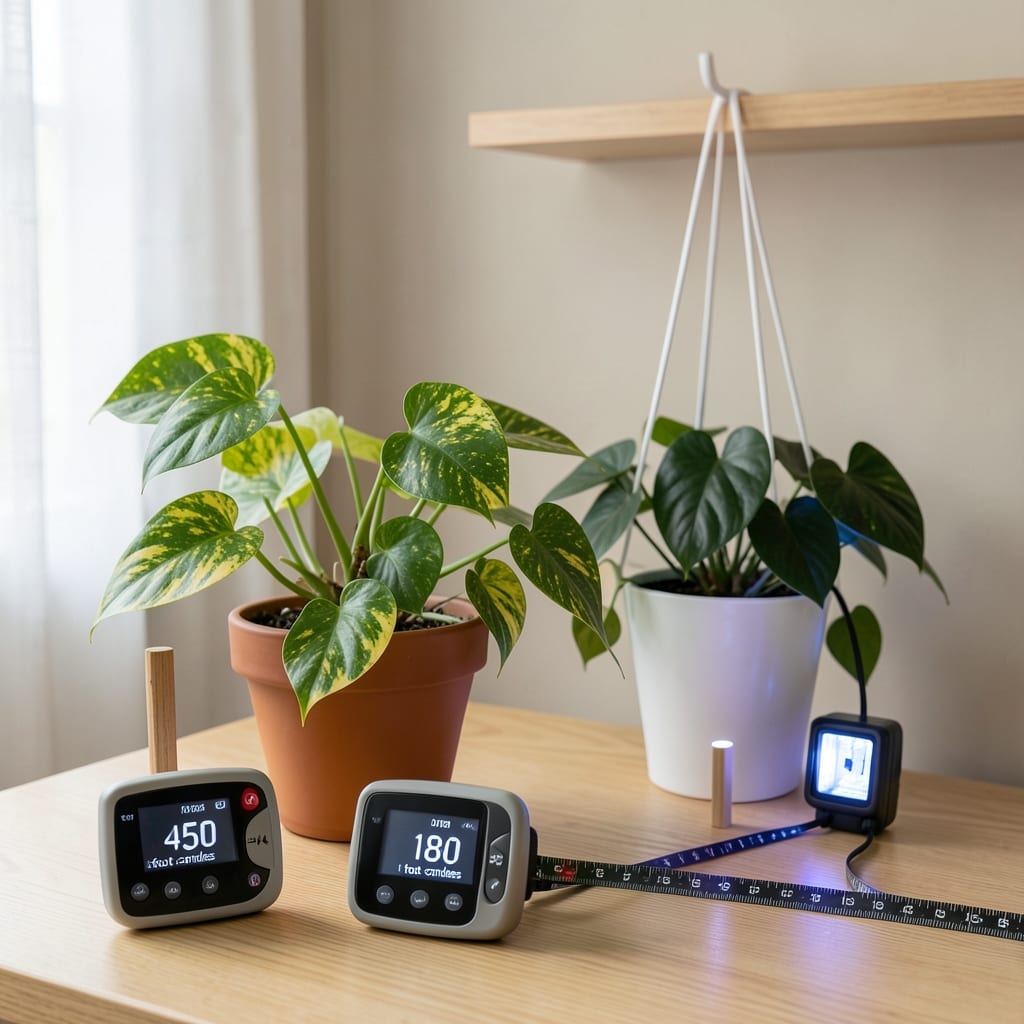
Wondering how much light does a pothos plant need to stay vibrant and healthy? You're not alone—this easygoing vine can handle surprisingly flexible light conditions, but getting it right makes all the difference between lush green leaves and sad, yellowing stems.
Pothos 🌿 is famously adaptable, thriving in everything from dim offices to bright, indirect sunlight. The key is understanding its preferences: too little light, and it stretches out leggily; too much direct sun, and those gorgeous leaves can burn. Let me show you exactly how to strike the perfect balance for your plant's happiness.
Whether you're dealing with a north-facing window or fluorescent office lighting, I'll break down the ideal light spectrum and how to adjust your setup for optimal growth. You'll also learn to spot the subtle signs when your pothos is begging for more (or less) light.
Ready to transform your pothos from struggling survivor to thriving showstopper? Let's dive into the light requirements that will have your plant reaching for the sky—literally—in no time.


Pothos light requirements: the ideal spectrum for healthy growth
Pothos plants 🌿 are famous for their adaptability, but finding the right balance of light exposure is key to unlocking their full potential. Unlike high-maintenance plants, pothos can handle a wide range of conditions—but knowing the ideal spectrum helps prevent common issues like yellow leaves or leggy growth.
The perfect light range for pothos falls between low to bright indirect light, roughly equivalent to 100-2,000 foot-candles of illumination. This means they thrive under fluorescent office lights, near north-facing windows, or in rooms with filtered sunlight. Direct sunlight, especially midday rays, can scorch their delicate leaves.
Here’s how different light levels affect your pothos:
| Light Level | Foot-Candles | Growth Effect | Signs of Stress |
|---|---|---|---|
| Low Light | 100-500 | Slow growth, leggy stems | Pale leaves, sparse foliage |
| Medium Light | 500-1,000 | Balanced growth, vibrant leaves | Healthy green color |
| Bright Indirect | 1,000-2,000 | Faster growth, darker leaves | Burn spots near edges |
| Direct Sun | 2,000+ | Stunted growth, leaf damage | Brown patches, crispy edges |
In low-light conditions, pothos will stretch toward any available light source, creating long, weak stems with sparse leaves. This is their way of reaching for more energy, but it’s a sign your plant needs a brighter spot. Rotate the pot every few weeks to encourage even growth if this happens.
On the flip side, too much direct sunlight causes the leaves to yellow or develop brown, crispy patches. If you notice these signs, move your pothos to a spot with filtered light or use a sheer curtain to diffuse harsh rays. East-facing windows are ideal because they provide gentle morning light without the intensity of midday sun.
For variegated varieties like Marble Queen, slightly more light (closer to bright indirect) helps maintain their striking patterns. Without enough light, the white or yellow variegation can fade, leaving you with a dull green vine. If your pothos looks lackluster, try moving it a few feet closer to a window or supplementing with a grow light.
Pro tip: Fluorescent or LED grow lights are perfect for pothos if natural light is limited. Place the light 6-12 inches above the plant and provide 12-14 hours of light per day to mimic a full growing cycle. This setup works wonders for office plants or spaces with minimal windows.
Pay attention to your pothos’s leaves—they’re the best indicator of its light needs. Healthy leaves should be a rich, vibrant green with no yellowing or browning. If you see these changes, adjust the light exposure gradually to avoid shocking the plant.
Remember, pothos are resilient, so don’t stress if you can’t provide perfect conditions. Even in low-light offices, they’ll survive—but they’ll truly thrive when given the right balance of indirect light. With these guidelines, your pothos will reward you with lush, trailing vines that bring life to any space. 🌿
How to adjust your home’s lighting for a thriving pothos
Now that you know the ideal light spectrum for your pothos, let’s tackle the practical side: how to optimize your home’s lighting for maximum plant happiness. The good news? Pothos are incredibly adaptable, but a few strategic adjustments can make all the difference between a struggling plant and a vibrant, trailing beauty. Start by assessing your space—most homes fall into one of three lighting scenarios: low-light offices, moderate natural light, or bright, sunlit rooms.
If your pothos lives in a low-light office, fluorescent or LED grow lights are your best friends. These lights mimic natural sunlight and can be placed just 6-12 inches above the plant. Aim for 12-14 hours of light per day to keep your pothos thriving, even in windowless rooms. For extra convenience, use a timer to automate the lighting schedule—your plant will thank you with lush, healthy growth.
⚠️ Warning: Avoid These Lighting Mistakes!
- Direct sun exposure: Even a few hours of harsh afternoon sun can scorch leaves. Use sheer curtains to diffuse light if needed.
- Sudden light changes: Moving your pothos from dim conditions to bright sunlight overnight can shock the plant. Adjust gradually over 1-2 weeks.
- Overhead grow lights: Position lights at plant height, not directly above. This prevents leaf burn and encourages even growth.
For homes with moderate natural light, window placement is everything. East-facing windows provide gentle morning light, perfect for pothos, while west-facing windows can offer too much intense afternoon sun. If you have a south-facing window, place your pothos at least 3 feet away to avoid direct rays. A north-facing window is ideal—it offers consistent, gentle light without the risk of overheating.
In bright, sunlit rooms, the key is creating a filtered light environment. Sheer curtains or a sheer panel between your pothos and the window can diffuse harsh rays while still allowing plenty of light. If your plant starts showing signs of stress—like brown patches or crispy edges—immediately move it to a spot with indirect light. Remember, pothos can recover from minor light adjustments, but drastic changes should be made slowly to avoid shocking the plant.
Pro tip: Rotate your pothos every 2-4 weeks to ensure even growth. Plants naturally lean toward light sources, so turning the pot helps maintain a bushy, balanced shape. This is especially important if your pothos is near a window—its vines will stretch toward the light, creating uneven growth if left unchecked.
Finally, don’t forget to monitor your pothos’s leaves for subtle cues. Healthy leaves should be a rich green with no yellowing or browning. If you notice new growth looking pale or stretched, it’s time to move your plant closer to a brighter spot. Conversely, if leaves develop brown edges or crispy spots, it’s a sign of too much direct light—time to relocate to a shadier area. With these adjustments, your pothos will thrive in almost any lighting condition, bringing life and greenery to your home. 🌿