
Plants
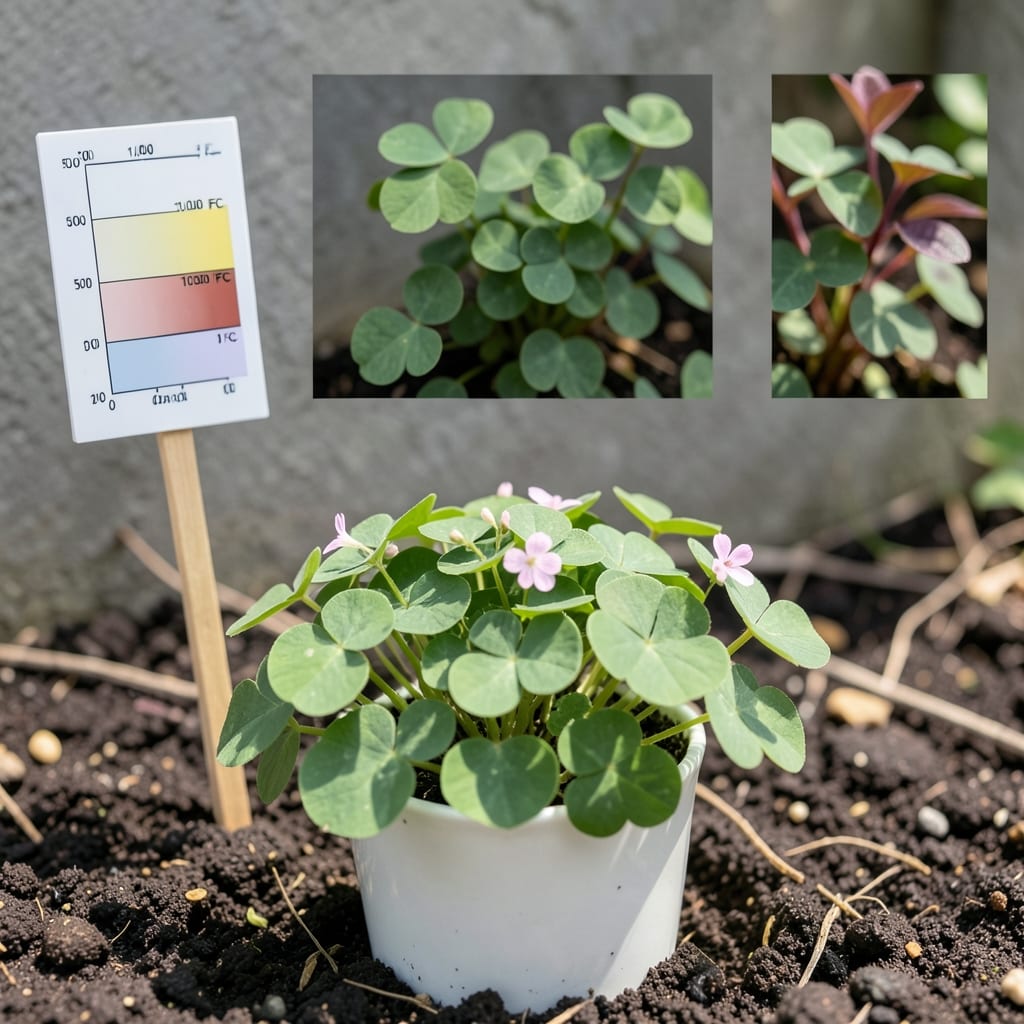
If your 🍀 shamrock plant does need how much light to thrive, the answer might be simpler than you think—it’s all about finding the right balance. Getting it right isn’t just about placing it near a window; it’s about understanding how much light your shamrock truly needs to stay vibrant and healthy.
Too little light, and your plant will stretch out weakly, searching for rays. Too much direct sun, and those delicate leaves can crisp up faster than you’d expect. The key lies in finding that sweet spot where your shamrock gets just enough brightness to flourish without getting stressed.
Whether you’re growing your shamrock indoors or outdoors, I’ll break down exactly how many hours of light it needs, where to place it for optimal growth, and how to spot when it’s not getting the right conditions. Let’s make sure your shamrock stays lush and happy all season long.
You’ll also discover how to adjust care based on your space—whether it’s a bright kitchen window or a shadier corner. By the end, you’ll know exactly how to give your shamrock the perfect light environment for strong, healthy growth.


Optimal light requirements for shamrock plant growth: bright indirect sunlight explained
Shamrock plants (Oxalis spp.) thrive in bright indirect sunlight, making them perfect for east-facing windows or lightly shaded outdoor spots. Unlike sun-loving plants, they can’t handle harsh afternoon rays, which often cause leaf scorch. Aim for 4-6 hours of filtered light daily—this mimics their natural habitat in wooded areas.
Direct sunlight for more than 2-3 hours can bleach leaves or turn them crispy, while too little light causes leggy growth and pale foliage. The key is finding that sweet spot where your shamrock gets enough light to photosynthesize but stays protected from intense rays.
For indoor growers, place your shamrock within 3 feet of an east-facing window—this provides gentle morning light without the harsh afternoon heat. If your home lacks natural light, consider a grow light with a cool white spectrum for 6-8 hours daily to supplement.
Outdoor shamrocks love dappled shade under trees or on patios with afternoon shade. They’re hardy in USDA zones 6-10, but in hotter climates, afternoon shade is a must to prevent stress. Even a sheer curtain can diffuse light enough to keep leaves lush and green.
Here’s a quick breakdown of what your shamrock needs:
| Condition | Specification |
|---|---|
| Light Type | Bright indirect (e.g., east window, filtered sun) |
| Daily Duration | 4-6 hours of light |
| Direct Sun Tolerance | Max 2-3 hours/day (morning only) |
| Indoor Placement | 3 feet from east window or under grow lights |
| Outdoor Location | Dappled shade (under trees, partial shade) |
If your shamrock starts showing signs of stress—like yellowing leaves or stretched stems—it’s likely not getting the right light balance. Rotate the pot every few weeks to ensure even growth, and avoid placing it near drafty windows or air vents, which can further stress the plant.
For fastest growth, aim for morning sun and afternoon shade year-round. In winter, when natural light dims, supplement with a LED grow bulb to maintain the plant’s energy levels. This mimics the longer daylight hours shamrocks naturally experience in spring and summer.
Remember, shamrocks are adaptable but finicky about light. Once you nail the bright indirect sunlight balance, you’ll see vibrant green leaves and even more of those lucky four-leaf clovers popping up! 🍀
Optimal light requirements for shamrock plant growth: bright indirect sunlight explained
Shamrock plants (Oxalis spp.) thrive best with bright indirect sunlight, mimicking their natural woodland habitat. This means they need 4-6 hours of filtered light daily, which prevents the harsh effects of direct midday sun while ensuring enough energy for photosynthesis. Think of it like a gentle morning glow rather than intense afternoon rays.
Position your shamrock near an east-facing window where it receives soft sunlight during morning hours, avoiding the harsh afternoon sun that can scorch delicate leaves. If you notice leaves turning pale or stretching toward the light, it’s a clear sign your plant needs more illumination—but not direct sun.
Outdoors, place your shamrock in a spot with dappled shade, like under a tree canopy or on a patio with partial sun exposure. This protects the leaves from UV damage while still providing the light energy needed for vibrant growth. Too much direct sun can cause crispy brown edges, while too little leads to weak, leggy stems.
| Light Condition | Daily Duration | Ideal Placement | Signs of Correct Light |
|---|---|---|---|
| Bright Indirect | 4-6 hours | East-facing window or dappled shade | Deep green leaves, compact growth |
| Direct Sun | More than 6 hours | South/west windows or full sun | Brown leaf tips, crispy edges |
| Low Light | Less than 4 hours | North-facing window or deep shade | Pale leaves, leggy stems |
If your shamrock isn’t getting enough natural light, consider supplementing with a grow light for 6-8 hours daily. LED grow lights with a cool white spectrum are ideal for mimicking sunlight without overheating the plant. Place the light 6-12 inches above the foliage and adjust the height as the plant grows to maintain consistent light exposure.
For indoor growers, rotate your shamrock plant quarter-turns weekly to ensure even light exposure on all sides. This prevents uneven growth and helps the plant develop a full, bushy appearance. A simple habit like this can make a world of difference in the long-term health of your shamrock.
Remember, shamrocks are adaptable but finicky about light balance. The key is to observe and adjust—if the leaves start looking stressed, tweak the placement or light source until you find that sweet spot. With the right light, your shamrock will reward you with lush, vibrant foliage all season long! 🌿