
Light Requirements
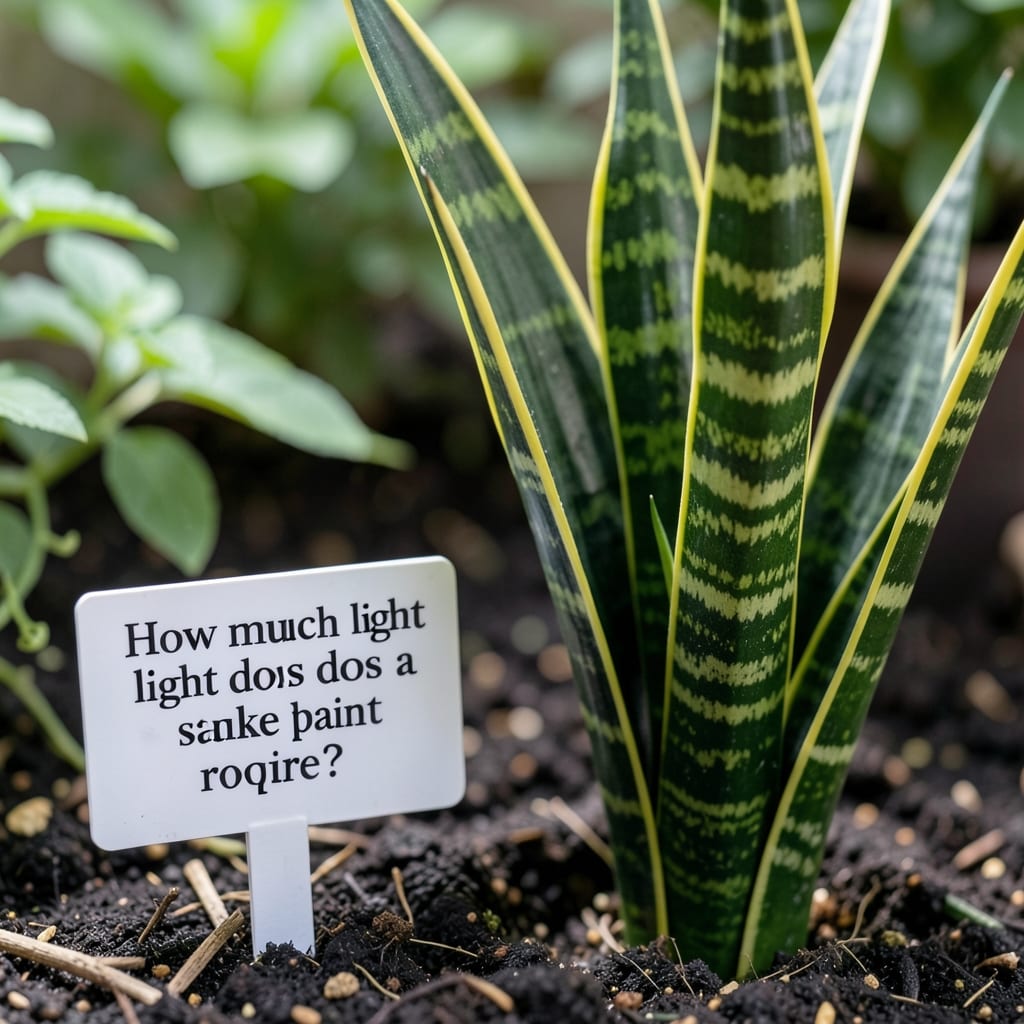
Ideal light requirements for snake plants: low to bright indirect sunlight explained
Snake plants (Sansevieria trifasciata) are famous for their resilience, but their light needs are often misunderstood. Unlike sun-loving succulents, they thrive in low to bright indirect light, making them perfect for homes with limited sunlight. Too much direct sun causes leaf scorch, while too little slows growth and weakens the plant. Let’s decode the perfect light balance to keep your snake plant lush and healthy.
In nature, snake plants grow under dappled forest light, which mimics the bright indirect sunlight ideal for indoor cultivation. This means they can handle 2-4 hours of filtered light per day, but avoid harsh midday rays. North-facing windows provide the safest light, while east or west windows work too—just keep the plant 3-5 feet away to prevent overexposure.
| Light Condition | Ideal Placement | Signs of Correct Light |
|---|---|---|
| Low Light (100-500 foot-candles) | North-facing window, 6+ feet away; offices with fluorescent lighting | Dark green leaves, slow but steady growth |
| Medium Light (500-1,000 foot-candles) | East/west windows, 2-5 feet away; bright living rooms | Vibrant green/yellow variegation, healthy upright growth |
| Bright Indirect (1,000-2,000 foot-candles) | 3-5 feet from south-facing windows with sheer curtains | Deep green leaves, occasional new growth |
| Direct Sun (2,000+ foot-candles) | South-facing windows without filters; outdoors in full sun | Brown/yellow leaf tips, crispy edges, bleached patches |
If your snake plant is in low-light conditions, it may grow slowly with dark green leaves. This isn’t harmful—it’s just conserving energy. However, if leaves turn pale or stretch toward the light, it’s time to move the plant closer to a brighter spot. The goal is balanced growth, not rapid expansion.
For bright indirect light, aim for morning sun and afternoon shade. South-facing windows are tricky—use a white sheer curtain to diffuse light and prevent leaf burn. Even with filters, avoid placing the plant directly in the sun’s path during peak hours (10 AM–4 PM). If you notice yellow patches or white streaks, the light is too intense.
Snake plants are photosynthetically efficient in low light, but they still need some brightness to produce energy. Without enough light, they’ll grow leggy and weak, with long stems and sparse leaves. Rotate the pot quarter-turns every 2 weeks to ensure even light exposure on all sides, preventing lopsided growth.
Pro tip: Test your plant’s light conditions by observing its leaves. Healthy leaves should be upright, firm, and uniformly colored. If you see dark green with purple undertones, it’s craving more light. If leaves are bright yellow-green with crispy edges, it’s getting too much sun. Adjust gradually—snake plants respond best to slow changes in their environment.
Remember, snake plants are not low-maintenance because they tolerate neglect—they thrive when given the right conditions. With the ideal 2-4 hours of bright indirect light daily, your plant will reward you with bold foliage and minimal care. Even in dim corners, it’ll survive, but it won’t reach its full potential. Give it a little love, and it’ll flourish for years.
How to adjust light conditions for snake plants in different environments
Your snake plant’s light needs can shift dramatically depending on where you place it—whether it’s a dim office corner, a bright sunroom, or even outdoors. The key is flexibility. Snake plants are adaptable, but they still need the right balance to avoid stress. Let’s break down how to tweak light conditions for every space in your home or garden.
In low-light apartments, place your snake plant near a north-facing window where it can catch 2-4 hours of indirect light daily. If even that’s too much, move it 4-6 feet away from the window. These plants can survive in artificial lighting too, like fluorescent bulbs, but rotate the pot every few weeks to prevent lopsided growth.
For bright sunrooms, snake plants can handle up to 4-6 hours of indirect light, but direct midday sun will scorch their leaves. Use a DIY light filter by draping a white sheer curtain over the window—this diffuses light while still allowing plenty of brightness. If you notice yellow or brown leaf tips, it’s a sign the light is too intense.
If you’re growing your snake plant outdoors, start slow. Begin with just 1-2 hours of morning sun and monitor for stress signs like crispy edges or bleached patches. Over 2-3 weeks, you can gradually increase exposure to 3-4 hours of filtered sun per day. Avoid placing it in full sun—even in partial shade, the leaves can develop sunburn.
Seasonal changes mean your snake plant’s light needs will shift too. In winter, when daylight is shorter, move the plant closer to a window or supplement with a grow light. In summer, when the sun is stronger, position it further from windows or use a light filter to prevent overheating. Rotate the pot quarter-turns every 2 weeks to ensure even growth.
Pro tip: If your snake plant starts to stretch or lean, it’s begging for more light. Conversely, if the leaves turn dark green and rubbery, it’s getting too much. Adjust gradually—snake plants hate sudden changes! With the right tweaks, your plant will thrive in almost any spot, from dim offices to sunny patios.