
Light Requirements
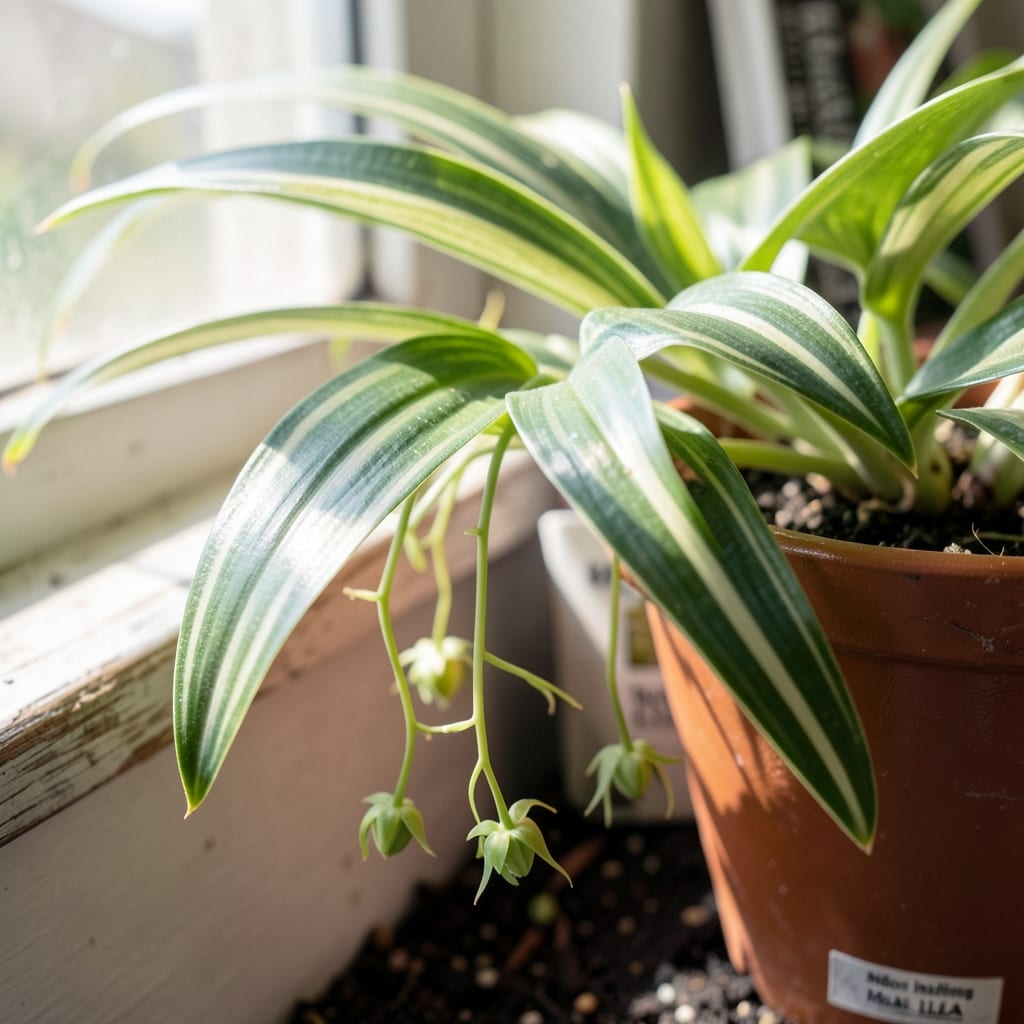
If you’ve ever wondered how much light does a spider plant need indoors, you’re not alone. Watching your 🕷️ Spider Plant stretch toward the window like a sleepy cat reaching for sunlight is a common sight, but the truth is, these hardy plants thrive in bright indirect light. Too much direct sun can turn their leaves crispy faster than toast in a toaster, while too little leaves them looking sad and leggy. Getting the balance right isn’t just about placing them near a window—it’s about understanding how many hours of light they really need to stay lush and happy. Most people assume their Spider Plant is fine as long as it’s near a window, but that’s where the confusion starts. These plants actually prefer 4 to 6 hours of filtered light per day, which means south-facing windows can be too harsh unless you create some distance. The key is mimicking their natural habitat under dappled forest light—something many of us overlook when setting up our indoor jungle. What happens when you get it wrong? Too little light, and your plant will grow leggy and sparse, while too much can scorch those beautiful striped leaves. In this guide, I’ll break down exactly how to spot the signs of light stress and adjust your setup—whether you’re dealing with a dim corner or a sun-soaked kitchen. Let’s turn those guesses into a foolproof routine for a thriving 🕷️ Spider Plant. Ready to stop playing light roulette with your plant? I’ll walk you through the exact light conditions your Spider Plant craves, plus clever workarounds for homes that don’t get much natural light. No more brown tips or sad, stretched-out leaves—just vibrant growth that’ll make your space feel alive.
 Best Window Placement
Optimal light requirements for spider plants: exact hours and intensity
Your 🕷️ Spider Plant thrives best with bright indirect light—think morning sun filtered through sheer curtains or a few feet back from an east-facing window. The magic number? Aim for 4-6 hours of gentle light daily, but never harsh midday rays. Too little light leads to weak, stretched growth, while too much causes crispy brown edges. Let’s break down the exact light conditions your plant craves.
Indoor lighting varies wildly by room, so I’ll map out the ideal light intensity for each scenario. A lux meter (or even your phone’s light sensor app) can help measure brightness—ideal ranges are 10,000-25,000 lux for bright indirect light. If your space falls short, don’t panic; we’ll cover grow light solutions later. First, let’s tackle the basics.
The 🕷️ Spider Plant’s light needs can be boiled down to three zones: bright indirect (best for growth), medium indirect (tolerable but slower), and low light (survival mode only). Here’s how to spot which zone your plant is in—and how to adjust it for lush, healthy foliage.
🌱 Pro Tip: Rotate your plant quarter-turn weekly to ensure even light exposure. Uneven growth (like all leaves leaning one way) is a dead giveaway your plant is stretching toward a light source.
🌱 Spider Plant Light Requirements Summary
| Light Condition | Ideal Hours/Day | Lux Range | Best Window Placement | Growth Impact |
|---|---|---|---|---|
| Bright Indirect | 4-6 hours | 10,000-25,000 lux | East or North window, 2-3 ft back | Vibrant growth, compact leaves |
| Medium Indirect | 2-4 hours | 5,000-10,000 lux | South window, 4-5 ft back or West window | Slower growth, leggy stems |
| Low Light | <1-2 hours | <5,000 lux | North-facing room, no direct light | Survival only, weak growth |
If your 🕷️ Spider Plant is in the medium indirect zone, it’ll survive but won’t thrive. You’ll notice slower growth and stems stretching toward the nearest light source—a classic sign of etiolation. To fix this, move your plant closer to a brighter window or supplement with a 10W LED grow light for 6-8 hours daily. Trust me, the difference in foliage density is night and day.
For low-light conditions, your plant is essentially in survival mode. While it won’t die outright, you’ll see pale, sparse leaves and minimal baby spiderettes (those adorable offspring!). In these cases, a grow light isn’t just helpful—it’s essential. Even a simple fluorescent bulb placed 12 inches above the plant can make a dramatic difference in just a few weeks.
💡 Light Hack: Place your 🕷️ Spider Plant on a white or light-colored surface (like a table or shelf) to reflect up to 30% more light onto the leaves. This is a game-changer for dim corners or rooms with minimal natural light.
Now, let’s talk about the biggest mistake I see with Spider Plants: assuming all indirect light is equal. A west-facing window might seem like a safe bet, but the afternoon sun can still be too intense, especially in summer. If you notice brown crispy edges on leaves, it’s a clear sign your plant is getting too much direct light—even if it’s filtered. Move it back 6-12 inches or use a sheer curtain to diffuse the light.
Finally, don’t overlook the seasonal shift in light intensity. Winter sunlight is 30% weaker than summer light, so your plant’s ideal spot in June might be too dark in December. Monitor your plant’s leaves closely—if they start looking paler or more spaced-out, it’s time to adjust its location or add a grow light.
With these light guidelines, your 🕷️ Spider Plant will grow vibrant, compact, and full of life—no more struggling stems or sad yellowing. Next, we’ll tackle the telltale signs your plant isn’t getting the right light, so you can fix issues before they become serious.
Optimal light requirements for spider plants: exact hours and intensity
Spider plants thrive in bright indirect light, but their needs vary based on your home's natural lighting. Aim for 4-6 hours of filtered sunlight daily, which mimics their native under-canopy habitat. Too little light causes leggy growth, while too much direct sun leads to brown leaf tips—neither is ideal for lush foliage.
For precise light measurement, use a light meter (10,000–25,000 lux) near your plant. East-facing windows provide perfect morning light, while north-facing windows offer consistent, gentle exposure. South or west windows can scorch leaves, so place your spider plant 3-4 feet away from these spots.
🌱 Spider Plant Light Requirements Summary
| Light Type | Intensity (Lux) | Daily Hours | Ideal Location |
|---|---|---|---|
| Bright Indirect | 10,000–25,000 | 4–6 hours | East/west window, 3–4 ft away |
| Medium Indirect | 5,000–10,000 | 2–4 hours | North window or 5–6 ft from bright window |
| Low Light | <1,000–5,000 | <2 hours | Grow lights or far from windows (supplement with LED) |
If your home lacks natural light, grow lights are a game-changer. Use cool-white LEDs (6,000K) for 12–14 hours daily, positioned 6–12 inches above the plant. Rotate the pot weekly to prevent uneven growth—this mimics natural light shifts and keeps your spider plant compact and bushy.
Pro tip: Rotate your plant quarter-turns every 2 weeks to ensure even light exposure. This simple trick prevents lopsided growth and encourages fuller foliage. Watch for yellowing leaves on one side—a classic sign of uneven light exposure.
For fastest growth, place your spider plant near a west-facing window during spring/summer, where it gets bright afternoon light without harsh midday rays. In winter, shift it to an east-facing window for gentler morning sun. Adjust based on seasonal light changes—your plant will thank you with vibrant variegation and longer "spiderettes."
Remember: Indirect light is key. Direct sun causes crispy edges, while dim corners lead to weak, stretched stems. Balance is everything—like Goldilocks, your spider plant wants it just right!