
Light Requirements
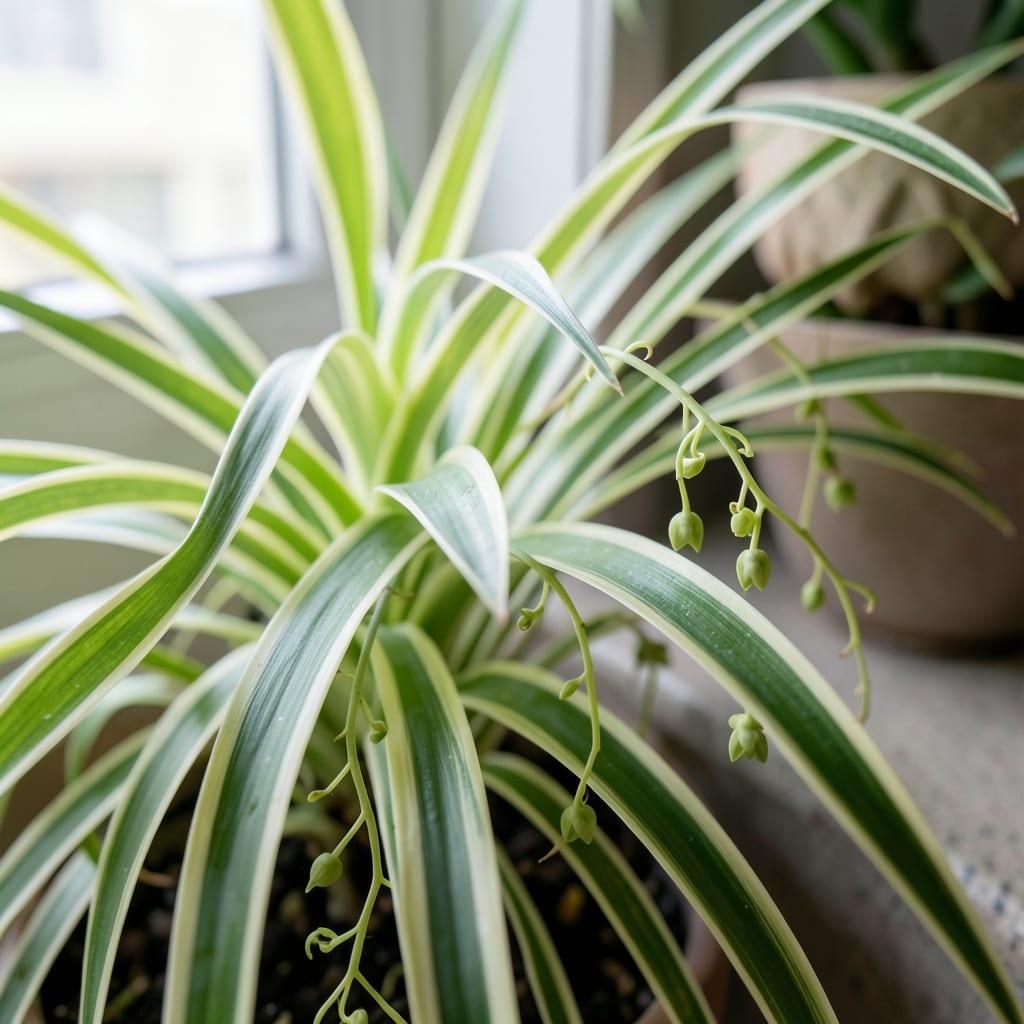
If you’ve ever wondered how much light does a Spider Plant 🌿 need? to thrive—despite being one of the hardiest houseplants around—the answer might surprise you. The key isn’t complicated: these plants thrive in conditions that would leave other greenery gasping for air, from dim corners to bright, indirect sunlight.
Here’s the secret: Spider Plants are masters of adaptability, but they do have preferences. Too little light, and they’ll stretch out like they’re reaching for a sunbeam. Too much direct sun, and those lush leaves can turn crispy at the edges. The sweet spot? Bright, filtered light that mimics their natural understory habitat in South Africa.
What makes this even better? You don’t need a greenhouse or a perfect south-facing window. Whether you’re working with a 6a zone** apartment or a cozy kitchen nook, I’ll show you exactly where to place your plant for year-round success—no guesswork required.
Ready to turn your Spider Plant into the thriving centerpiece of your space? Let’s break down the light conditions that’ll keep it happy, healthy, and full of those signature striped leaves you love.

Spider plant light requirements: ideal spectrum for healthy growth
If you’ve ever wondered how much light does a spider plant need, you’re not alone. These resilient plants are famous for thriving in conditions where others fail—but that doesn’t mean they’re completely low-maintenance. Spider plants (Chlorophytum comosum) adapt to low-light spaces, but their growth, color, and even blooming depend heavily on the right balance of light. Let’s break down the ideal spectrum to keep yours lush and vibrant.
The key to happy spider plants lies in bright, indirect sunlight. Think of it as their sweet spot: enough light to fuel photosynthesis without the harshness of direct rays. Most houseplants crave 6-8 hours of light, but spider plants are more forgiving, typically needing just 4-6 hours daily. This flexibility makes them perfect for offices, bathrooms, or rooms with limited natural light.
Here’s where things get interesting: spider plants have two main foliage types—solid green and variegated (striped). Variegated varieties, with their striking white or yellow stripes, need slightly more light to maintain their patterns. Without enough light, those stripes fade, and the leaves revert to plain green. It’s like their way of saying, “I need a little more to show off my colors!”
Now, let’s talk about what happens when they don’t get the right light. Too little light leads to leggy, sparse growth, while too much direct sun causes brown tips and crispy edges. The goal is to strike that balance where the leaves stay plump, vibrant, and full of life. Even a simple adjustment—like rotating your plant every few weeks—can ensure even growth and prevent it from leaning toward the light source.
🌿
Understanding your spider plant’s light tolerance starts with observing its environment. If your home has north-facing windows, you’re in luck—these provide gentle, indirect light perfect for spider plants. South-facing windows, however, can be too intense, especially in the afternoon. In such cases, place your plant 3-5 feet away from the window or use a sheer curtain to diffuse the light.
Seasonal changes also play a role. During winter months, when daylight is shorter, your spider plant might show signs of stretching toward the light. This is its way of compensating for the lack of sunlight. A simple solution? Rotate the pot quarter-turns every week to encourage even growth. If you notice the leaves turning yellow or the plant becoming too leggy, it’s time to move it to a brighter spot or supplement with a grow light for 4-6 hours daily.
For those with variegated spider plants, pay extra attention to their light needs. These beauties require bright indirect light to maintain their striking patterns. Without enough light, the white or yellow stripes will fade, and the plant may lose its visual appeal. If you’re unsure whether your plant is getting enough light, check the undersides of the leaves. If they’re a dull green, it’s a sign they’re not getting the light they crave.
One of the best things about spider plants is their adaptability. Whether you’re in a dimly lit office or a sunroom with plenty of natural light, they’ll adjust—though they’ll always perform best in medium to bright indirect light. The key is to monitor their response and tweak their placement as needed. With the right light, your spider plant will reward you with lush foliage, occasional blooms, and those adorable baby plantlets that make propagation a breeze.
🌱
Signs your spider plant isn’t getting enough (or too much) light
Your spider plant sends clear signals when its light conditions aren’t quite right. Watch for yellowing leaves or brown tips—these are classic signs of light stress. Too little light causes leggy growth, while too much direct sun can scorch delicate foliage. Understanding these cues helps you adjust placement before problems worsen.
Start by checking your plant’s foliage color. Healthy spider plants have vibrant green leaves with subtle variegation. If the leaves turn dull yellow, it’s craving more bright indirect light. This often happens in north-facing rooms or under artificial lighting alone. Move it closer to a window or add a grow light for 4-6 hours daily.
Too Little Light
- ✅ Leggy stems stretching toward light
- ✅ Pale, weak leaves with reduced variegation
- ✅ Slower growth and fewer plantlets
Too Much Light
- ❌ Brown leaf tips from sunburn
- ❌ Crispy edges on foliage
- ❌ Bleached variegation (white/yellow stripes fade)
Variegated spider plants (solid green vs. striped) react differently to light. The striped varieties need slightly more light to maintain their white/yellow patterns. If you notice the stripes fading, rotate the pot quarter-turn weekly for even exposure. Solid green types are more forgiving but still benefit from medium indirect light.
Seasonal changes also affect your plant’s needs. During winter months, shorter daylight hours mean your spider plant may need supplemental light. Place it near a south-facing window or use a LED grow bulb for 6 hours. Conversely, in summer, filter harsh afternoon sun with a sheer curtain to prevent leaf burn.
Don’t ignore subtle signs like drooping leaves or stunted plantlets—these often indicate light deprivation. A quick fix is moving your plant to a bright bathroom or kitchen windowsill, where it can thrive without direct sun. Even a 2-foot rotation toward a window can make a dramatic difference within weeks.
Remember, spider plants are adaptable but thrive in consistent conditions. If you notice multiple symptoms, adjust both light exposure and watering habits—dry soil worsens stress from poor lighting. With the right balance, your plant will reward you with lush foliage and abundant plantlets year-round. 🌿