
Plants
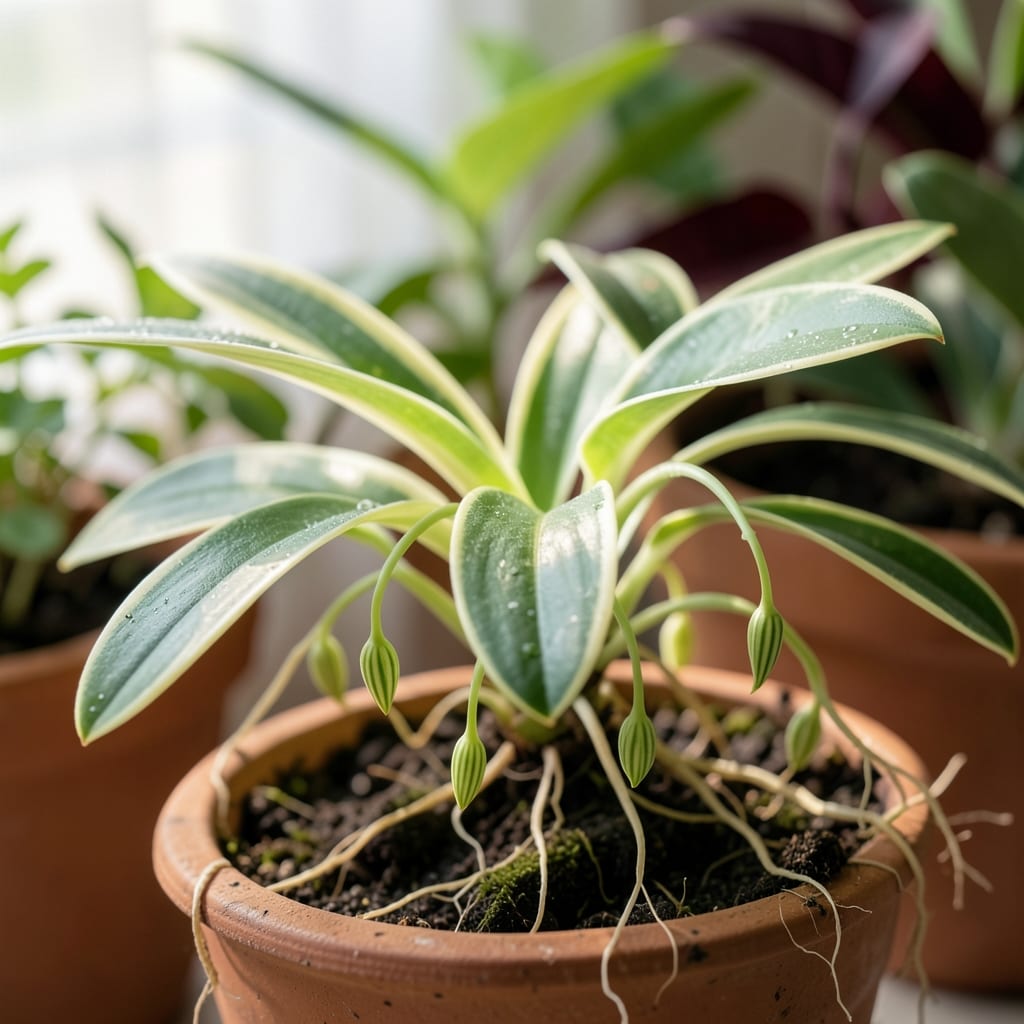
Spider plant light requirements: ideal conditions for healthy growth
The spider plant (Chlorophytum comosum) thrives in bright indirect sunlight, making it perfect for indoor spaces. Unlike sun-loving plants, spider plants hate direct sun exposure, which can scorch their delicate leaves. Their natural habitat in shady forest floors means they’ve adapted to lower light conditions—but not too low! Let’s break down the ideal light spectrum for these hardy plants.
For optimal growth, place your spider plant near a north-facing or east-facing window, where it receives 4-6 hours of filtered light daily. South-facing windows can work too, but you’ll need to filter the light with sheer curtains to prevent leaf burn. If your home lacks natural light, don’t worry—spider plants tolerate low-light conditions better than most houseplants, though they may grow slower or skip flowering.
Photosynthesis efficiency in spider plants peaks under moderate indirect light. Too little light leads to leggy, sparse growth (a sign of stretching toward light), while too much causes brown, crispy tips or yellowing. The key is balance—think of it like Goldilocks: not too hot, not too cold, but just right!
| Light Condition | Ideal Hours/Day | Plant Response | Best Placement |
|---|---|---|---|
| Bright Indirect Light | 4-6 hours | Healthy growth, vibrant leaves, occasional flowers | East/west-facing windows, 2-3 ft away |
| Low Light | 2-4 hours | Slower growth, leggy stems, fewer flowers | North-facing windows, interior rooms |
| Direct Sunlight | >6 hours | Brown leaf tips, scorched patches, weak growth | Avoid south-facing windows without filters |
If you’re unsure about your home’s light levels, observe your spider plant’s leaves for clues. Dark green, firm leaves mean it’s happy, while pale or yellowing leaves signal insufficient light. Brown edges or white patches? That’s a cry for shade. Pro tip: Rotate your plant quarter-turns every 2 weeks to ensure even light exposure on all sides.
Outdoor enthusiasts can move spider plants outside during spring and summer, but avoid harsh afternoon sun. A shady patio or dappled sunlight under a tree is ideal. Just
For those in apartments or offices with limited natural light, LED grow lights (12-14 hours/day) can mimic ideal conditions. Place the light 6-12 inches above the plant and adjust the height as it grows. Even a simple fluorescent bulb can work in a pinch, though it won’t replace natural light entirely.
One common misconception is that spider plants can thrive in complete darkness. While they’re more tolerant than many houseplants, they’ll eventually stop growing and may develop pale, weak stems. Think of them as the Goldilocks of houseplants: they’re flexible but not invincible. Aim for at least 2-3 hours of indirect light daily to keep them thriving.
Fun fact: Spider plants produce oxygen at night, making them excellent for bedrooms! Just ensure they get enough light during the day to fuel their nighttime oxygen boost. Pair this with moderate watering (let the top inch of soil dry out), and you’ve got a low-maintenance, air-purifying powerhouse.
How to adjust your home’s lighting for a thriving spider plant
Your spider plant’s light needs can change based on your home’s layout and seasonal shifts. The key is creating a consistent balance—too little light leads to weak growth, while too much causes leaf burn. Start by assessing your room’s natural light and making small adjustments to keep your plant happy year-round.
For east-facing windows, your spider plant will receive gentle morning sun—perfect for its needs. If your plant is near a south-facing window, use a sheer curtain to diffuse the harsh afternoon rays. North-facing windows provide steady, soft light, ideal for these adaptable plants.
🌱
- 🕷️ Rotate weekly: Turn your plant ¼ turn every 7 days for even light exposure on all sides.
- 🪴 Use reflective surfaces: Place a mirror or white shelf near the plant to bounce extra light onto its leaves.
- ☀️ Supplement with grow lights: For low-light rooms, use a 12-inch LED grow light 10-12 hours daily (affordable options under $30).
- 🌿 Adjust seasonal placement: Move your plant closer to a window in winter when daylight fades, then back 1-2 feet in summer to prevent scorching.
- 📋 Test light levels: Hold your hand near the plant—if you can’t see your shadow clearly, the light is too dim.
If your home lacks natural light, artificial grow lights become your best friend. Opt for full-spectrum LED bulbs (like the GE Grow Lights or Mars Hydro TS 1000) that mimic sunlight. Position the light 6-12 inches above your spider plant and keep it on for 12-14 hours daily to mimic natural daylight cycles.
For low-light offices, group your spider plant with other light-loving plants like snake plants or ZZ plants. These companions can help create a microclimate with slightly better light conditions. Just avoid placing them near drafty windows or air conditioning vents, which can stress the leaves.
Seasonal changes demand proactive adjustments. In winter months, when daylight is scarce, supplement with a timed grow light or move your plant to a sunroom or conservatory if available. Conversely, in summer’s peak sun, use blinds or curtains to filter intense rays and prevent leaf tip burn.
🌿