
Light Requirements
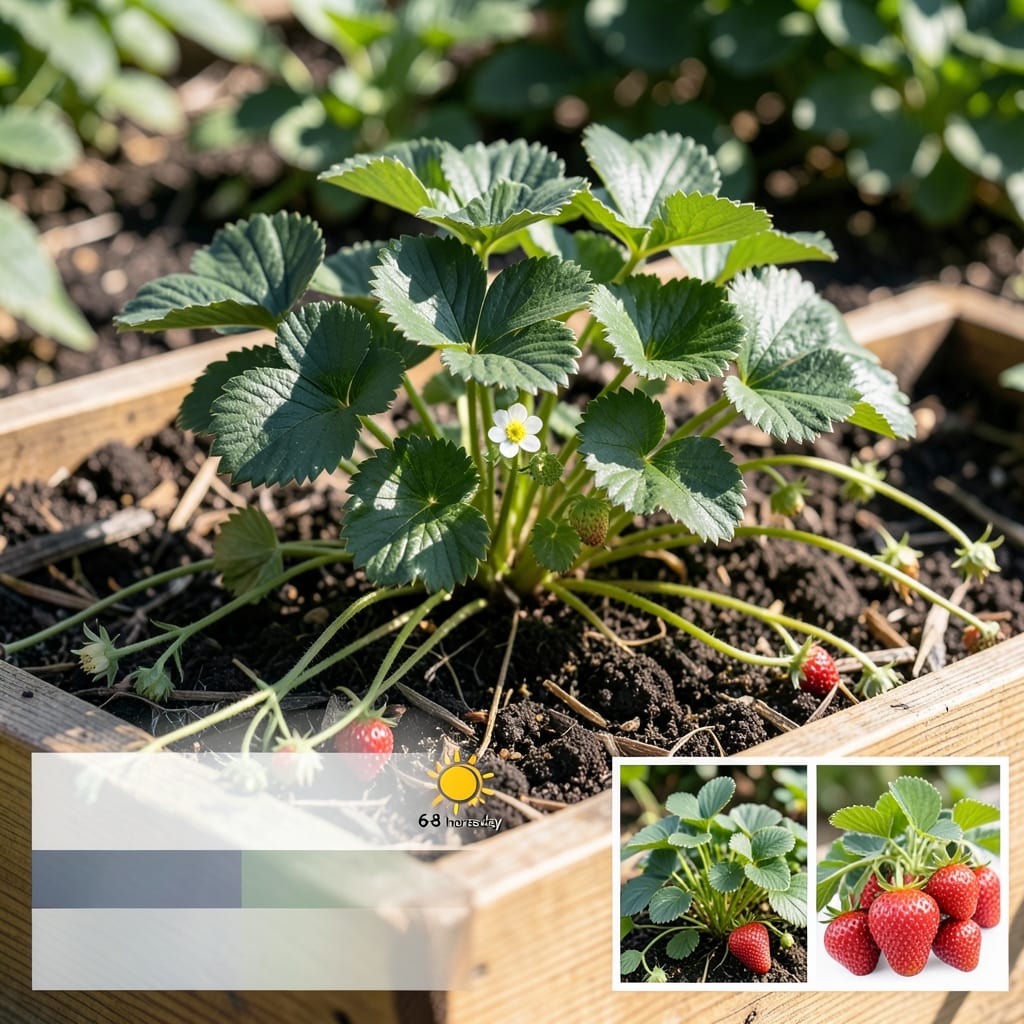
The secret to juicy, sweet strawberries isn't just good soil—it's how much light does a strawberry plant need to thrive. Strawberry plants thrive when they bask in 6 to 10 hours of sunlight daily, but too little can leave you with tiny, bland berries or no harvest at all. Whether you're growing 🍓 in containers or garden beds, understanding their sunlight requirements is the key to a bountiful crop.
Most gardeners assume strawberries can handle partial shade, but that's where the real struggle begins. Without enough light, your plants will stretch toward the sun, producing fewer—and less flavorful—berries. I’ve seen firsthand how a few extra hours of sunlight can transform a struggling patch into a sweet, productive harvest. The good news? Even small adjustments can make a big difference.
In this guide, I’ll break down exactly how much sunlight strawberries need, how to spot when they’re not getting enough, and the best ways to maximize their light—whether you’re working with a sunny garden plot or a shady balcony. You’ll learn how to position your plants for success, troubleshoot common light issues, and even boost fruit sweetness with the right exposure.
Ready to turn your strawberry patch into a sun-powered sweet spot? Let’s dive into the light requirements that will change your harvest forever.


Optimal sunlight hours for strawberry plants: the science behind sweet fruit
Strawberries are sun-worshippers—they crave 6 to 10 hours of direct sunlight daily to produce sweet, flavorful fruit. Without enough light, your berries will taste bland, grow small, or even fail to ripen. The key lies in understanding how different strawberry varieties (June-bearing, everbearing, and day-neutral) respond to sunlight, and how light affects their growth at every stage.
Light isn’t just about quantity—it’s about quality. Strawberries need full-spectrum sunlight (UV and visible light) to trigger photosynthesis efficiently. Studies show that plants receiving less than 6 hours of sun produce 30% fewer berries with lower sugar content. That’s why positioning matters more than you might think!
Here’s the breakdown: June-bearing varieties (like 'Chandler') thrive with 8-10 hours of sun for maximum yield, while everbearing and day-neutral types (like 'Seascape') can tolerate 6-8 hours but still perform best in full sun. The difference comes down to their natural growing cycles and energy needs.
Light also affects plant health beyond fruit. Strawberries with insufficient sun grow long, leggy stems and weak roots because they stretch toward light, a condition called etiolation. This makes them vulnerable to pests and diseases. Plus, shade-stressed plants allocate energy to survival instead of flowering, reducing your harvest by up to 50%.
Seasonal light changes complicate things. In summer, days are long (14+ hours), but winter brings shorter days (8-10 hours). Strawberries adapt by entering dormancy in winter, but if you’re growing in USDA Zone 7 or warmer, everbearing varieties can produce fruit year-round with consistent light. The trick is to supplement light in winter if growing indoors or in greenhouses.
Soil color plays a sneaky role too. Dark soil absorbs heat and can scorch roots if combined with intense afternoon sun. If your garden has dark, heat-retentive soil, mulch heavily with straw to protect roots while still giving plants full sun exposure. This balance is critical for root health and fruit quality.
Don’t overlook the angle of the sun. Morning sun (cool and gentle) is ideal for strawberries, while hot afternoon sun can burn leaves. In hot climates, dappled shade from 12-3 PM can prevent leaf scorch while still providing enough light for fruit production. This is especially true for everbearing varieties in Zone 8 and above.
One common misconception is that strawberries can thrive in partial shade. While they can tolerate 4-5 hours of sun, the trade-off is smaller berries and lower sugar content. For example, 'Albion' (a day-neutral variety) might produce 20% fewer berries in partial shade compared to full sun. If you’re limited on space, prioritize south-facing containers or raised beds for maximum light exposure.
For container growers, rotate pots weekly to ensure even light distribution. Strawberries grow toward the light, so one side of the plant may become overly leggy if not rotated. This simple habit ensures balanced growth and uniform fruit production across all runners.
🌞 Key Takeaway: Strawberries aren’t just sun-lovers—they’re light-dependent for flavor, yield, and health. Aim for 6-10 hours of direct sun, adjust for your variety, and watch your harvests transform from bland to burstingly sweet!
How to adjust light conditions for maximum strawberry growth
Not all gardens get 6-10 hours of full sun strawberries crave, but that doesn’t mean you’re out of luck. With smart adjustments, you can still grow sweet, productive plants—even in partial shade or containers. The key lies in understanding how to maximize existing light and compensate for deficiencies.
First, assess your space using a sunlight audit. Track how many hours your garden gets direct sun between 10 AM and 4 PM—this is peak photosynthesis time. If you’re under 4 hours of sun, strawberries will struggle, but 4-6 hours can still work with the right techniques. For containers or balconies, south-facing positions are your best bet.
🌱Visual Guide to Light Adjustments🌱
❌ Avoid placing strawberries under deep shade trees or north-facing walls—these spots block critical morning light needed for photosynthesis. Even dappled shade from deciduous trees can reduce yields by 30-50% if not managed properly.
✅ Do use reflective surfaces like white gravel or mirrors to bounce extra light onto plants. In containers, place them on light-colored surfaces (e.g., white paint or mulch) to increase brightness by up to 20%.
Pro Tip: If your strawberries get less than 5 hours of sun, opt for day-neutral varieties like 'Albion' or 'Seascape'—they tolerate shade better than June-bearing types.
For gardens with partial shade, focus on morning sun exposure. Strawberries need direct sunlight between 6 AM and 10 AM to kickstart photosynthesis. If your plants only get afternoon shade, consider pruning nearby trees or relocating them to a sunnier spot. Even 2-3 hours of morning sun can improve yields if paired with drip irrigation timed for peak heat (midday).
Container growers have unique challenges. Black pots absorb heat and can scorch roots, while white or silver containers reflect light and keep roots cooler. Pair containers with light-colored mulch (like straw or white pebbles) to increase brightness by 15-20%. Rotate containers quarter-turns weekly to ensure even light exposure on all sides.
Seasonal adjustments are critical. In summer, strawberries may need afternoon shade to prevent heat stress, but remove shade cloths by late August to maximize light for fall harvests. In winter, everbearing varieties can tolerate less light, but June-bearing types need at least 4 hours of sun to produce next year’s flower buds.
Finally, supplement light with LED grow lights if needed. For indoor or greenhouse setups, use blue spectrum LEDs (6000K-6500K) for 8-10 hours daily. Place lights 6-12 inches above plants and adjust height as they grow. This mimics natural sunlight intensity and can boost yields by up to 40% in low-light conditions.
With these adjustments, even shady gardens can produce sweet, abundant strawberries. Start small—test one technique at a time—and watch your plants thrive! 🌞