
How To
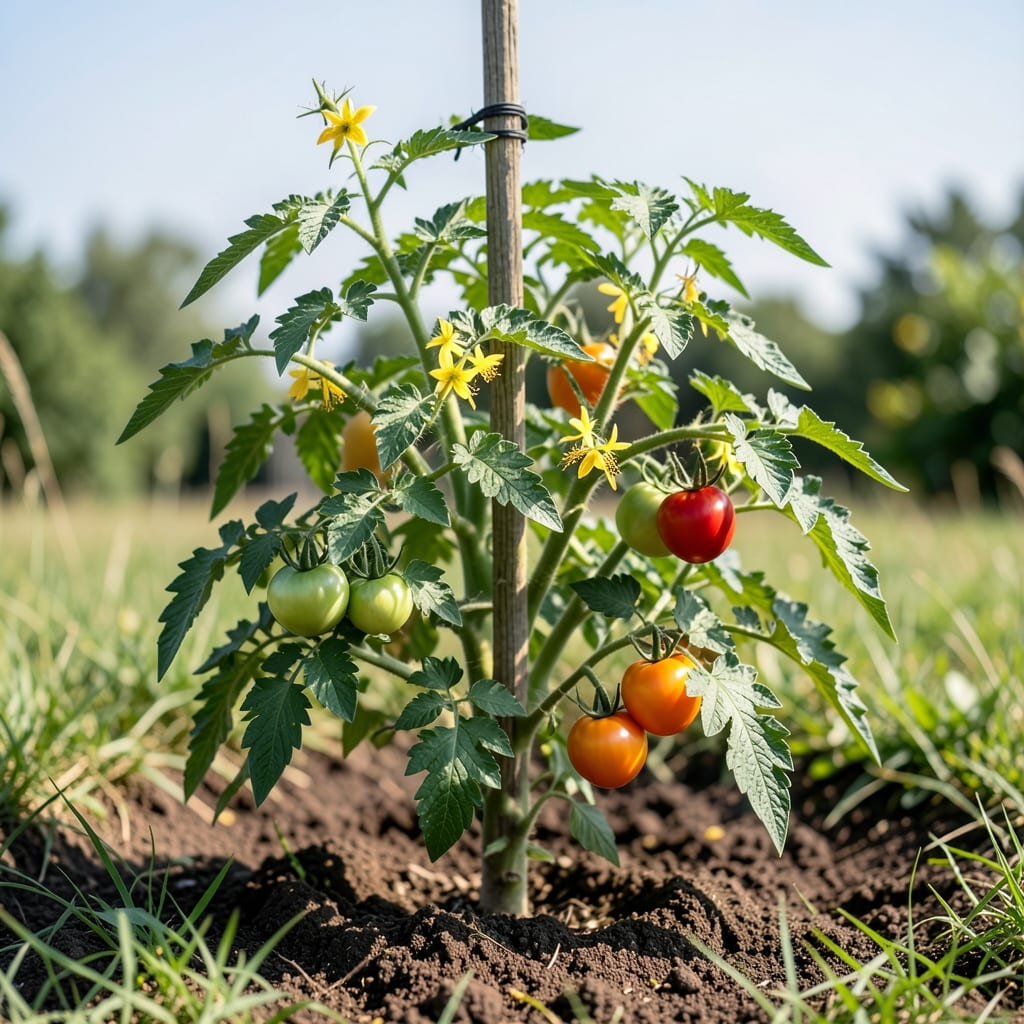
If your 🍅 plants are struggling to thrive, the answer might be simpler than you think—how much light does a tomato plant need to produce vibrant, flavorful fruit? The truth is, tomatoes are sun-worshippers, but getting the balance right can make or break your harvest.
Most gardeners assume more sunlight is always better, but too much or too little can leave your plants weak, leggy, or worse—producing bitter, underripe tomatoes. Whether you're growing in a backyard garden or on a sunny windowsill, understanding the ideal light exposure for each growth stage is the key to a bountiful harvest.
From seedlings to fruiting, tomato plants have different light needs that change as they grow. I’ll break down exactly how many hours of sunlight your 🍅 plants need at every stage, plus what to watch for if they’re not getting enough—or too much—light.
Ready to give your tomato plants the perfect light conditions? Let’s dive into the details so you can grow tomatoes that taste like summer, no matter where you live.


Sunlight requirements for tomato plants by growth stage (seedling to harvest)
Tomato plants are sun-worshippers, but their light needs change dramatically from seedling to harvest. Understanding these shifts helps you avoid leggy seedlings or sunburned fruit. Let’s break down the ideal sunlight hours and intensity for each growth stage, so you can adjust your garden setup accordingly.
For seedlings indoors, start with 12-14 hours of light daily using grow lights. Natural light alone won’t cut it—seedlings stretch toward weak light, creating weak stems that snap easily. Once transplanted outdoors, gradually introduce full sun over 7-10 days to prevent shock.
During vegetative growth (when plants focus on leaf and stem development), aim for 6-8 hours of direct sunlight. This stage is critical for building a strong structure to support future fruit. Morning sun is especially valuable—it warms leaves gently, reducing disease risk from evening moisture.
Flowering and fruiting stages demand 8-10+ hours of full sun daily. This is when tomato plants shift energy from growth to fruit production. Without enough light, flowers may drop, or fruit will develop poorly. In hot climates, afternoon shade can prevent sunburn, but morning sun remains non-negotiable.
Here’s a quick reference for each stage, including adjustments for indoor vs. outdoor cultivation:
| Stage | Sunlight Needs | Intensity | Indoor Adjustments |
|---|---|---|---|
| Seedlings | 12-14 hours | Bright, direct | Grow lights 2-3 inches above |
| Vegetative Growth | 6-8 hours | Full sun | South-facing window + reflectors |
| Flowering | 8-10 hours | Full sun | LED grow lights 12+ hours/day |
| Fruiting | 8-10+ hours | Full sun | Supplemental light in cloudy months |
Outdoor tomato plants thrive in south-facing locations with minimal obstructions. If your garden gets partial shade (e.g., near a fence or tree), prioritize morning sun and use reflective mulch (like white gravel) to bounce extra light onto leaves. For container-grown tomatoes, rotate pots weekly to ensure even light exposure.
In high-heat zones (USDA Zones 9-11), afternoon shade cloth (30-50% shade) can prevent sunburn on fruit while still providing 6+ hours of morning sun. Avoid heavy shade—tomatoes need intense light to develop flavorful fruit. If your plants look pale or leggy, they’re begging for more sun.
Pro tip: Use a sunlight tracker (like a simple timer) to monitor daily light exposure. Tomato plants in northern climates may need early-season grow lights to bridge the gap until summer solstice. Conversely, tropical varieties handle more intense light but still require consistent moisture to prevent stress.
Remember, light quality matters too. Direct sunlight (especially in the blue spectrum) triggers photosynthesis more efficiently than diffused light. If your tomatoes taste bland, it might be a sign they’re not getting enough intense sunlight—not just hours.
Sunlight requirements for tomato plants by growth stage (seedling to harvest)
Tomatoes are sun-worshippers, but their light needs change dramatically from seedling to harvest. Understanding these shifts helps you adjust care for stronger plants and bigger yields. Too little light stunts growth, while too much can scorch leaves—neither helps your tomato harvest.
For seedlings, start with 4-6 hours of indirect light to prevent leggy growth. Once transplanted outdoors, they’ll crave 8+ hours of full sun daily. During flowering and fruiting stages, push that to 10-12 hours for optimal fruit set and ripening.
| Growth Stage | Sunlight Needs | Intensity | Indoor Adjustments |
|---|---|---|---|
| Seedlings | 4-6 hours | Indirect light | Grow lights 12" away |
| Vegetative Growth | 6-8 hours | Full sun | South-facing window |
| Flowering/Fruiting | 8-12 hours | Direct sun | LED grow lights 6" above |
Outdoor tomatoes thrive in south-facing beds with unobstructed sunlight. If your garden gets afternoon shade, prioritize morning sun—it’s less harsh on leaves. For container-grown tomatoes, rotate pots weekly to ensure even light exposure.
Indoor growers face bigger challenges. Use full-spectrum LED grow lights on a 14-16 hour daily cycle during flowering stages. Position lights 2-6 inches above plants, adjusting as they grow. Avoid cheap fluorescent bulbs—they won’t provide enough red/blue light spectrum for fruiting.
Even with perfect light, watch for heat stress when temps exceed 90°F (32°C). Provide afternoon shade cloth (30-50% shade) to prevent sunscald on fruits. This is especially critical for heirloom varieties, which are more sensitive to heat.
For northern climates, extend the season with cold frames or row covers to capture extra sunlight hours. In desert regions, use whitewashed pots to reflect excess heat while maintaining moisture. Both strategies help balance light and temperature for healthier plants.
Remember: Consistency matters more than intensity. A steady 6-8 hours of daily sun beats 12 hours on weekends. Monitor your plants’ progress and adjust light exposure as they grow—your tomato harvest will thank you! 🌱☀️