
Light Requirements
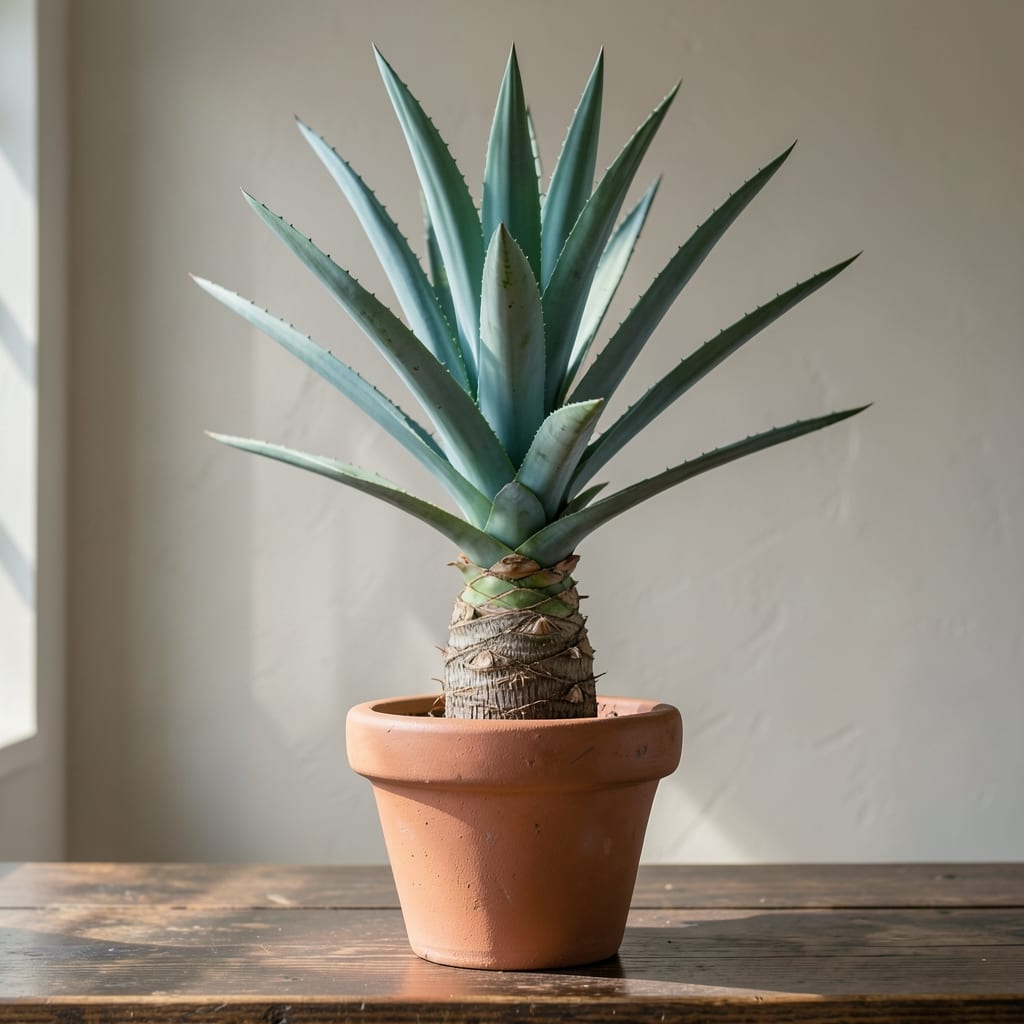
Ideal light requirements for yucca plants: sunlight needs explained
Yucca plants thrive in bright, direct sunlight, making them perfect for sunny gardens or containers. These desert natives need at least 6-8 hours of sunlight daily to maintain their striking foliage and robust growth. Without enough light, yuccas become leggy and weak, while too much intense sun can scorch their leaves. Understanding their light needs is key to keeping them healthy and vibrant.
Outdoor yuccas should be planted in full sun locations with minimal shade. In hot climates, afternoon shade can prevent leaf burn, especially for young plants. If you're growing yuccas in containers, place them where they'll receive unfiltered sunlight for most of the day, like on a sunny patio or balcony. Even a few hours of shade can reduce their growth potential.
For indoor yuccas, the challenge is finding a spot with bright indirect light. South-facing windows are ideal, but east or west windows can work if the plant gets enough light. Avoid north-facing windows, as these provide too little light for yuccas to thrive. If your home lacks natural light, supplemental grow lights can bridge the gap.
| Condition | Requirement | Best Practice |
|---|---|---|
| Outdoor Light | 6-8 hours full sun | Plant in south-facing beds with afternoon shade in hot zones |
| Indoor Light | Bright indirect light | South-facing window or grow lights 12+ inches away |
| Container Light | Full sun exposure | Rotate pots weekly for even growth |
| Seasonal Adjustment | Spring/Summer: Full sun | Fall/Winter: Move indoors near bright windows |
Yuccas are incredibly adaptable to intense sunlight, but they still need some protection during extreme heat. In regions with 100°F+ temperatures, provide afternoon shade to prevent leaf burn. Young yuccas are more sensitive than mature plants, so monitor them closely during their first growing season. If you notice leaves turning yellow or crispy, they may be getting too much direct sun.
When transitioning yuccas between indoor and outdoor spaces, do it gradually. Start by placing them in partial shade for a few hours before moving them to full sun. This acclimation process helps prevent shock and ensures a smoother adjustment. For container-grown yuccas, rotate them weekly to ensure even light exposure on all sides, which promotes balanced growth.
If you're growing yuccas in urban environments with pollution, they may need even more light to compensate for reduced air quality. Pollution can block sunlight, so ensure your yuccas get maximum possible light exposure in these conditions. Additionally, clean their leaves occasionally with a damp cloth to remove dust, which can further reduce light absorption.
For those in cloudy or rainy climates, supplement natural light with artificial sources. LED grow lights designed for succulents and cacti work well, especially if placed 12-18 inches above the plant. Aim for 12-14 hours of light daily to mimic summer conditions. This is particularly important during winter months when daylight is limited.
Remember, yuccas are drought-tolerant but not shade-tolerant. If you notice your yucca stretching toward the light or developing weak stems, it’s a clear sign it needs more sun. On the other hand, crispy or brown leaves indicate too much direct sun. Finding the right balance ensures your yucca stays lush and healthy year-round.
In summary, yuccas are sun lovers that reward you with bold foliage and sturdy growth when given the right light conditions. Whether outdoors in full sun or indoors near a bright window, meeting their light needs is the foundation of successful yucca care. With the right exposure, your yucca will thrive and become a stunning centerpiece in any garden or home.
Ideal light requirements for yucca plants: sunlight needs explained
Yucca plants thrive in bright, direct sunlight, making them perfect for sunny gardens or containers. These desert natives crave 6 to 8 hours of full sun daily—any less, and they’ll stretch awkwardly toward light, while too much can scorch their sharp, sword-like leaves. The key is finding that golden balance where your yucca stays vibrant and healthy.
In outdoor settings, place your yucca in a location with unfiltered sunlight, like a south-facing patio or garden bed. If you’re growing it in containers, rotate the pot occasionally so all sides get even exposure. Yuccas are surprisingly resilient, even in intense midday heat, but young plants may need gradual acclimation to avoid sunburn.
| Condition | Specification |
|---|---|
| Optimal Sunlight | 6–8 hours of direct sunlight daily |
| Minimum Tolerance | 4 hours of bright indirect light |
| Maximum Tolerance | Full sun (10+ hours) with acclimation |
| Indoor Placement | South-facing window with supplemental light |
| Seasonal Adjustment | Move indoors in winter for 4–6 hours of light |
For indoor yuccas, a south-facing window is ideal, but east or west windows can work if supplemented with a grow light for 4–6 hours daily. Avoid north-facing windows, where light is too dim—this often leads to leggy growth and weak stems. If your home lacks natural light, invest in a full-spectrum LED grow light to mimic sunlight and keep your yucca thriving.
One common mistake is assuming yuccas can handle any amount of sun without consequences. While they’re drought-tolerant, their leaves can yellow or brown if exposed to harsh afternoon sun without gradual hardening. Start with morning sun and slowly increase exposure over 1–2 weeks to prevent stress.
In hot climates, yuccas may benefit from partial afternoon shade during peak summer months to prevent leaf scorch. Look for signs like crispy edges or bleached spots—these are clear warnings to adjust placement. Mulching around the base with gravel or pebbles can also reflect extra light while keeping roots cool.
Remember, yuccas are low-maintenance once their light needs are met. With the right sun exposure, they’ll reward you with arching foliage, striking blooms, and minimal fuss. Start with these guidelines, and you’ll have a yucca that’s the star of your garden—not just another struggling houseplant.