
Light Requirements
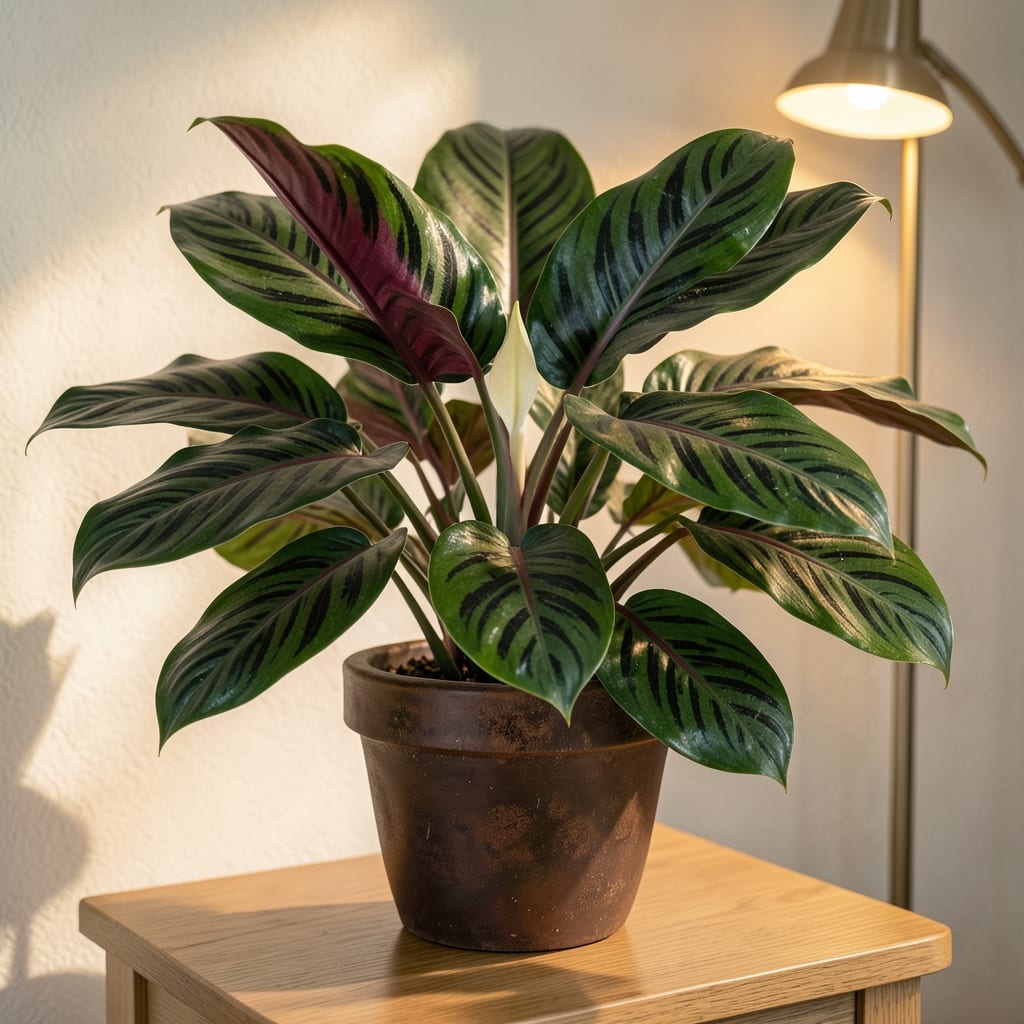
If you're wondering how much light does a zebra plant need to keep its signature striped leaves vibrant and prevent awkward stretching, you're likely dealing with a light problem. This striking houseplant thrives in bright, indirect sunlight—but getting the balance right can feel like solving a puzzle. Too little light dulls its colors, while too much burns those beautiful patterns, leaving you frustrated and guessing.
The good news? With the right lighting setup, your zebra plant can go from struggling to showstopping. We'll break down exactly how much light it needs—whether you're dealing with a dim corner or a sun-drenched room—and how to spot the warning signs before they become permanent damage. No more second-guessing whether to move it closer or farther from the window.
You don't need fancy equipment to create the perfect conditions. Simple adjustments like choosing the right window or supplementing with grow lights can make all the difference. Let's dive into the ideal light requirements and practical tips to keep your zebra plant thriving year-round, so you can enjoy its bold foliage without the stress.
From recognizing leggy growth to understanding why east-facing windows work better than south-facing ones, this guide covers everything you need to know. By the end, you'll have a clear plan to optimize your zebra plant's light exposure—so you can finally stop wondering and start enjoying its stunning presence in your space.


Zebra plant light requirements: ideal brightness levels explained
The zebra plant (Aphelandra squarrosa) thrives in bright indirect sunlight, making it perfect for homes with east or west-facing windows. This tropical beauty needs about 4-6 hours of filtered light daily—think dappled sunlight through sheer curtains or a spot near a window but not in direct rays. Too little light causes leggy growth and faded stripes, while too much direct sun can scorch its leaves and bleach the patterns.
Indoors, place your zebra plant within 2-3 feet of an east or west window to maximize natural light without risking sunburn. If your home lacks natural light, a grow light (like a full-spectrum LED) for 6-8 hours daily works wonders. Outdoor gardeners can enjoy zebra plants in partial shade, especially in hot climates where afternoon sun can be harsh. The key is mimicking its native understory habitat—bright but never harsh.
Here’s how to spot light-related stress in your zebra plant: Pale, stretched leaves mean it’s craving more light, while brown patches or crispy edges signal too much direct sun. Rotate the pot quarter-turns weekly to ensure even growth and prevent leaning toward the light source. Seasonal adjustments matter too—winter’s weaker light may require moving the plant closer to a window or supplementing with artificial light.
For outdoor zebra plants, morning sun is ideal, but avoid placing them in south-facing spots where intense afternoon rays can damage foliage. In containers, ensure the pot has drainage holes to prevent root rot, which can worsen under low-light conditions. Pairing your zebra plant with humidity-loving companions like calatheas or peace lilies creates a microclimate that mimics its tropical needs.
Pro tip: Use a light meter (or your phone’s light app) to check brightness levels—aim for 1,000-3,000 foot-candles of light. If your space falls short, a south-facing window with a sheer curtain can diffuse harsh light while still providing the brightness zebra plants crave. Remember, consistency is key; sudden changes in light exposure can shock the plant and stunt its growth.
In low-light conditions, your zebra plant may produce fewer blooms, but its foliage will remain vibrant if you maintain consistent moisture and humidity. Mist the leaves occasionally or place the pot on a pebble tray with water to boost humidity. Avoid placing it in dark corners or north-facing rooms without supplemental lighting, as this leads to weak, spindly growth over time.
If you notice yellowing leaves, check for overwatering first—but if the soil is dry, the issue is likely insufficient light. Move the plant to a brighter spot gradually (over a week) to avoid shocking it. For new growers, start with a west-facing window, as it offers gentle afternoon light without the intensity of south-facing exposure.
Zebra Plant Light Requirements Summary
| Requirement | Specification |
|---|---|
| Light Type | Bright Indirect Light |
| Ideal Hours | 4-6 Hours Daily |
| Best Window | East or West-Facing |
| Distance from Window | 2-3 Feet |
| Low-Light Signs | Leggy Growth, Pale Leaves |
| Overlight Signs | Brown Patches, Scorched Edges |
| Supplemental Light | Grow Light (6-8 Hours) |
In summer months, watch for intense afternoon sun, especially in southern climates. If your zebra plant is outdoors, provide afternoon shade with a sheer curtain or move it to a spot under a tree canopy. This prevents leaf burn while still allowing it to enjoy the benefits of natural light. For indoor plants, avoid placing them near heat sources like radiators, as dry air can stress the plant further.
To test your zebra plant’s light conditions, observe its leaves for 3-5 days. If the stripes remain bold and vibrant, you’ve nailed the balance. If not, adjust the placement incrementally—1-2 inches closer or farther from the light source each day. Patience is key; zebra plants are forgiving but need time to adapt to changes. With the right light, your plant will reward you with lush, patterned foliage and occasional vibrant blooms that add a pop of color to your space.
How to adjust your home’s lighting for a thriving zebra plant
Your zebra plant’s light needs might not match your home’s natural light perfectly—and that’s okay! With a few smart adjustments, you can create the ideal bright indirect light environment even in less-than-perfect spots. Start by assessing your space: north-facing windows provide soft, consistent light, while east-facing windows offer gentle morning sun. West-facing windows can work too, but avoid harsh afternoon rays that burn delicate foliage.
If your zebra plant sits in a low-light corner, don’t despair. Rotate the pot quarter-turns weekly to ensure even growth. Place it near a west-facing window during winter when sunlight is weaker, or supplement with a grow light (12-14 hours daily) to mimic natural brightness. Avoid south-facing windows unless filtered through sheer curtains—direct sun will bleach those stunning stripes.
If your zebra plant’s leaves develop brown crispy edges or bleached patches, it’s getting too much direct sunlight. Move it 3-4 feet back from the window or add a sheer curtain to diffuse harsh rays. Leggy growth with sparse leaves? It needs more light—try a sunny windowsill or grow light.
For outdoor placement, zebra plants thrive in partial shade gardens under trees or on patios with dappled sunlight. In summer, watch for afternoon sun—even indirect rays can overheat leaves. A lightweight shade cloth (30-50% coverage) works wonders for protecting foliage while still allowing brightness.
Pro tip: Group your zebra plant with low-light companions like ferns or calatheas to create a microclimate with balanced humidity. Mist leaves occasionally (especially in winter when indoor air gets dry) to mimic tropical conditions. Humidity levels above 50% help prevent leaf tips from browning, even if light conditions are perfect.
Still struggling? Test your lighting with a simple trick: Hold a white piece of paper near the plant. If the shadow is sharp and dark, the light is too direct. If the shadow is faint, you’re golden—your zebra plant will thrive in that spot. Adjust gradually to avoid shocking the plant, and always water before moving to reduce stress.
With these tweaks, your zebra plant will reward you with bold, striped leaves year-round. The key is patience—monitor its response and adjust as seasons change. Soon, you’ll have the perfect light setup for a showstopping houseplant that’s the talk of your home! 🌿