
Light Requirements
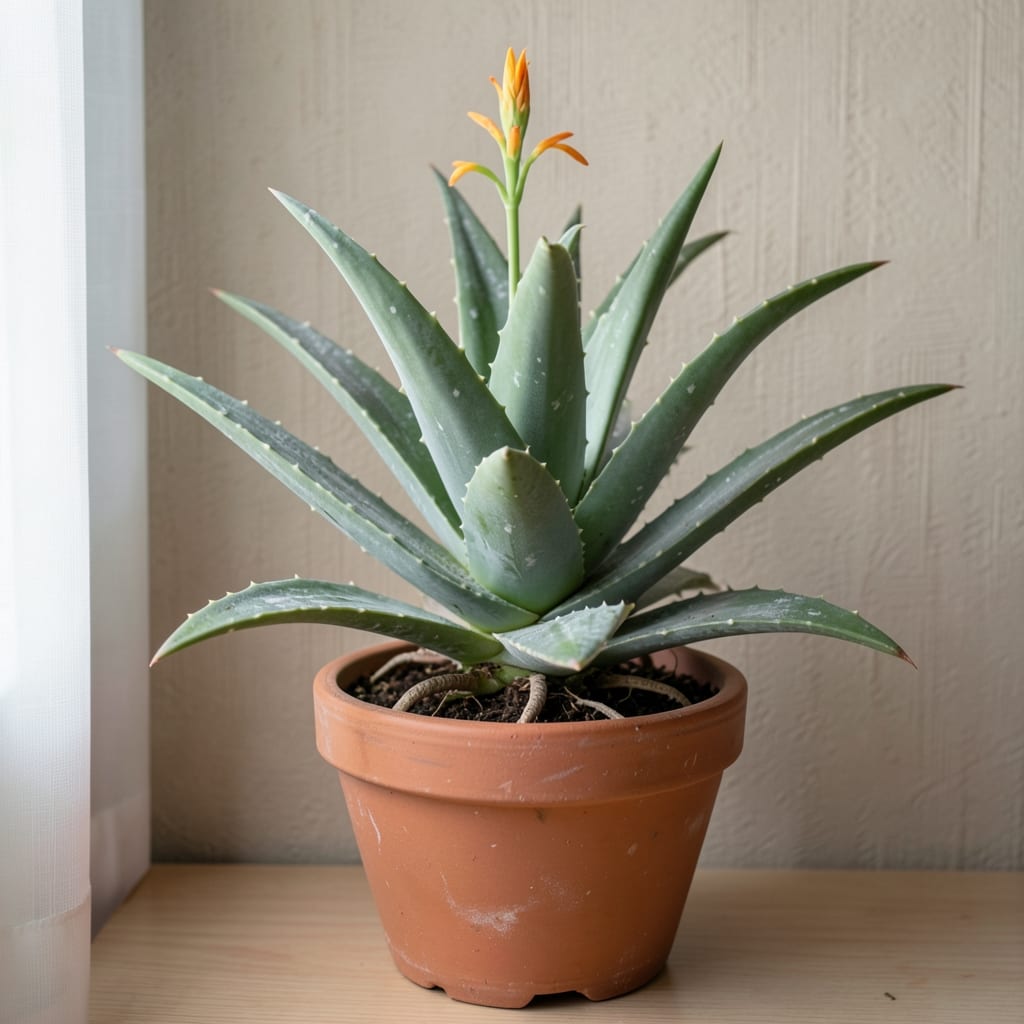
If your 🌵 aloe plant keeps struggling—yellowing leaves, slow growth, or even dying—chances are, it’s not getting how much light does an aloe plant need. The truth is, aloe thrives on 6+ hours of bright sunlight daily, but most people either overestimate or underestimate its needs, leading to common mistakes like overwatering or weak growth.
You might think aloe is low-maintenance, but light is the game-changer that determines whether your plant stays vibrant or withers away. Whether you’re growing it indoors near a window or outdoors in USDA Zone 6a, understanding the balance between direct sun and shade is key to keeping your aloe healthy year-round.
Let’s break down exactly how much light your aloe needs—from the ideal sunlight duration to signs of over- or under-exposure—and how to adjust for different environments. You’ll learn practical tips to monitor your plant’s health and avoid costly mistakes, like thinking more water will fix a light problem.
By the end, you’ll know exactly where to place your aloe for maximum growth, whether it’s basking in spring sunlight or thriving under artificial lights. Ready to give your plant the perfect light setup?


Optimal sunlight requirements for aloe vera growth: the 6-Hour rule explained
Aloe plants thrive under bright, direct sunlight—specifically, they need at least 6 hours of sunlight daily. This requirement is non-negotiable for their health and growth. Without enough light, aloe plants become leggy, pale, and weak, while too much intense sunlight can cause sunburn. Understanding the balance is key to growing a strong, vibrant aloe plant.
Native to arid regions, aloe plants have adapted to thrive in full sun conditions. In their natural habitat, they receive intense sunlight for most of the day, which is why replicating this environment is crucial for their care. The 6-hour rule isn’t just a guideline—it’s a biological necessity for their photosynthesis process, which fuels their growth and healing properties.
Now, let’s break down the specifics. Aloe plants prefer direct sunlight, but they can also tolerate bright indirect light, especially during the hottest parts of the day. For example, placing your aloe near a south-facing window provides the ideal balance of light exposure without risking sunburn. If you’re growing aloe outdoors, a spot with morning sun and afternoon shade works best in hot climates.
Aloe Plant Light Requirements Summary
| Light Requirement | Specification | Ideal Conditions |
|---|---|---|
| Daily Sunlight | 6+ hours | Full sun exposure (6 AM - 6 PM) |
| Light Type | Direct or Bright Indirect | South-facing windows or outdoor full sun |
| Seasonal Adjustments | 3-6 hours (winter) | Reduce exposure in extreme heat or cold |
| Signs of Over-Exposure | Brown or white patches | Move to partial shade immediately |
| Signs of Under-Exposure | Leggy growth, pale leaves | Increase light gradually over 1-2 weeks |
In summer months, aloe plants can handle up to 8-10 hours of sunlight, but they may need afternoon shade to prevent sunburn. For instance, if your aloe is in a west-facing window, consider moving it to a shaded spot after 3 PM to avoid the harsh afternoon sun. This adjustment helps maintain the plant’s vibrant green color and prevents leaf damage.
During winter months, sunlight is less intense, and aloe plants can thrive with 3-6 hours of light daily. If you notice your aloe becoming stretched or pale, it’s a clear sign it needs more light. In indoor settings, supplement natural light with a grow light if your aloe isn’t getting enough sunlight. A simple LED grow light placed 6-12 inches above the plant can make a significant difference in its health.
One common mistake is assuming that more sunlight is always better. While aloe plants love light, they can suffer from sunburn if exposed to intense sunlight without acclimation. To avoid this, introduce your aloe to full sun gradually, especially if it’s been indoors or in low-light conditions. Start with 2-3 hours of morning sun and gradually increase exposure over a week or two.
Monitor your aloe plant’s leaves for visual cues that indicate its light needs. Healthy aloe leaves are thick, fleshy, and a vibrant green color. If you notice yellowing leaves, it could be a sign of too much water or insufficient light. Conversely, brown or white patches on the leaves are clear indicators of sunburn. Adjusting the plant’s light exposure based on these signs ensures it stays healthy and thriving.
For outdoor aloe plants, consider their microclimate. Plants in container gardens may need more frequent adjustments than those in the ground, as pots can overheat in direct sunlight. Use light-colored containers to reflect excess heat and prevent root damage. Additionally, mulching around the base of the plant helps regulate soil temperature and moisture levels.
If you’re growing aloe in a greenhouse or sunroom, ensure proper ventilation to prevent heat buildup. Aloe plants can tolerate high temperatures, but stagnant air and excessive heat can stress the plant. Use a small fan or open windows to maintain airflow, which also helps prevent fungal issues that can arise in humid conditions.
Finally, remember that light quality matters as much as duration. Aloe plants thrive under bright, natural light, so avoid placing them under artificial lights that don’t mimic the sun’s spectrum. If you must use grow lights, opt for full-spectrum LED bulbs designed for plants. These lights provide the blue and red wavelengths essential for photosynthesis and healthy growth.
How to adjust light exposure for different aloe plant stages: seedlings to mature plants
Aloe plants have unique light needs at every growth stage, and understanding these shifts is crucial for avoiding common mistakes like sunburn in seedlings or leggy growth in mature plants. Unlike many houseplants, aloe requires progressive light exposure as it matures, starting from gentle indirect light for tiny sprouts to full sun for established plants. Skipping this gradual adjustment often leads to stressed plants that struggle to recover.
For aloe seedlings, the first 3-4 weeks are critical. These delicate sprouts need bright indirect light—think east-facing windows or a spot 2-3 feet from a south-facing window. Direct sunlight at this stage can cause irreversible leaf scorch, so avoid placing them in harsh midday light. If growing indoors without natural light, use a low-intensity grow light on a 12-hour cycle to mimic natural daylight patterns.
⚠️ Light Exposure Warning for Aloe Seedlings
Never expose newly sprouted aloe seedlings to direct sunlight before they develop their first 3-4 true leaves. Sudden full sun exposure can cause permanent leaf damage or even kill young plants. Gradually increase light over 1-2 weeks by moving them closer to a light source daily.
🌱 Signs of too much light: White or brown patches on leaves, crispy leaf edges
🌿 Signs of too little light: Stretched, thin leaves; pale yellow-green color
Once your aloe reaches the young plant stage (about 4-6 inches tall), it’s time to gradually introduce direct sunlight. Start with 2 hours of morning sun and slowly increase by 1 hour every 3-4 days until reaching 4-6 hours daily. This acclimation period prevents shock and allows the plant to develop protective pigments. A common mistake is moving young aloe plants directly from shade to full sun, which often results in sunburned leaves that turn white or brown.
Mature aloe plants (over 12 inches tall) can handle full sun exposure, but even they need protection during peak summer heat. In outdoor settings, provide afternoon shade between 1 PM and 4 PM to prevent leaf damage. For container-grown aloe, use light-colored pots to reflect excess heat and reduce root stress. If growing in USDA Zone 6a, monitor your aloe during late summer when temperatures exceed 90°F—this is when most sunburn cases occur.
One often-overlooked factor is seasonal light adjustments. During winter months, aloe plants enter a dormant phase and can thrive with 3-4 hours of light daily. However, if you notice stretched growth (a condition called etiolation), supplement with a grow light for 6-8 hours daily. The key is maintaining consistent light levels—aloe plants hate sudden changes, which can disrupt their growth cycles and lead to yellowing leaves or leaf drop.
For indoor aloe plants, rotate your plant quarter-turns every 2-3 weeks to ensure even light exposure. This prevents one-sided growth and keeps the plant compact. If your aloe starts leaning toward the light source, it’s a clear sign it needs more bright indirect light. In low-light conditions, consider moving it to a sunroom or conservatory where it can receive reflected sunlight from nearby windows.
Remember, light quality matters as much as quantity. Aloe plants need full-spectrum light that includes blue and red wavelengths for optimal photosynthesis. If you’re using artificial lights, avoid cool white LEDs—they lack the red spectrum aloe needs. Instead, opt for full-spectrum grow lights or LED bulbs with a 6500K color temperature to mimic natural sunlight. With the right light adjustments at each stage, your aloe will grow strong, healthy, and resilient year-round.