
Light Requirements
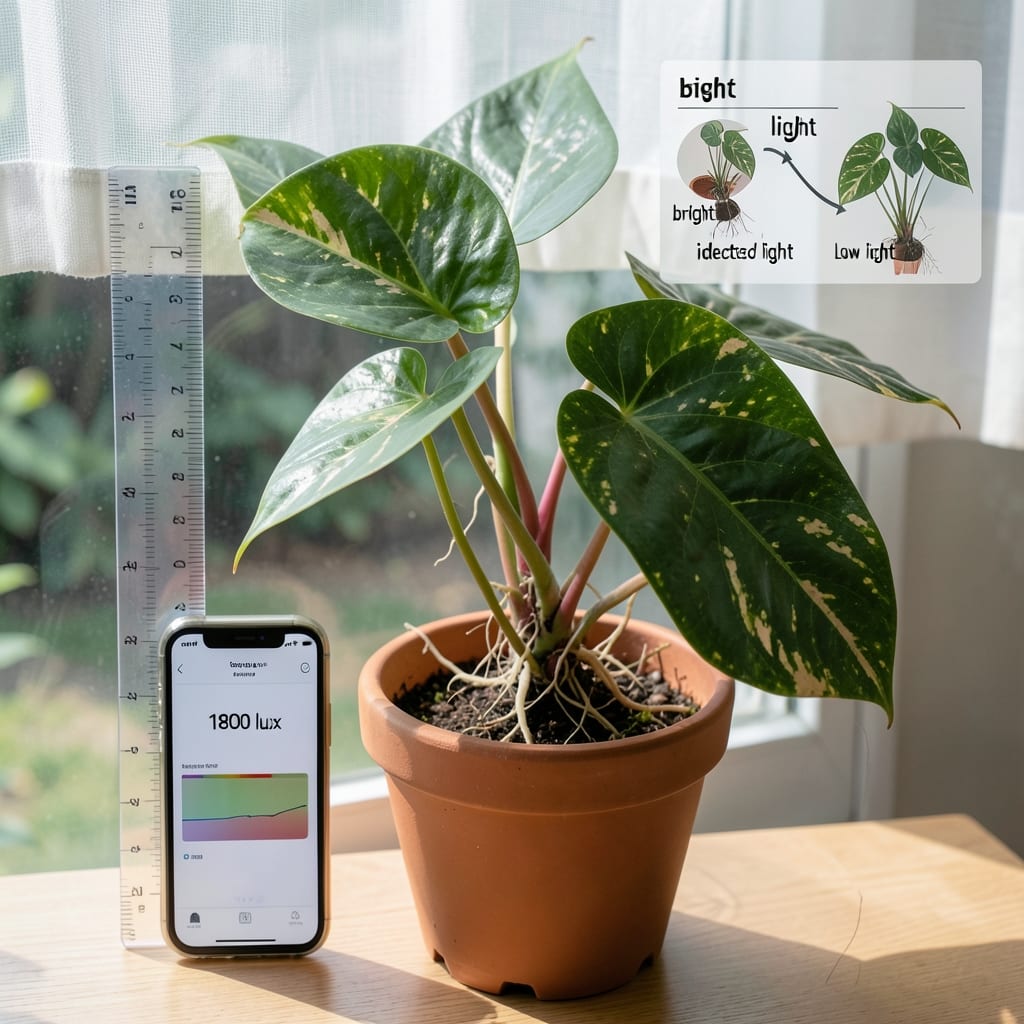
The light needs of your Arrowhead Plant 🌿 could be the missing puzzle piece in your plant care routine. Too little light, and your leaves lose their vibrant colors; too much, and you'll see crispy brown edges that ruin the plant's natural beauty. Understanding exactly how much light this tropical favorite thrives in will transform your care routine from guesswork to confident gardening.
Arrowhead Plants (Syngonium) crave bright indirect light for about 4-6 hours daily, making them perfect for east or west-facing windows. The key is avoiding harsh direct sunlight, which can scorch those stunning arrow-shaped leaves. Many beginners struggle with this balance, often placing their plants in spots that either leave them leggy or stressed.
In this guide, I'll show you how to spot the perfect light conditions for your plant's health. We'll cover everything from recognizing light-related problems to creating the ideal environment, whether you're working with natural sunlight or grow lights. With these simple adjustments, you'll see your Arrowhead Plant flourish in no time.
Ready to give your plant the light it truly deserves? Let's dive into the specifics that will have your Arrowhead Plant thriving with vibrant foliage and steady growth. The secret to success starts with understanding this one crucial element of care.

Optimal light requirements for arrowhead plants: the 4-6 hour rule
The Arrowhead Plant (Syngonium podophyllum) thrives in bright indirect light for 4-6 hours daily, making it perfect for indoor spaces with natural daylight. This tropical plant mimics its native understory habitat, where dappled sunlight filters through tree canopies. Too much direct sun causes leaf burn, while too little leads to leggy growth and pale foliage.
Position your plant 3-5 feet from an east or west-facing window for ideal light exposure. East windows provide gentle morning sun, while west windows offer afternoon light without the intensity of south-facing windows. Avoid south-facing spots, where harsh midday rays can scorch delicate leaves within hours.
During winter months, daylight hours shrink significantly. Supplement natural light with a 10-12 hour grow light schedule to maintain your plant's health. In summer, use sheer curtains to diffuse intense sunlight while still allowing plenty of brightness.
If you notice your plant stretching toward the light source, it's a clear sign of under-lighting. Rotate the pot quarter-turns weekly to ensure even growth and prevent lopsided development. This simple habit encourages balanced foliage and stronger stems.
| Light Condition | Ideal Duration | Plant Response | Best Window |
|---|---|---|---|
| Bright Indirect | 4-6 hours | Vibrant leaves, compact growth | East/West |
| Low Light | <2 hours | Leggy stems, pale leaves | North |
| Direct Sun | >2 hours | Brown leaf tips, crispy edges | South |
| Filtered Sun | 4-6 hours | Healthy variegation, steady growth | East/West + sheer curtain |
Monitor your plant's leaf color intensity as a quick indicator of light success. Darker variegated patterns thrive in optimal light, while solid green leaves often signal low-light conditions. The ideal spot should provide enough brightness to maintain vibrant foliage without causing stress.
For urban growers without ideal windows, consider placing your Arrowhead Plant near a skylight or glass door where indirect light naturally accumulates. These spots often provide the perfect balance of brightness without direct sun exposure.
Seasonal adjustments are key. In spring and fall, your plant will appreciate 6 hours of light as daylight extends. During summer's peak intensity, reduce exposure to 4 hours with sheer curtains to prevent overheating.
Pro tip: Use a light meter (or smartphone app) to measure light intensity in foot-candles. Aim for 500-1,000 foot-candles for optimal Arrowhead Plant health. Most living rooms fall within this range when positioned properly.
Remember, every plant is unique. If your Arrowhead Plant shows signs of stress after adjustments, it may need a gradual light transition over 1-2 weeks to acclimate. Sudden changes can shock even the hardiest tropical plants.
Optimal light requirements for arrowhead plants: the 4-6 hour rule
Your Arrowhead Plant (Syngonium) thrives in bright indirect light for about 4-6 hours daily, making it perfect for east or west-facing windows. This tropical plant mimics its natural understory habitat, where dappled sunlight filters through the canopy. Too much direct sun causes leaf burn, while insufficient light leads to leggy growth and pale foliage.
The ideal light spectrum for Arrowhead Plants falls between 10,000-15,000 lux, similar to the brightness of a cloudy day. Think of it as standing under a tree canopy—enough light to grow but not scorching rays. South-facing windows can be too intense, while north-facing windows often provide low light that may stunt growth over time.
🌿
| Light Condition | Ideal Duration | Plant Response | Best Location |
|---|---|---|---|
| Bright Indirect Light | 4-6 hours | Vibrant foliage, healthy growth | East/west window, 3-5 ft away |
| Low Light | Less than 4 hours | Leggy growth, pale leaves | North-facing window, dim corners |
| Direct Sunlight | More than 6 hours | Brown leaf edges, crispy texture | South-facing window, no filter |
Seasonal adjustments are key—winter months often require moving your plant closer to a window (within 2-3 feet) to compensate for shorter daylight. In summer, use sheer curtains to diffuse harsh afternoon sun, especially if your plant is near a south-facing window. A simple trick is rotating your plant quarter-turns weekly to ensure even light exposure on all sides.
If you notice your Arrowhead Plant stretching toward the light, it’s begging for more brightness. Conversely, if leaves develop yellow patches or brown spots, it’s a cry for shade. The goal is to strike that perfect balance where your plant feels like it’s basking in its tropical homeland without the risk of sunburn.
For urban dwellers with limited natural light, grow lights can be a game-changer. A 6000K LED bulb placed 12-18 inches above your plant for 12-14 hours daily mimics ideal growing conditions. This setup is especially useful in low-light apartments where windows are scarce.
💡