
Plants
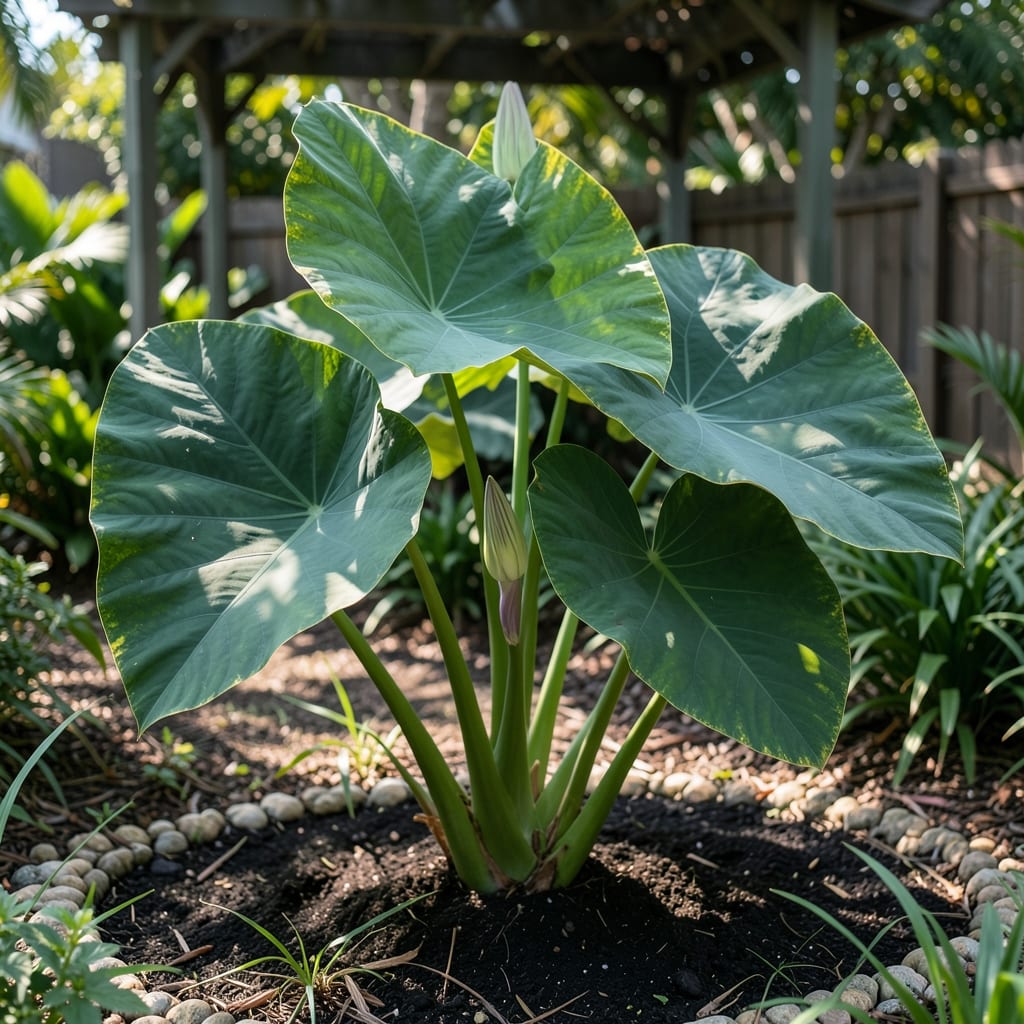
If your Elephant Ear 🌿 plant is struggling to grow those stunning, bold leaves, you might be overcomplicating its light needs. The truth is, these tropical beauties thrive in bright but indirect sunlight—think dappled shade rather than harsh midday rays.
Too much direct sun can scorch those gorgeous leaves, while too little light leads to weak, leggy growth that’s far from the dramatic foliage you love. The key is finding that sweet spot where your Elephant Ear gets enough light to stay vibrant without getting stressed.
Whether you're growing yours indoors near a window or outdoors in your garden, I’ll show you exactly how to spot the perfect lighting conditions. You’ll learn how to adjust care based on what your plant is telling you—because those leaves never lie!
From recognizing signs of light stress to choosing the best spots for your Elephant Ear, this guide will help you keep your plant happy and thriving all season long. Let’s get those leaves looking their absolute best!

Optimal light requirements for elephant ear plants: bright indirect sunlight explained
Elephant ear plants (Colocasia) thrive in bright indirect sunlight, mimicking their natural tropical habitat. Too much harsh sun causes leaf scorch, while too little light leads to weak, pale foliage. Understanding their light needs is key to maintaining those stunning, glossy leaves year-round.
These plants need 4-6 hours of sunlight daily, but prefer filtered or diffused light rather than direct midday rays. Morning sun (6 AM–12 PM) or late afternoon sun (2 PM–6 PM) works best, especially in hot climates where afternoon heat can damage leaves.
In indoor settings, position your elephant ear near an east or west-facing window where sunlight is bright but not intense. South-facing windows may require sheer curtains to prevent leaf burn, while north-facing windows might need supplemental grow lights to compensate for lower light levels.
Outdoors, plant them in partial shade—think dappled sunlight under trees or on shaded patios. In USDA zones 8-11, they can handle more direct sun, but always acclimate gradually to avoid shock. For cooler zones (6-7), prioritize protected spots to prevent winter stress.
🌿 Light Requirements Comparison
| Condition | Indoor | Outdoor | Signs of Stress |
|---|---|---|---|
| Sunlight Hours | 4-6 hours (bright indirect) | 4-6 hours (morning/afternoon) | Yellowing or brown edges |
| Best Window | East/West-facing | Partial shade (dappled light) | Pale, weak growth |
| Avoid | Direct midday sun | Harsh afternoon sun | Crispy, scorched leaves |
Seasonal adjustments are crucial. In summer, provide afternoon shade to protect leaves from intense rays, while winter may require grow lights if natural light drops below 4 hours daily. Rotate your plant quarterly to ensure even light exposure and prevent lopsided growth.
For container gardening, choose pots with light-colored surfaces to reflect excess heat. Terracotta works well, but avoid black containers that absorb too much sunlight. If your plant starts leaning toward the light, it’s a clear sign it needs to be repositioned for more balanced exposure.
Pro tip: Use a light meter (or your phone’s light sensor) to check intensity. Ideal levels for elephant ears fall between 10,000–20,000 lux. If readings drop below 10,000 lux, supplement with a full-spectrum LED grow light 12 inches above the plant for 6 hours daily.
Remember, consistency is key. Sudden changes in light—like moving from a bright window to a dim corner—can cause leaf drop or stunted growth. Gradually adjust their environment over 1-2 weeks to minimize stress and keep those leaves looking their best.
By mastering these light conditions, your elephant ear plant will reward you with bold, glossy foliage that’s the envy of every garden. Happy growing! 🌿
Optimal light requirements for elephant ear plants: bright indirect sunlight explained
Elephant ear plants (Colocasia) thrive in bright indirect sunlight, mimicking their native tropical habitats. Too much direct sun causes leaf scorch, while too little results in weak, pale foliage. The key is finding that sweet spot—4-6 hours of filtered light daily—whether outdoors under dappled shade or indoors near east/west-facing windows.
Morning sun (6 AM–12 PM) is gentler than afternoon rays, making it ideal for these plants. If growing outdoors, position them where they receive morning sunlight and afternoon shade, especially in hot climates. For container plants, rotate them weekly to ensure even light exposure across all leaves.
| Light Condition | Daily Duration | Ideal Placement | Leaf Impact |
|---|---|---|---|
| Bright Indirect | 4-6 hours | East/west windows, dappled shade | Bold, glossy foliage |
| Direct Sun | >6 hours | South-facing windows, full sun | Brown scorch marks |
| Low Light | <2 hours | North windows, deep shade | Pale, leggy growth |
Seasonal adjustments are crucial. In summer, provide afternoon shade with sheer curtains or a lightweight shade cloth (30-50%). During winter, supplement indoor light with a grow light 12 inches above for 6–8 hours daily if natural light drops below 4 hours. Monitor leaf color—dark green with vibrant veins means perfect light!
For container growers, avoid placing plants near heat-emitting sources like ovens or radiators, as they dry out soil and stress foliage. Instead, opt for cool, humid spots like bathrooms with indirect light or under a shelf near an east-facing window. Consistency is key—elephant ears adapt poorly to sudden light changes.
Pro tip: Test your spot using the "shadow test". Hold a white sheet at the plant’s location at noon—if the shadow is smaller than the plant itself, it’s too bright. If larger, it’s safe. Adjust placement accordingly for that perfect tropical glow.
🌿