
Plants
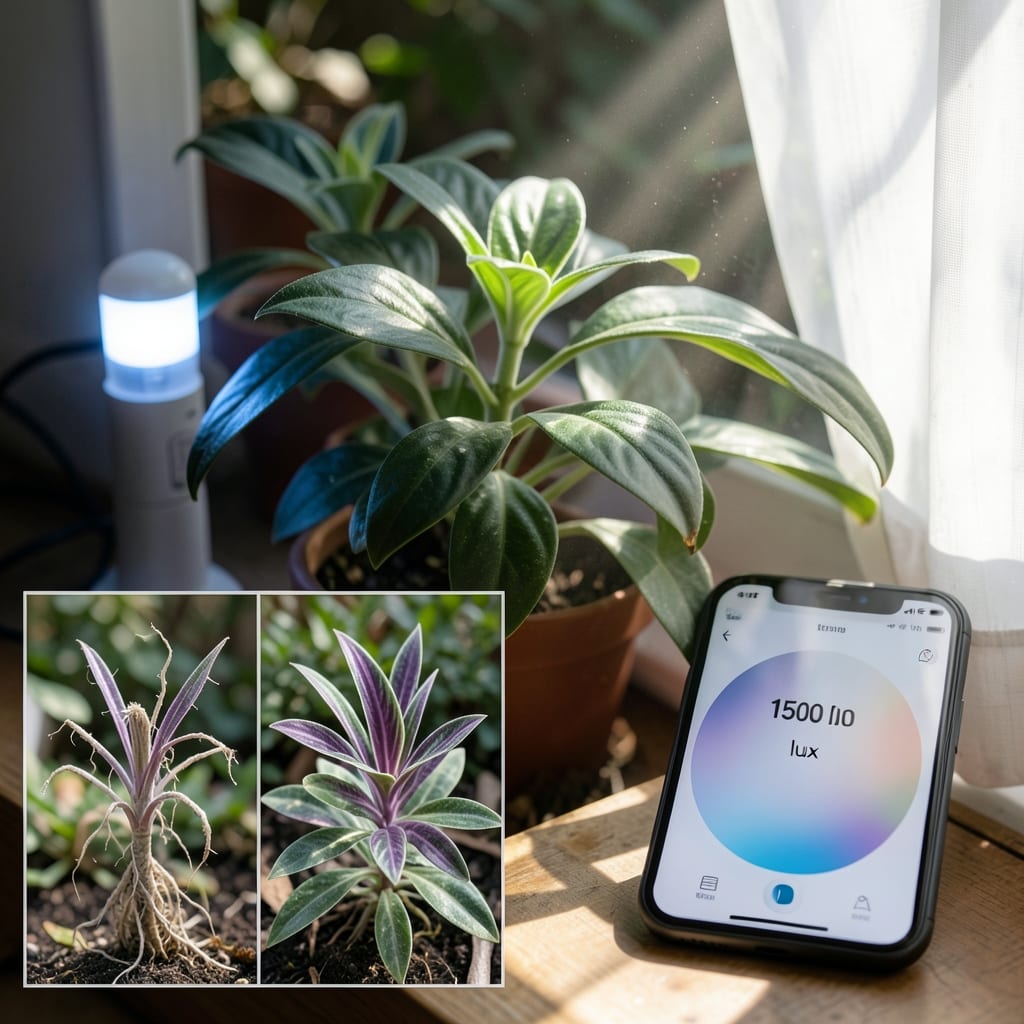
If you're wondering how much light does an inch plant need, you're not alone—this tropical beauty thrives in bright but indirect sunlight, and getting it right makes all the difference. Too little light, and your 🌱 inch plant will stretch out leggy stems, while too much can scorch those vibrant leaves you love.
For optimal growth, place your inch plant near an east or north-facing window where it can bask in gentle morning light or filtered afternoon sun. This ensures the bright indirect light it craves without risking sunburn, making it perfect for indoor gardeners in USDA Zone 6a or warmer climates.
But what if your home lacks natural light? Don’t worry—artificial grow lights can step in to mimic those ideal conditions. The key is consistency: aim for 4-6 hours of light daily, adjusting as seasons shift to keep your plant happy year-round.
In this guide, I’ll break down exactly how to spot light issues, tweak your setup, and keep your inch plant’s foliage lush and thriving. Let’s get started!


Optimal light requirements for inch plant growth: bright indirect sun explained
Your inch plant thrives in bright indirect light, mimicking its natural tropical habitat. Too little light causes pale, leggy growth, while too much leads to brown leaf tips. The key is finding that golden middle—where leaves stay vibrant and compact. As a foliage plant, it doesn’t need intense sunlight like succulents, but it also won’t tolerate deep shade for long periods.
In nature, inch plants grow under dappled forest light, receiving only 30-50% of full sun. Recreating this indoors means placing your plant near an east-facing window (gentle morning sun) or a north-facing window (consistent but diffused light). West-facing windows can work, but you’ll need to filter the light with a sheer curtain to prevent afternoon intensity from scorching leaves.
Here’s how to visualize the perfect light setup for your inch plant:
| Light Condition | Ideal Setup | Leaf Response |
|---|---|---|
| Bright Indirect Light | East/West window with sheer curtain 2-3 feet from glass |
Vibrant green leaves Compact growth |
| Low Light | North-facing window 10+ feet from bright window |
Pale yellow leaves Leggy stems |
| Direct Sunlight | South-facing window No filter |
Brown crispy edges Bleached leaves |
| Partial Shade | Under artificial grow light 6-8 hours/day |
Healthy medium green Steady growth |
Seasonal adjustments are crucial. During summer months, your inch plant may need extra shade as the sun’s angle intensifies. Move it 1-2 feet back from the window or use a light-colored curtain to diffuse rays. In winter, when natural light dims, supplement with a 10,000-lux LED grow bulb for 12-14 hours daily to maintain energy levels.
Pro tip: Rotate your plant quarter-turn weekly to ensure even light exposure. This prevents one-sided growth and keeps foliage lush on all sides. If you notice leaves leaning toward the light source, it’s a clear sign your plant needs to be repositioned or rotated immediately.
For outdoor cultivation in USDA Zone 6a, inch plants excel in partial shade gardens—think dappled sunlight under trees or along north-facing walls. They tolerate morning sun but should avoid hot afternoon rays, which can cause leaf burn. Mulch the soil to retain moisture and regulate temperature, especially during summer heatwaves.
Monitor your plant’s light needs daily by observing leaf color and growth pattern. A healthy inch plant has deep green, glossy leaves with no yellowing or browning. If you see crispy edges, it’s getting too much direct sun; if leaves are stretching toward light, it needs more brightness. Adjust gradually—sudden changes can shock the plant.
Remember, inch plants are adaptable, but consistency is key. Whether you’re using natural light, grow lights, or a mix of both, aim for 4-6 hours of bright indirect light daily. With the right lighting, your inch plant will reward you with vibrant foliage and compact growth all year round.
🌿
How to adjust light conditions for inch plants in different homes
If your inch plant isn’t thriving in its current spot, chances are the light conditions just aren’t right. The good news? Adjusting light exposure is easier than you think. Whether you’re in a low-light apartment or dealing with harsh afternoon sun, small tweaks can make a world of difference. Let’s break down how to optimize light for your inch plant’s needs—no matter your home setup.
First, understand that bright indirect light is ideal for inch plants. This means placing them near a window where sunlight filters through sheer curtains or a light-colored blind. South-facing windows can be tricky—direct sun through glass can still cause leaf burn, so keep your plant 3-4 feet away from the glass. For east or north windows, you can place your inch plant 2-3 feet away for perfect conditions.
| Light Source | Best Placement | Distance from Plant | Ideal Hours/Day |
|---|---|---|---|
| East Window | 2-3 feet from glass | Direct morning sun | 4-6 hours |
| North Window | 1-2 feet from glass | Soft, diffused light | 6-8 hours |
| South Window | 3-4 feet from glass | Filtered through sheer curtain | 4-5 hours |
| Artificial Grow Light | 6-12 inches above plant | Full-spectrum LED | 10-12 hours/day |
For homes with limited natural light, artificial grow lights are a game-changer. A full-spectrum LED bulb (like those designed for houseplants) can provide the bright indirect light your inch plant craves. Position the bulb 6-12 inches above your plant and keep it on for 10-12 hours daily. This mimics the natural light cycle and prevents those dreaded leggy stems that signal light deprivation.
If you’re growing your inch plant outdoors, opt for partial shade—think dappled sunlight under a tree or a spot that gets morning sun but afternoon shade. Avoid placing it in full sun, which can scorch the delicate leaves. In containers, rotate your plant every 2-3 weeks to ensure even light exposure on all sides. This simple habit promotes balanced growth and keeps your inch plant looking lush and vibrant.
Pro tip: Use a reflective surface, like a white-painted wall or a mirror, to bounce extra light onto your plant. This trick can boost light exposure by up to 30% without moving the plant. Just place the reflective surface 1-2 feet behind your inch plant for maximum benefit. It’s a clever way to stretch limited light in small spaces!
Remember, inch plants are adaptable, but they thrive best with consistent light conditions. If you notice your plant leaning toward the light, it’s a clear sign it needs to be rotated or moved. Small adjustments now will keep your inch plant happy and healthy for years to come. 🌿