
Plants
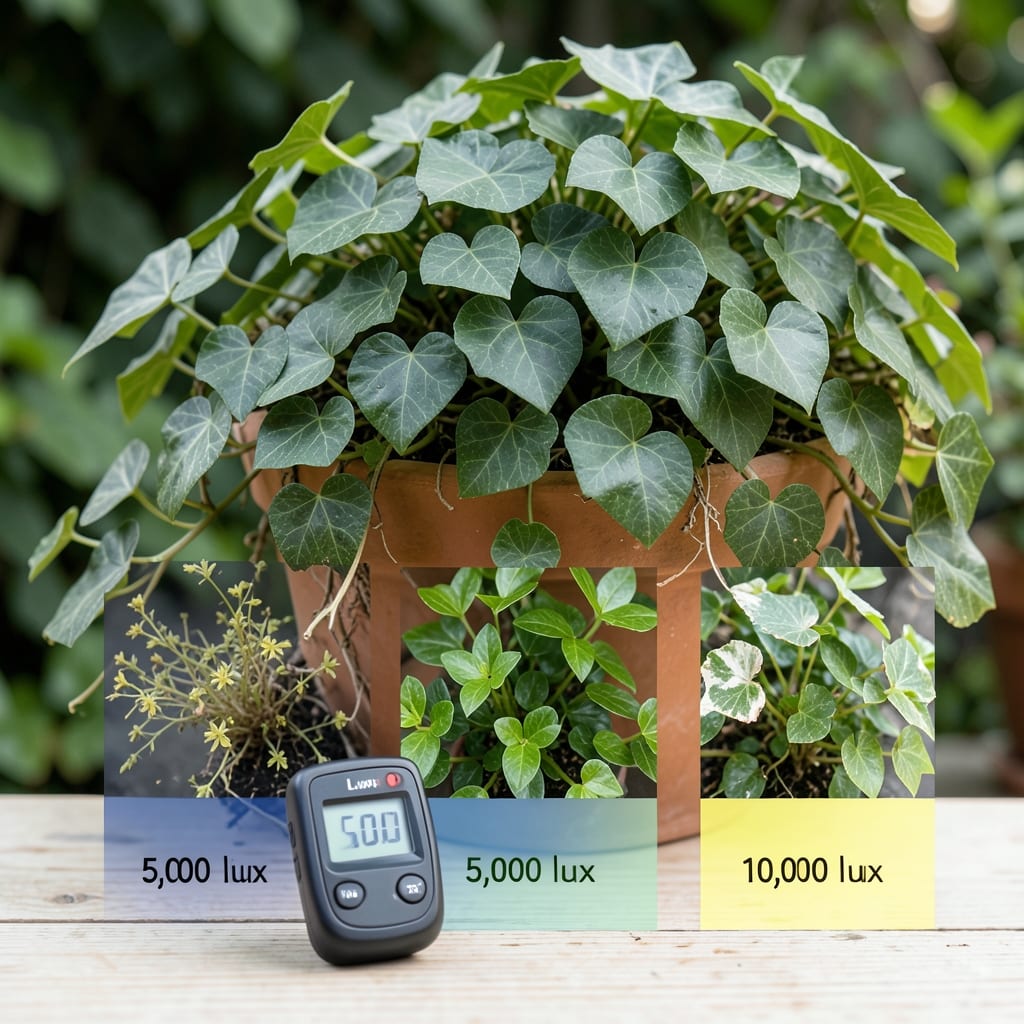
If you've ever wondered how much light does an ivy plant need to stay vibrant and healthy, you're not alone—this is the #1 question I get from plant parents struggling with their leafy green friends. The good news? Ivy is one of the most forgiving plants around, but getting the light balance right makes all the difference between lush growth and sad, leggy vines.
Ivy thrives in bright indirect light, but it can also handle low-light spots better than most plants. The key is understanding where your plant falls on the spectrum—whether you're dealing with a sun-drenched windowsill or a dim corner. Let me break down exactly what your ivy needs to flourish, plus how to spot when it's getting too much (or too little) sunlight.
From the east-facing window that gives gentle morning light to the north side that keeps things cool, I'll show you how to position your ivy for success. We'll also cover the telltale signs of light stress—like yellowing leaves or slow growth—and how to fix them before they become bigger problems.
Whether you're growing English ivy, Swedish ivy, or another variety, these tips will help you create the perfect growing conditions. Ready to give your plant the light it craves? Let's dive in.
 Best Window Placement
Ivy plant light requirements: the ideal spectrum for growth
Ivy thrives in a wide range of light conditions, making it perfect for both beginner gardeners and seasoned plant lovers. Unlike finicky houseplants, ivy adapts well to low-light bathrooms or brightly lit living rooms, but each variety has its own preferences. Understanding these nuances ensures your ivy stays vibrant and healthy year-round.
Most ivy varieties—like English ivy (Hedera helix) and Swedish ivy (Plectranthus coleoides)—prefer bright indirect light, which mimics their natural understory habitat. This means placing them near east or north-facing windows where sunlight filters gently through sheer curtains. Too much direct sun can scorch delicate leaves, while too little light leads to leggy, sparse growth.
Here’s how to match your ivy’s needs to your home’s lighting:
| Ivy Type | Light Needs | Ideal Placement | Signs of Stress |
|---|---|---|---|
| English Ivy | Bright indirect (4-6 hrs/day) | East/west windows, 2-3 ft away | Yellow leaves = too much sun; pale leaves = too little |
| Swedish Ivy | Low to medium indirect | North windows, fluorescent lighting | Leggy stems = not enough light; crispy edges = too dry |
| Hawaiian Ivy | Medium indirect (3-5 hrs/day) | South-facing with sheer curtain | Brown patches = direct sunburn; slow growth = dim light |
🌿 Pro Tip: Rotate your ivy quarterly for even growth.
If your ivy starts showing signs of light deprivation, like elongated stems or sparse foliage, move it closer to a window or supplement with a 12-inch LED grow light for 6-8 hours daily. For varieties like Hawaiian ivy (Deroxylon), which tolerates more sun, you can place them near a south-facing window but avoid harsh afternoon rays.
Outdoor ivy, whether climbing a trellis or trailing in a garden bed, benefits from dappled shade. In hot climates, provide afternoon shade to prevent leaf scorch. Mulch the base with organic matter to retain moisture and reduce stress from fluctuating light conditions.
Pay attention to seasonal changes—indoor ivy near a west-facing window might need temporary shade in summer when sunlight intensifies. Conversely, winter’s weaker light may require moving the plant closer to the glass or adding a reflective surface (like a white wall) to bounce light onto the leaves.
For new growth, prioritize bright indirect light to encourage lush, compact foliage. Mature ivy can handle slightly lower light, but it’ll grow slower and may develop bare patches. Balance is key: aim for 4-6 hours of filtered light daily and adjust based on your ivy’s response.
🌱 Key Takeaway: Ivy’s flexibility is its superpower—start with medium indirect light and tweak based on leaf color, growth rate, and seasonal shifts.
How to adjust light for different ivy types and growth stages
Ivy plants are incredibly versatile, but their light needs can shift based on their variety and growth stage. For example, English ivy thrives in bright indirect light, while Swedish ivy can tolerate slightly dimmer conditions. Understanding these differences helps you optimize their environment for maximum growth.
Young ivy plants, especially seedlings, need gentler light exposure to avoid leaf scorch. Gradually introduce them to brighter spots over 2-3 weeks to prevent stress. Mature ivies, on the other hand, can handle more light but still prefer filtered sunlight over harsh direct rays.
Seasonal changes also play a role. In winter, when natural light is scarce, supplement with a grow light for 12-14 hours daily. In summer, watch for signs of heat stress like crispy leaf edges and move your ivy away from south-facing windows if needed.
For indoor ivy, place them near east or north-facing windows where light is softer. If your space lacks natural light, a LED grow light (6,500K color temperature) placed 6-12 inches away mimics sunlight perfectly. Test the light’s intensity by holding your hand between the plant and bulb—if it feels warm, move it farther.
Outdoor ivy can adapt to partial shade but may develop pale leaves without enough light. If growing on a trellis or wall, ensure the structure doesn’t block sunlight entirely. Trim back overgrown foliage to allow airflow and light penetration to inner stems.
Pro tip: Observe your ivy’s leaf color as a barometer. Deep green means ideal light; yellowing signals too much sun; dull, pale leaves mean it’s time to move it closer to a brighter spot. With these adjustments, your ivy will stay vibrant year-round! 🌿