
Light Requirements
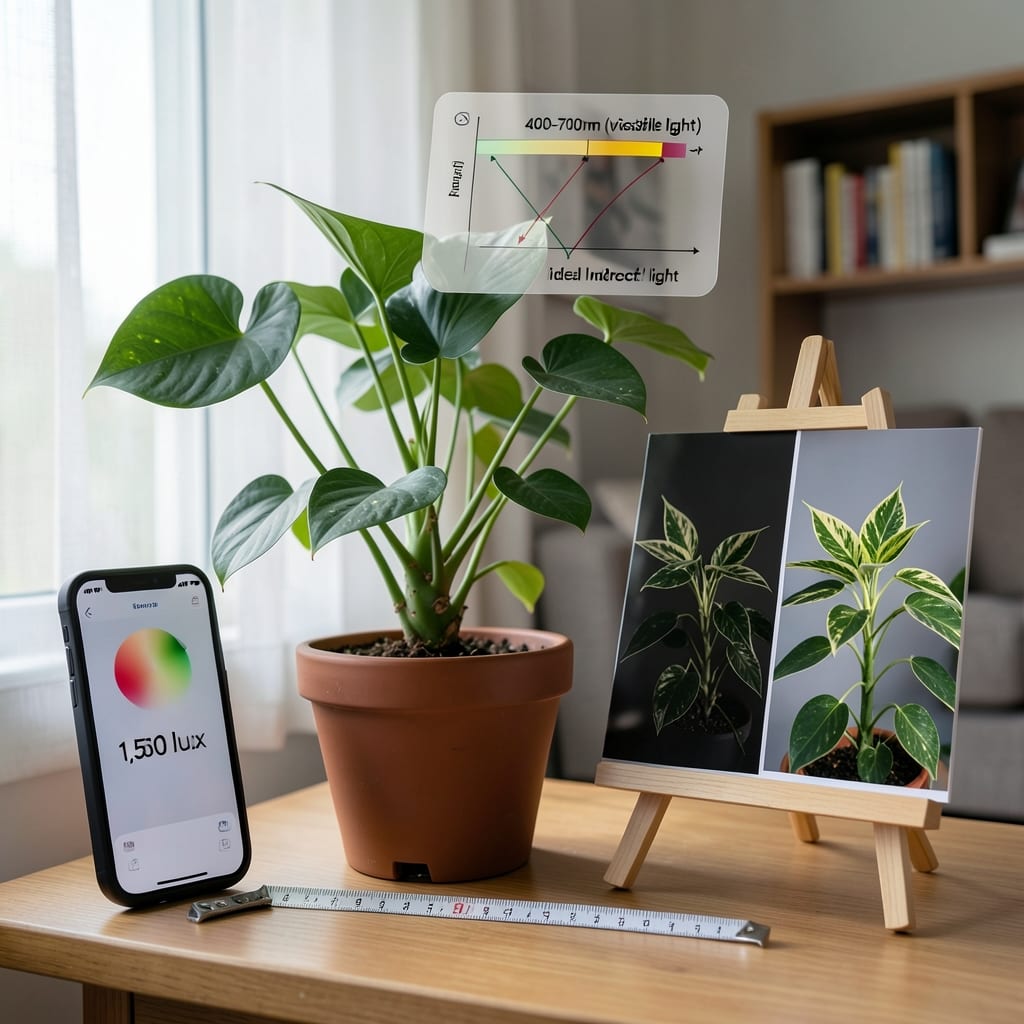
Wondering how much light does an arrowhead plant need to thrive? The answer might be simpler than you think—but getting it wrong can mean the difference between vibrant growth and sad, struggling leaves.
This striking houseplant actually prefers bright indirect sunlight, making it perfect for most homes. Too much direct sun can scorch those gorgeous arrow-shaped leaves, while too little leaves it looking leggy and weak. The key is finding that sweet spot where it gets enough light to flourish without getting stressed.
Don’t worry if your space isn’t ideal—we’ll cover how to adjust lighting, whether you’re dealing with a dim corner or a sunny windowsill. You’ll learn to spot the signs of over- or under-lighting and fix them fast, so your arrowhead plant stays lush and healthy all year.
Ready to transform your plant care game? Let’s dive into the exact light conditions your arrowhead plant craves—and how to create them, no matter where you live in USDA Zone 6a or beyond.


Optimal light requirements for arrowhead plants: bright indirect sunlight explained
The arrowhead plant (Syngonium) thrives in bright indirect sunlight, making it perfect for indoor spaces with filtered light. This tropical beauty needs about 4-6 hours of indirect light daily to maintain its signature arrow-shaped leaves and vibrant growth. Without the right light, you’ll notice slow growth, pale leaves, or leggy stems reaching for any available light source.
Direct sunlight can scorch the leaves, causing brown crispy patches, while too little light leads to weak, yellowing foliage. The key is mimicking its natural habitat under the dappled forest canopy. East- or north-facing windows are ideal, as they provide gentle morning light without harsh afternoon rays.
Here’s how to visualize the perfect light setup for your arrowhead plant:
| Light Condition | Ideal Placement | Signs of Correct Light |
|---|---|---|
| Bright Indirect Light | East/west window, 2-3 ft away | Deep green leaves, compact growth |
| Low Light | North window or 8+ ft from bright window | Pale leaves, leggy stems |
| Direct Sunlight | South window without filter | Brown crispy leaf edges |
If your home lacks natural light, LED grow lights are a game-changer. Place them 6-12 inches above the plant for 12-14 hours daily to compensate for low-light conditions. Fluorescent bulbs also work but require closer placement—about 3-4 inches away.
Seasonal changes affect light intensity. In winter months, when sunlight is weaker, supplement with artificial light or move your plant closer to the window. Conversely, during summer’s intense rays, use sheer curtains to diffuse the light and prevent leaf burn.
Rotate your arrowhead plant quarter-turn weekly to ensure even light exposure on all sides. This prevents lopsided growth and keeps the foliage symmetrical. Notice how the leaves adjust their shape based on light—juvenile leaves are arrow-shaped, while mature ones grow more heart-like under optimal conditions.
Watch for yellowing leaves, which signal insufficient light, or white patches, indicating too much direct sun. Adjust placement immediately to restore balance. With the right light, your arrowhead plant will reward you with glossy, vibrant foliage and rapid growth.
For extra peace of mind, test your light setup by monitoring growth over 4-6 weeks. If leaves stay dark green and compact, you’ve nailed the perfect balance! 🌿
How to adjust light for arrowhead plants in different rooms: a room-by-room guide
Your arrowhead plant’s light needs change dramatically depending on where you place it in your home. A north-facing window offers gentle, consistent light but may not provide enough intensity for optimal growth. Meanwhile, a south-facing window can deliver too much harsh sunlight, especially in summer. Let’s break down the best placements for every room type to keep your arrowhead plant thriving.
First, assess your space’s natural light. Take note of how sunlight moves throughout the day—morning light is softer, while afternoon sun can be intense. Use this knowledge to position your plant where it gets 4-6 hours of bright indirect light without direct exposure. For example, a west-facing window might work in cooler months but needs sheer curtains in summer.
| Room Type | Natural Light Source | Light Adjustment Tips | Best Supplemental Light |
|---|---|---|---|
| North Room | Gentle, diffused light | Move 1-2 ft closer to window or use grow lights | LED grow light (12-14 hrs/day) |
| East Room | Morning sun (ideal) | Place 2-3 ft from window; rotate weekly | None needed (perfect natural light) |
| South Room | Intense afternoon sun | Use sheer curtains; place 4+ ft away | Fluorescent bulb (3-4 inches away) |
| Basement/Office | Minimal natural light | Place under bright desk lamp; rotate daily | Full-spectrum LED (6-12 inches above) |
For rooms with low natural light, like basements or offices, invest in a full-spectrum LED grow light. These mimic sunlight’s spectrum and are energy-efficient. Place the light 6-12 inches above the plant and keep it on for 12-14 hours daily. Fluorescent bulbs are a budget-friendly alternative but require closer placement—just 3-4 inches away—and may need replacing every 6-12 months.
If your arrowhead plant is in a high-light room, like a conservatory or south-facing sunroom, use sheer curtains or a light filter to diffuse harsh rays. Watch for leaf scorch (brown crispy edges) as a warning sign. In summer, consider moving the plant to a shadier spot or adding a sheer curtain to protect it from intense afternoon sun.
Pro tip: Rotate your plant quarter-turn weekly to ensure even light exposure. This prevents lopsided growth and keeps the foliage symmetrical. Notice how leaves adjust their shape based on light—juvenile leaves stay arrow-shaped, while mature ones develop heart-like patterns under ideal conditions.
For extra flexibility, try a plant stand or rotating shelf to position your arrowhead plant at the perfect height and angle. This lets you adjust light exposure without moving the plant itself. With these room-specific strategies, your arrowhead plant will stay lush and vibrant, no matter where you place it in your home. 🌿