
How To
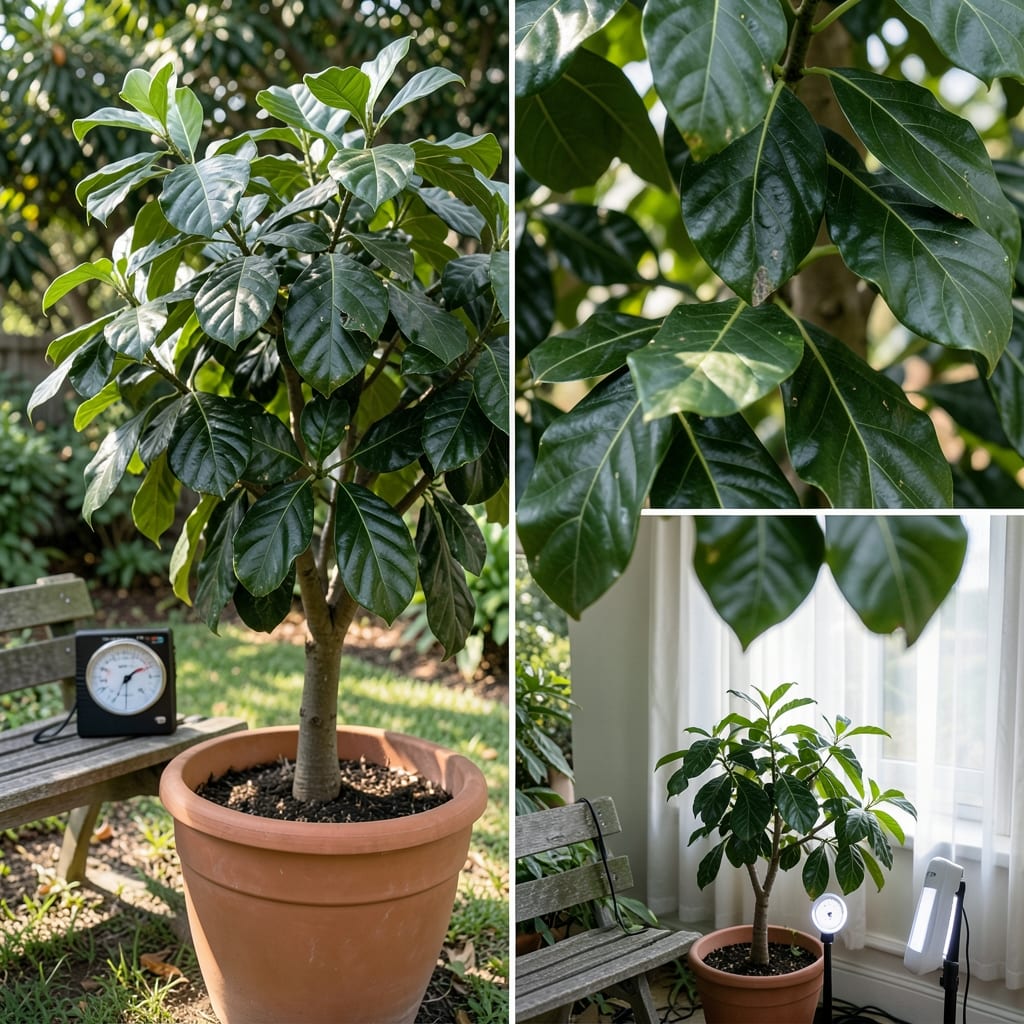
If you’re wondering how much light does an avocado plant need to thrive, the answer is simpler than you think—but getting it right makes all the difference. Too little, and it’ll stretch toward windows like a sleepy cat; too much, and those leaves will crisp up faster than toast in a hot pan. The good news? Getting it just right is easier than you think, and I’ve got the exact sunlight secrets to speed up growth and set your tree up for a bountiful harvest.
Avocado trees are sun-worshippers, craving at least 6 to 8 hours of bright, direct light daily—whether that’s from a south-facing window or outdoor sunshine. But here’s the catch: young seedlings need gentler light to avoid stress, while mature trees can handle full tropical sun. I’ll break down exactly how much light your plant needs at each stage, plus how to spot the telltale signs when it’s begging for more (or less) light.
Don’t have a sunny spot? No problem. We’ll cover smart solutions like grow lights and reflective surfaces to trick your 🥑 into thinking it’s in paraday—even if you’re stuck in a shady apartment. You’ll learn how to adjust light exposure without guesswork, so your avocado grows faster, stronger, and ready to bear fruit sooner than you’d expect.
Ready to turn your struggling plant into a thriving powerhouse? Let’s dive into the sunlight secrets that’ll have your avocado tree reaching for the sky—and the fruit basket—before you know it.

Optimal sunlight requirements for avocado trees: the science behind growth stages
Avocado trees (Persea americana) are sun-worshippers, but their light needs change dramatically from seedling to mature fruit-bearing tree. In their native tropical climates, they thrive under bright, direct sunlight for 8-12 hours daily. However, most home gardeners—especially those growing indoors—struggle to replicate these conditions. The key is understanding how light intensity and duration impact each growth stage.
Young avocado seedlings (first 2 years) tolerate slightly less light than mature trees. They need 4-6 hours of filtered sunlight daily to avoid leaf scorch while establishing roots. Think of them like teenagers—bright but indirect light helps them grow strong without burning out. Mature trees, however, demand full sun exposure (6+ hours) to produce fruit. Without enough light, they’ll focus energy on leaves instead of flowering and fruiting.
Here’s the critical distinction: Tropical varieties (like Hass) need intense sunlight year-round, while subtropical varieties (like Fuerte) can handle partial shade during extreme heat. If you’re in USDA Zones 9-11, outdoor avocados can bask in unfiltered sun. But in cooler zones (Zones 7-8), you’ll need to protect them from frost while ensuring they still get 6+ hours of direct light during growing seasons.
| Growth Stage | Daily Sunlight Needs | Light Intensity | Key Growth Impact |
|---|---|---|---|
| Seedling (0-2 years) | 4-6 hours | Bright, indirect | Root development, stem strength |
| Juvenile (2-5 years) | 6-8 hours | Full sun (morning + afternoon) | Leaf expansion, early flowering |
| Mature (5+ years, fruiting) | 8-12 hours | Full, direct sun | Fruit production, oil content |
| Indoor (Year-round) | 6+ hours (grow lights) | Full-spectrum LED | Survival, slow growth |
💡 Pro Tip: Avocados need morning sun (cool light) and afternoon shade in hot climates to prevent leaf burn.
Light isn’t just about duration—it’s about quality. Avocados thrive under full-spectrum sunlight, which includes blue light (for compact growth) and red light (for flowering). Without both, your tree may grow tall and leggy but fail to produce fruit. If you’re growing indoors near a south-facing window, rotate your plant weekly to ensure even light exposure on all sides. Uneven light causes one-sided growth, where the tree leans toward the light source like a sunflower.
Outdoor avocados in containers need extra attention. Move them to a sunny patio during summer months, then bring them indoors before temperatures drop below 50°F. This mimics their natural tropical rhythm. If you’re in a shady climate, choose dwarf varieties like ‘Mexicola’ or ‘Lamb Hass’, which tolerate partial shade better than standard types. Just remember: no shade means no fruit—even shade-tolerant varieties need at least 4 hours of direct light daily.
Here’s where most gardeners go wrong: they assume more light is always better. While avocados love sunlight, intense afternoon sun in hot climates can scorch leaves, especially in Zones 10-11. The solution? Dappled shade—like under a light canopy—protects leaves while still allowing bright indirect light to reach the tree. Think of it as giving your avocado a tropical sun hat.
For indoor growers, grow lights are a game-changer. A 12-hour light cycle (6 AM to 6 PM) mimics natural daylight and prevents etiolation (that sad, stretched-out look). Use a full-spectrum LED grow light with a red-blue ratio of 3:1 for optimal growth. Place it 12-18 inches above the plant and adjust as it grows. Without proper light, indoor avocados often become weak and spindly, struggling to support their own weight.
One final secret: Light affects fruit quality. Avocados grown in full sun develop higher oil content and richer flavors. If you’re growing for homegrown avocados, prioritize south-facing exposure or supplement with grow lights during winter when natural light is scarce. Even a small boost in light can mean the difference between meager fruit and a bountiful harvest.
Ready to optimize your avocado’s light? Start by assessing your plant’s current setup. Is it getting enough bright light? Are leaves turning yellow or crispy? The answers will tell you exactly what adjustments to make—whether it’s moving to a sunnier spot, adding grow lights, or protecting from harsh afternoon rays. Your avocado’s future fruit depends on it! 🌱
Signs your avocado plant isn’t getting enough light (and how to fix it)
Avocado plants are sun worshippers, and when they don’t get enough light, they send you clear signals. The most obvious sign is yellowing leaves, especially on the lower branches. This happens because the plant can’t produce enough energy through photosynthesis when deprived of sunlight. You might also notice slow growth or small, sparse leaves, which are classic indicators of light deficiency. If your avocado plant looks leggy—stretching toward the nearest light source—it’s desperate for more brightness.
Another red flag is pale or washed-out foliage. Healthy avocado leaves should be a deep, rich green. When they turn pale or yellowish, it’s a sign the plant isn’t getting the full-spectrum light it craves. Even worse, you might spot bud drop, where flowers or potential fruit fail to develop because the plant lacks the energy to support them. These signs mean your avocado isn’t just struggling—it’s begging for more sunlight.
Ignoring these signs can lead to permanent damage. Without enough light, your avocado plant may never reach its full potential, producing smaller fruit or no fruit at all. Worse, it becomes more susceptible to pests and diseases because weak plants have lower immunity.
If your avocado is indoors, check its location first. A north-facing window might not provide enough light, especially in winter. Move it to the south-facing window or the brightest spot in your home. For outdoor plants, ensure it’s in a location with 6+ hours of direct sunlight daily. If your yard has partial shade, consider relocating the plant or pruning nearby trees to improve light exposure.
For indoor growers, supplemental grow lights are a game-changer. A simple LED grow light with a red-blue spectrum can mimic sunlight and keep your avocado thriving year-round. Place the light 6-12 inches above the plant and keep it on for 12-14 hours daily. This mimics natural daylight cycles and prevents the light deficiency that causes those telltale yellow leaves.
If you’ve ruled out light issues but still see problems, check for overwatering or poor drainage, which can mimic light deficiency symptoms. However, the fix is simple: more light = happier plant. Start with small adjustments—move the plant closer to a window or add a grow light—and watch as it perks up within weeks. Your avocado will reward you with lush green leaves and eventually, delicious fruit.
Remember, avocados are tropical plants that thrive in bright, indirect to direct sunlight. They’re not like ferns or peace lilies that can tolerate low light. Give your plant the sunlight it craves, and it’ll grow strong, healthy, and ready to bear fruit. The effort is worth it—imagine slicing into your own homegrown avocado! 🥑