
Light Requirements
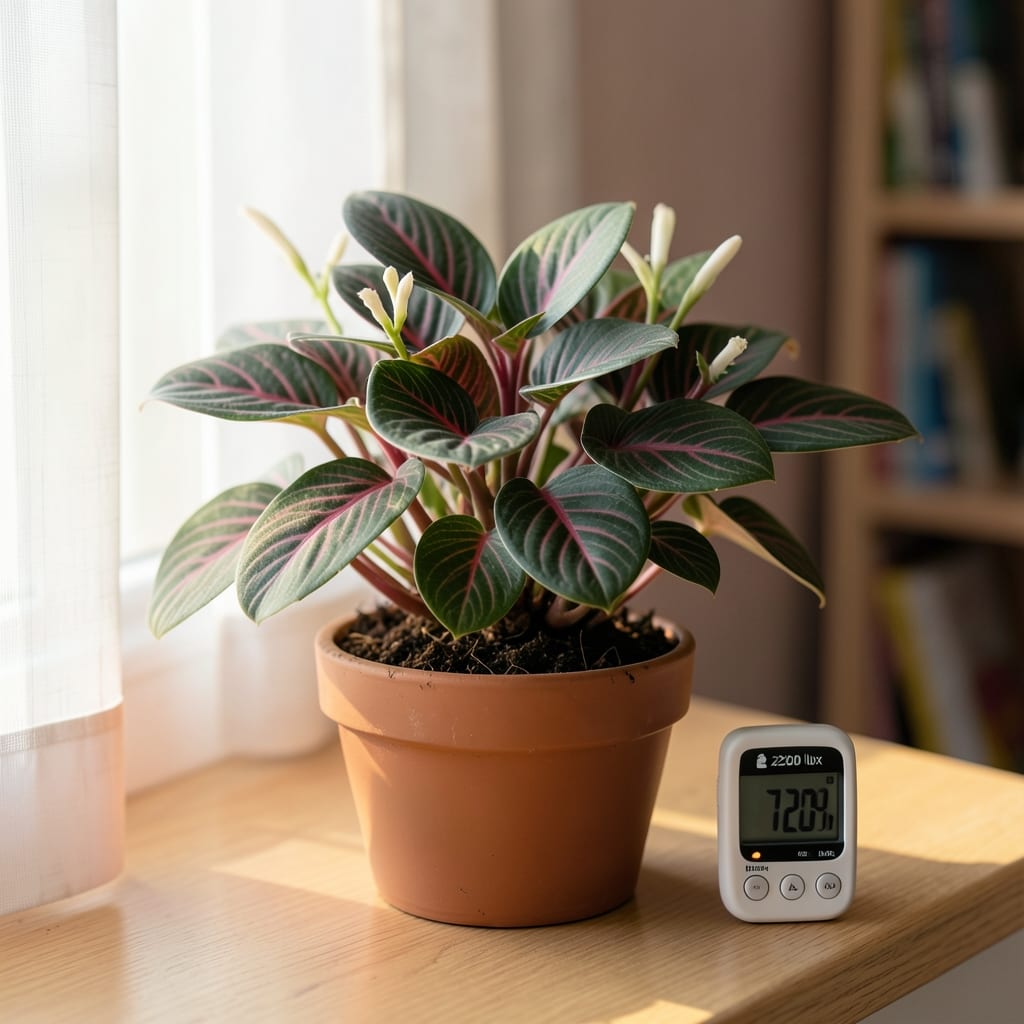
If you’re wondering how much light does a Prayer Plant need to keep its signature velvety leaves thriving, the answer lies in striking the perfect balance—too little dulls its colors, while too much turns those gorgeous leaves crispy at the edges. The key? Finding that sweet spot of bright, indirect sunlight that keeps your plant thriving without the guesswork.
Most people assume these striking plants need low light, but the truth is, they crave moderate brightness—think east-facing windows where the morning sun gently kisses the leaves. I’ve learned the hard way that placing them in harsh afternoon rays or deep shade leads to disappointment, but with the right setup, you’ll see those leaves popping with their natural patterns.
In this guide, I’ll break down exactly how much light your Prayer Plant needs—from ideal placement to spotting signs of stress—and share practical fixes for when your space falls short or gets too intense. Whether you’re dealing with winter’s dim days or summer’s blazing windows, you’ll know exactly how to adjust care for a plant that always looks its best.
Ready to give your Prayer Plant the perfect light conditions? Let’s dive into the simple secrets that’ll keep those leaves lush, vibrant, and full of life all year round.
 Best Window Placement
Optimal light requirements for prayer plant growth: bright indirect sunlight explained
Your Prayer Plant thrives in bright, indirect light, which mimics its natural understory habitat. This means positioning it where it gets 4-6 hours of filtered sunlight daily, like an east-facing window where morning sun gently brightens the leaves without harsh intensity. I’ve found that west-facing windows can work too, but only if you shield the plant from the intense afternoon rays with a sheer curtain.
The key is avoiding two extremes: direct midday sun (which causes leaf burn) and deep shade (which dulls the foliage). Think of it like Goldilocks—you want the light that’s "just right." For example, placing your plant 2-3 feet away from an east window gives it enough brightness to maintain its vibrant patterns without risking crispy edges.
Here’s how to spot if your Prayer Plant is getting the right amount of light: Healthy leaves should stay deep green with their signature variegation. If the leaves turn pale or yellowish, it’s begging for more light. Conversely, if they develop brown, crispy edges or look bleached, it’s getting too much direct sun. These visual cues are your plant’s way of communicating its needs!
Seasonal changes also play a role. In summer months, when sunlight is strongest, you might need to move your plant slightly farther from the window or add a light filter. In winter’s dimmer days, supplementing with a simple grow light for a few hours can prevent the plant from stretching or losing its color. I’ve used a basic LED grow bulb on a timer for my Prayer Plants during shorter days, and it makes a noticeable difference.
| Light Condition | Ideal Placement | Leaf Indicators | Adjustment Needed |
|---|---|---|---|
| Bright Indirect | East/West window, 2-3 ft away | Deep green, vibrant patterns | None |
| Low Light | North window or shaded room | Pale, stretched leaves | Move closer to light or add grow light |
| Direct Sun | South window or afternoon sun | Brown crispy edges, bleached spots | Use sheer curtain or move farther |
Another trick I’ve used is rotating the pot every few weeks. Prayer Plants naturally grow toward the light, so turning them ensures even growth and prevents them from leaning. This is especially helpful if your plant starts developing a lopsided shape—it’s a sign it’s stretching toward a light source. A simple quarter-turn every 7-10 days keeps them balanced and encourages fuller foliage.
If you’re unsure about your home’s light conditions, try this quick test: Hold a piece of white paper near your plant for a few hours. If the paper gets bright but not scorching, it’s a good spot. If it stays dim, your plant needs a brighter location. This method helps eliminate guesswork and ensures you’re providing the ideal environment for your Prayer Plant’s growth.
Remember, consistency is key. Sudden changes in light—like moving your plant from a dim corner to a sunny windowsill—can cause stress. If you need to adjust its location, do it gradually over 1-2 weeks to give it time to adapt. This slow transition prevents shock and helps maintain those stunning leaves you love so much.
For those with limited natural light, a combination of a north-facing window and a grow light can work wonders. I’ve had success with a 10-12 inch LED grow bulb placed 6-12 inches above the plant for 6 hours a day. It’s a game-changer for keeping your Prayer Plant thriving, even in darker spaces. The goal is to mimic that bright indirect light as closely as possible.
Finally, don’t forget that humidity levels can influence how your plant responds to light. Prayer Plants naturally thrive in 60-70% humidity, which complements their light needs. If your home is dry, especially in winter, consider placing a humidifier nearby or using a pebble tray with water to create a more favorable microclimate. This extra care step ensures your plant stays healthy and vibrant, no matter where you place it.
Optimal light requirements for prayer plant growth: bright indirect sunlight explained
Your Prayer Plant (Maranta leuconeura) thrives in bright, indirect light, but many gardeners mistakenly assume it prefers low light. In reality, it needs enough brightness to maintain its vibrant foliage patterns—just not the harsh, direct rays that scorch leaves. Think of it like a sunbather who wants a golden tan without burning: gentle but consistent light exposure is key.
The ideal spot is near an east-facing window, where morning sunlight is soft and filtered. This setup provides 4-6 hours of indirect light daily, which is perfect for encouraging healthy growth without stress. If your home lacks natural east-facing light, a west-facing window with sheer curtains can work too, as the curtains diffuse the stronger afternoon sun.
Here’s how to recognize if your plant is getting the right amount of light—or if it’s struggling:
| Light Condition | Leaf Appearance | Adjustment Needed |
|---|---|---|
| Too Little Light | Pale, dull leaves; slow growth | Move closer to a brighter window or use a grow light |
| Perfect Light | Deep green/burgundy foliage; upright growth | No changes needed—keep current setup! |
| Too Much Light | Brown, crispy edges; bleached spots | Move to indirect light or add sheer curtains |
Seasonal changes can throw off your Prayer Plant’s light balance. In winter, when natural light dims, supplement with a 12-hour grow light placed 12-18 inches away. Conversely, during summer, watch for intense afternoon sun—rotate your plant quarter-turns weekly to prevent one-sided exposure. This simple trick ensures even growth and keeps those stunning leaves symmetrical.
Pro tip: If your plant starts drooping or losing its pattern, it’s often a sign of light stress. Check the back of the leaves for color clues—healthy undersides are a vibrant purple, while pale or yellowing indicates poor light conditions. Adjust gradually to avoid shocking the plant, especially if moving it from low to bright light.
Remember, the goal is consistency. Prayer Plants adapt well to stable light conditions, so once you find the sweet spot, your plant will reward you with lush, patterned foliage for years to come. With these adjustments, you’ll master the art of keeping your Prayer Plant thriving—no guesswork required!