
Light Requirements
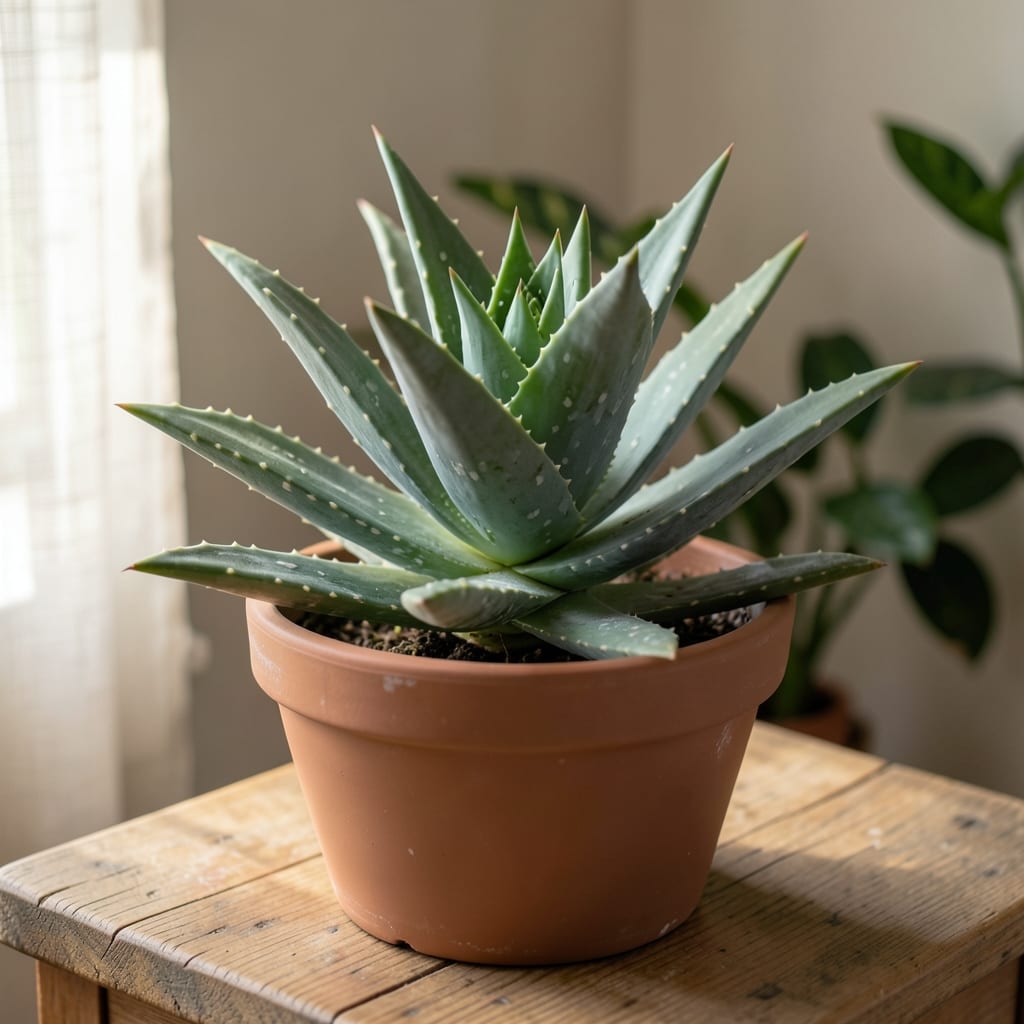
If your aloe vera 🌱 plant is stretching toward the light like it's reaching for a high-five, you're not giving it enough sunshine. Aloe vera thrives under bright conditions, but too much or too little light can turn your succulent into a sad, leggy shadow of its potential.
Most people assume any sunlight will do, but aloe vera needs 6+ hours of direct or bright indirect light daily to stay plump and vibrant. Too little light leads to weak growth, while too much can scorch those beautiful leaves. Let's break down exactly how to strike the perfect balance for your plant's happiness.
Whether you're growing your aloe vera indoors by a sunny window or outdoors in your garden, placement matters. I'll show you how to spot the signs of light stress and adjust your plant's environment before it's too late. With these simple tips, you'll have a thriving aloe vera that's the envy of every plant lover.
Ready to transform your aloe vera from a struggling survivor to a proud, healthy centerpiece? Let's dive into the ideal light conditions that will have your plant looking its best year-round.

Ideal light requirements for aloe vera: sun vs bright indirect light explained
Aloe vera plants thrive under bright, direct sunlight, but they’re surprisingly adaptable to other light conditions. As a succulent, they’ve evolved to handle intense sun exposure, but too much can scorch their leaves. The key is finding that sweet spot between 6 and 8 hours of sunlight daily, depending on your climate and season. In my experience, aloe vera grows fastest and healthiest with full sun exposure, but even bright indirect light can work if you adjust care habits accordingly.
Outdoors, aloe vera plants love south-facing locations where they can bask in the midday sun. If you’re growing them in pots, rotate the plant every few weeks to ensure even light exposure on all sides. This prevents lopsided growth and keeps those plump, vibrant leaves you love. I’ve seen aloe vera plants in my backyard grow from 6 inches to nearly 2 feet tall in just one season when given full sun!
Indoors, the story changes slightly. Most homes don’t have enough natural light to satisfy an aloe vera’s needs, so you’ll need to get creative. A south-facing window is ideal, but even east or west-facing windows can work if the plant gets at least 4-6 hours of direct light daily. If your space is dim, don’t worry—we’ll cover artificial light solutions later in this guide.
Seasonal adjustments are crucial. During summer months, aloe vera can handle up to 10-12 hours of sunlight, especially in cooler climates. However, in winter, when sunlight is weaker, supplement with a grow light or move your plant closer to the window. I’ve had to relocate my aloe vera indoors during harsh winters, and with a little extra light, it continues to thrive.
Now, let’s break down the exact light requirements in a clear, easy-to-reference table so you can visualize the perfect setup for your aloe vera.
The table above shows why full sun is ideal for aloe vera, but it also highlights how adaptable these plants can be. If you’re in a hot, dry climate, your aloe vera might need afternoon shade to prevent leaf burn. Conversely, in cooler regions, they can handle more direct sunlight year-round. Always monitor your plant’s response—if the leaves start turning reddish-brown, it’s getting too much sun.
For indoor growers, the challenge is often low-light conditions. If your aloe vera starts stretching toward the light (a condition called etiolation), it’s a clear sign it needs more brightness. In my apartment, I’ve used a combination of south-facing windows and LED grow lights to keep my aloe vera happy. Even just 4 hours of direct light per day can make a huge difference in preventing those sad, leggy stems.
Pro tip: If you’re unsure about your space’s light levels, use a light meter app on your phone to measure lux (a unit of light intensity). Aloe vera thrives in 10,000-20,000 lux—anything below 5,000 lux is too dim. I’ve used these apps to troubleshoot my own plants, and they’ve saved me from overwatering or underwatering based on incorrect light assumptions!
Remember, aloe vera is a low-maintenance plant, but light is its #1 priority. Once you nail the right exposure, you’ll see faster growth, thicker leaves, and a plant that’s resilient against pests and diseases. Next, we’ll cover how to spot when your aloe vera isn’t getting the right amount of light—and how to fix it before it’s too late.
Signs your aloe vera isn’t getting enough (or too much) light
Your aloe vera’s leaves tell a story about its light conditions, and ignoring these signs can mean the difference between a thriving plant and one that’s struggling to survive. When your aloe vera isn’t getting enough light, it starts stretching toward the nearest light source—a condition called etiolation. This causes long, leggy stems and thin, pale leaves that look more like grass than the thick, plump leaves you want. I’ve seen this happen when indoor growers place their aloe vera too far from windows or in dimly lit rooms. The plant essentially "reaches" for light, becoming weak and vulnerable to pests.
On the flip side, too much direct sunlight can cause leaf burn, visible as brown or white patches on the tips or edges of leaves. In extreme cases, the leaves may develop a reddish or purplish tint, especially in hot climates. This is your aloe vera’s way of saying, "I’m getting sunburned!" I once left my outdoor aloe vera in full afternoon sun without shade, and within days, the leaves started crisping at the edges. Moving it to partial shade saved it, but the damage was already done to those poor leaves.
Another red flag is yellowing leaves, which can indicate either overwatering in low light or nutrient deficiencies from poor light exposure. When aloe vera doesn’t get enough light, it struggles to photosynthesize efficiently, leading to weak roots and poor nutrient uptake. I’ve noticed this in my own plants during winter when natural light drops. The fix? Move your plant to a brighter spot or supplement with a grow light. If the yellowing is paired with soft, mushy leaves, it’s likely overwatering—always check the soil moisture before assuming it’s a light issue.
Let’s break down the key symptoms in an easy-to-reference pros and cons format so you can quickly diagnose your aloe vera’s light needs and take action.
✅ Signs of UNDERLIGHTING
- Leggy stems: Stretching toward light
- Thin, pale leaves: Losing color and thickness
- Slow growth: Fewer new leaves over time
- Weak roots: Soil stays damp longer
❌ Signs of OVERLIGHTING
- Brown patches: Crispy or dried edges
- Reddish tint: Leaves develop purple hues
- Leaf burn: White or translucent spots
- Wrinkled texture: Leaves lose plumpness
💡 Quick Fixes
- Move to brighter spot for underlighting
- Provide afternoon shade for overlighting
- Rotate plant weekly for even growth
- Use grow lights for indoor low-light
If you notice these signs, don’t panic—aloe vera is resilient! The key is acting quickly. For example, if your aloe vera is stretching toward a window, moving it closer to the light source or using a reflective surface (like a white wall or mirror) can bounce more light onto the plant. I’ve even used aluminum foil behind pots to reflect light into dim corners. For overlighted plants, a simple light-colored curtain or moving the plant to a spot with morning sun only can work wonders.
Pro tip: Pay attention to the time of day your aloe vera gets light. Morning sun is gentler than harsh afternoon rays, especially in hot climates. If you’re unsure whether your plant is getting too much or too little light, take a photo every few days. You’ll quickly spot changes in leaf color, texture, and growth patterns. I keep a small notebook by my plants to track these observations—it’s saved me from making the same mistake twice!
Remember, aloe vera is a tough plant, and with the right light adjustments, it can bounce back from even severe stress. Next, we’ll explore the best window placements and artificial light solutions to ensure your aloe vera gets the perfect amount of light year-round, no matter where you live.