
How To
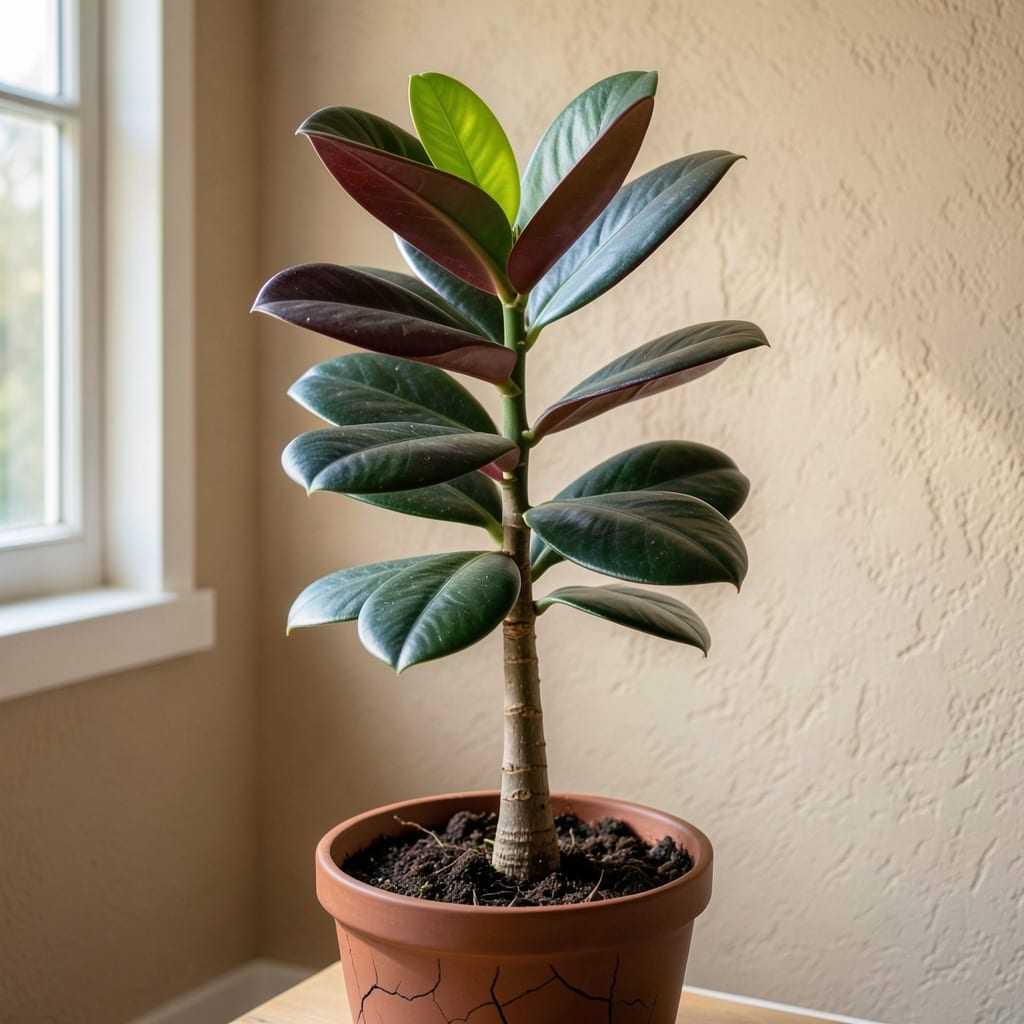
If your rubber plant 🌿 keeps stretching toward the window like it’s searching for a hug, you’re not alone—how much light for rubber plant success boils down to one key factor: bright, indirect sunlight. Too little, and you’ll end up with leggy, sad leaves; too much, and you risk crispy brown patches. The good news? Getting it right is easier than you think, and I’ve got the exact placement tips to keep your plant thriving.
Rubber plants are forgiving, but they do have preferences. Unlike some high-maintenance houseplants, they’ll survive in lower light, but that’s when their growth slows to a crawl. The sweet spot? A spot near an east- or west-facing window where they get 4-6 hours of gentle, filtered light daily. Think of it as their version of a cozy reading nook—no harsh midday sun needed.
What happens when you get it wrong? Yellowing leaves? Brown tips? I’ll show you how to spot these red flags early and adjust before your plant throws in the towel. Plus, I’ll share my top tricks for indoor setups where natural light is scarce—because even city dwellers can grow a lush rubber plant with the right setup.
Ready to transform your rubber plant from struggling survivor to showstopper? Let’s dive into the exact light conditions, troubleshooting tips, and even artificial lighting hacks to keep your 🌿 happy year-round—no guesswork required.


Optimal light requirements for rubber plant growth
Your rubber plant (Ficus elastica) thrives when placed in the perfect light spot—neither too dim nor scorching. The key is bright indirect sunlight, which mimics its natural tropical habitat. Without this balance, you’ll see either leggy, sparse growth or brown, crispy leaves. Let’s break down exactly what your plant needs to flourish.
Rubber plants prefer 4-6 hours of bright, filtered light daily. Think of it like a morning coffee in the sun—gentle but energizing. Direct midday sun, especially through south-facing windows, can cause leaf burn, turning vibrant green leaves into sad, brown patches. Meanwhile, too little light leads to pale, weak stems and small, sparse leaves.
Here’s the golden rule: position your rubber plant 2-3 feet from an east or west-facing window. East windows offer soft morning light, while west windows provide gentle afternoon sun. South-facing windows? Use a sheer curtain to diffuse the harsh rays. North-facing windows are trickier—they’re too dim for optimal growth unless you supplement with artificial light.
If your home lacks natural light, don’t worry—artificial grow lights can save the day. A full-spectrum LED grow light placed 6-12 inches above your plant mimics sunlight perfectly. Run it for 12-14 hours daily to keep your rubber plant happy, even in a dim basement or office. Just avoid placing it too close; 3-4 inches is the sweet spot to prevent leaf burn.
Rotating your plant quarter-turns every 2-3 weeks ensures even growth. Rubber plants naturally grow toward light, so one side can become overly stretched while the other stays compact. This simple habit keeps your plant symmetrical and sturdy, preventing it from toppling over.
Outdoor rubber plants? They love partial shade—think dappled sunlight under a tree canopy. Avoid placing them in full sun during peak summer hours (10 AM–4 PM). Instead, move them to a shadier spot afternoons or bring them indoors during heatwaves. Their leaves will thank you with rich, deep green color instead of sun-damaged patches.
Pro tip: Test your plant’s light tolerance by observing its leaves. If they’re dark green and glossy, you’ve nailed the balance. If they’re light green or yellowing, it’s time to adjust. Remember, rubber plants are forgiving—they’ll bounce back with the right care, even if you’ve over- or under-exposed them in the past.
Now that you know the ideal light setup, your rubber plant is one step closer to becoming the showstopper of your space. Next, we’ll cover how to spot when light conditions are off—so you can fix issues before they become serious. 🌿
Optimal light requirements for rubber plant growth
Rubber plants (Ficus elastica) thrive best with bright indirect sunlight, making them perfect for indoor spaces with natural light. Unlike sun-loving succulents, they hate direct sun, which can scorch their glossy leaves. The key is finding that golden balance—enough light for vibrant growth but not so intense it causes damage.
In nature, rubber plants grow under the dappled shade of tropical forests, where sunlight filters through leaves. Recreating this in your home means placing them near east or west-facing windows, where morning or soft afternoon light dominates. South-facing windows can work too, but only if you use a sheer curtain to diffuse harsh rays.
| Light Condition | Ideal Location | Growth Impact |
|---|---|---|
| Bright Indirect Light | East/west window, 2-3 ft away | Healthy, glossy leaves; steady growth |
| Low Light | North-facing window or dim room | Leggy growth, pale leaves, slow development |
| Direct Sunlight | South window without curtain | Brown leaf tips, crispy edges, sunburn |
If your home lacks natural light, don’t despair! Rubber plants are highly adaptable and can tolerate low-light conditions—though their growth may slow. In such cases, rotate the pot quarter-turns every 2 weeks to ensure even exposure. This prevents the plant from stretching toward one light source, which causes that unsightly leggy growth many beginners dread.
Outdoor rubber plants fare well in partial shade gardens, especially in USDA Zones 10-12, where they can handle morning sun and afternoon shade. In cooler climates, bring potted rubber plants indoors before temperatures drop below 50°F, as cold drafts stress the plant. A sunroom or greenhouse with filtered light is ideal for year-round outdoor enjoyment.
Pro tip: Test your plant’s light exposure by observing its leaves. If new growth appears darker and glossier than older leaves, you’ve nailed the perfect spot. If the leaves look washed out or sparse, it’s time to move it closer to a brighter window—or invest in a grow light for consistency.
Remember, rubber plants are forgiving, but consistency is key. Small adjustments—like rotating the pot or trimming leggy stems—can make a world of difference in your plant’s health and appearance. With the right light, your rubber plant will reward you with bold foliage and robust growth for years to come. 🌿