
How To
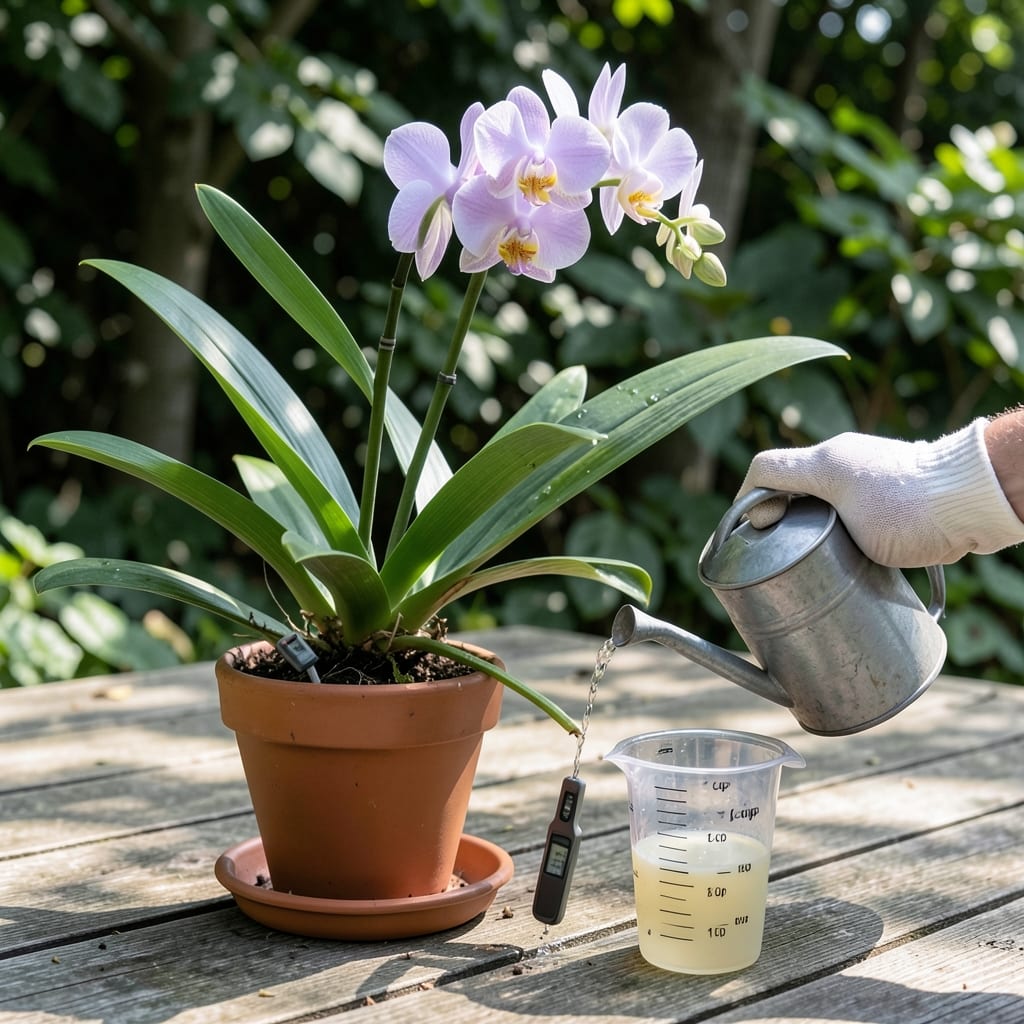
Daily watering schedule for outdoor orchids by species type
Outdoor orchids thrive on a careful balance of moisture, but their needs vary dramatically by species. Unlike their indoor counterparts, outdoor orchids face fluctuating humidity, wind, and temperature—meaning your watering routine must adapt. For example, Phalaenopsis orchids (moth orchids) prefer slightly more frequent watering than Cattleya or Dendrobium varieties. Let’s break down the daily watering needs for the most popular outdoor orchid types, so you can tailor your care to their specific requirements.
First, understand that outdoor orchids generally need watering every 1-3 days, depending on the species, pot size, and weather. A good rule of thumb is to check the top inch of soil—if it feels dry, it’s time to water. However, this changes when you factor in humidity levels (high humidity means less frequent watering) and pot material (terracotta dries faster than plastic). Below, I’ve outlined the ideal watering schedules for three common outdoor orchid species, plus tips for adjusting based on your local climate.
🌸
One of the biggest mistakes I see is treating all orchids the same. For instance, Phalaenopsis orchids love consistent moisture and may need daily watering in hot, dry climates, while Cattleya orchids can handle slightly drier conditions between waterings. The key is to mimic their natural epiphytic (air-rooted) habits. Most outdoor orchids grow on trees in the wild, where they absorb moisture from the air and brief rain showers rather than sitting in soggy soil.
If you’re growing orchids in containers, opt for pots with drainage holes and use a chunky bark mix to replicate their natural environment. Terracotta pots dry out faster than plastic, so adjust your watering schedule accordingly. For orchids planted directly in the ground, mulch around the base with orchid bark or coconut fiber to retain moisture without suffocating the roots.
💧
Another critical factor is water quality. Outdoor orchids are sensitive to chemicals like chlorine and fluoride found in tap water. If your water supply is treated, let it sit out for 24 hours before watering or use rainwater or distilled water instead. I’ve found that orchids grown with rainwater often have brighter blooms and fewer issues with root rot. You can also collect rainwater in a barrel for a free, chemical-free water source.
Let’s talk about seasonal adjustments, which can drastically change your watering routine. In spring and summer, when temperatures rise and humidity drops, most orchids will need more frequent watering—sometimes even daily. However, in fall and winter, many orchids enter a dormant phase and require far less water. For example, Dendrobium orchids might only need water every 5-7 days during winter dormancy. Always observe your orchid’s leaves and roots for signs of stress, as they’ll communicate their needs through subtle changes.
🌿
To summarize, here’s my go-to watering
Daily watering schedule for outdoor orchids by species type
Outdoor orchids aren’t all created equal—each species has unique watering needs that depend on their natural habitat and growth habits. For example, Phalaenopsis orchids (moth orchids) thrive with daily misting or shallow watering because they love humidity, while Cattleya orchids prefer slightly drier conditions and need watering every 2-3 days. Understanding these differences ensures your orchids stay healthy and blooming.
Climate plays a huge role too. In hot, dry summers, most orchids will need more frequent watering, but in cool, humid springs, you might only need to water every other day. Even the pot size matters—smaller pots dry out faster, while larger containers can hold moisture longer. Always check the top inch of soil before watering; if it’s dry, it’s time to hydrate.
🌱 Outdoor Orchid Watering Comparison
| Species | Watering Frequency | Soil Moisture Goal | Best Time to Water |
|---|---|---|---|
| Phalaenopsis | Daily (morning) | Consistently moist | 6-9 AM |
| Cattleya | Every 2-3 days | Slightly dry topsoil | Early morning |
| Dendrobium | Every 3-4 days (summer) | Dry between waterings | Late morning |
| Oncidium | Every 2 days | Moist but well-draining | Morning (avoid evening) |
💧 Note: Adjust for humidity—add water in dry climates, reduce in humid areas.
For Phalaenopsis orchids, I recommend using a spray bottle to mimic their tropical rainforest home. These orchids love humidity, so a quick misting around the leaves (not the flowers) can help maintain the right environment. Cattleya orchids, on the other hand, prefer a drier root zone, so watering deeply but less frequently keeps their roots healthy. Always use room-temperature water to avoid shocking the plant.
One trick I swear by is the "soak-and-drain" method. Place your orchid in a sink or shallow tray and let water run through the pot for 5-10 minutes. This ensures the roots get a thorough drink without sitting in stagnant water. After watering, let the pot drain completely—orchids hate soggy roots, which can lead to root rot and other issues.
If you’re unsure whether your orchid needs water, gently tug on the pot. If it feels light, it’s time to hydrate. If it’s heavy, wait another day. Overwatering is the #1 killer of orchids, so it’s always better to err on the side of caution. Pay attention to your orchid’s growth patterns—healthy leaves should be firm and green, not wrinkled or yellowing.
Remember, outdoor orchids also benefit from rainwater if possible, as it’s naturally softer and free of chemicals found in tap water. Collect rainwater in a barrel during storms and use it to water your orchids for the best results. With the right watering routine, your outdoor orchids will reward you with stunning blooms all season long! 🌸