
Orchid Care
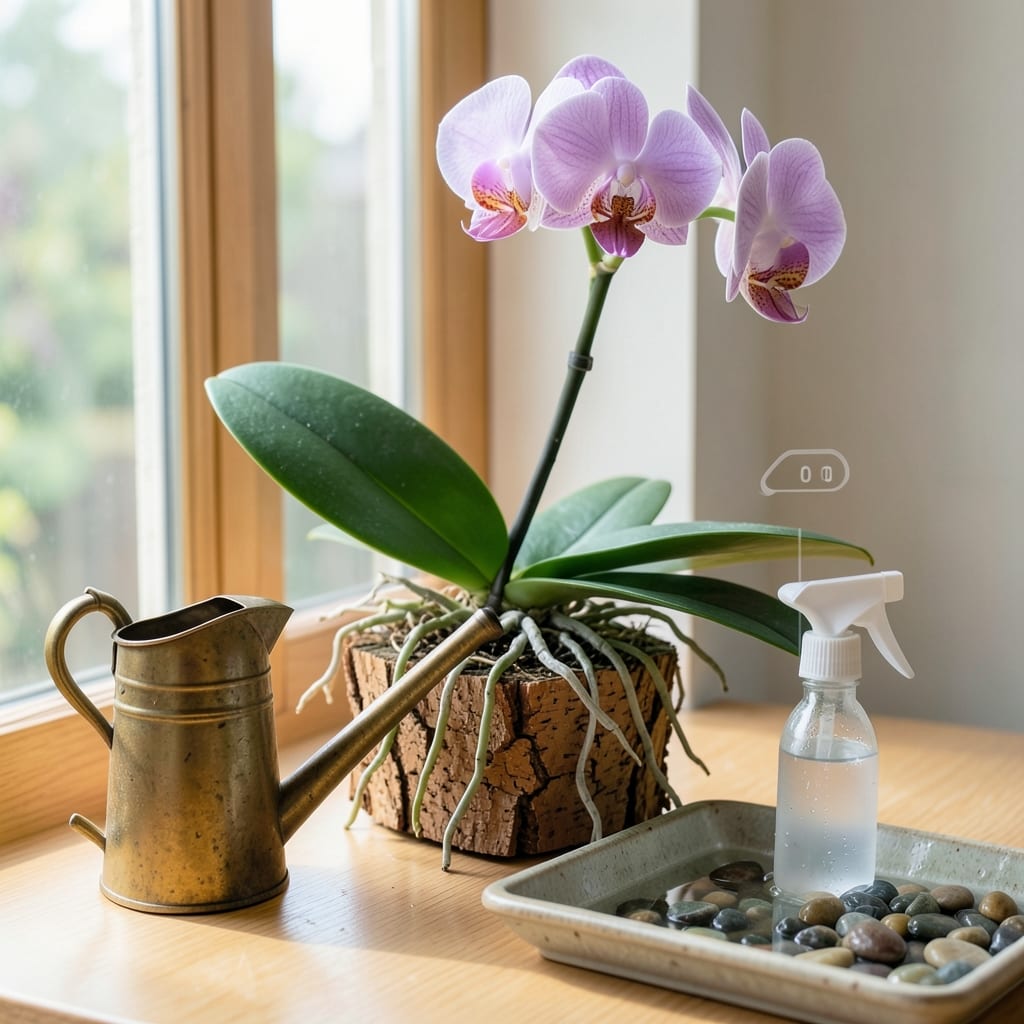
Figuring out how often to water mounted orchids can feel like solving a puzzle—one wrong move, and your stunning 🌸 might start to wilt or rot. The good news? There’s a simple rhythm once you understand the key factors, like humidity, temperature, and even your orchid’s favorite season.
I’ve spent years watching my mounted orchids thrive (and occasionally protest) when I adjust their watering schedule with the seasons. Whether you’re dealing with dry winter air or a steamy summer, small tweaks make all the difference. Let’s break down the exact routine that keeps your orchid’s roots happy without drowning them.
The biggest mistake? Assuming a one-size-fits-all approach. Your orchid’s needs shift dramatically from spring’s growth spurt to winter’s rest. I’ll show you how to read the signs—like root color or leaf texture—and fine-tune your watering like a pro, so you never guess again.
Ready to master the art of moisture control? By the end, you’ll know exactly when to reach for that spray bottle (or hold off) to keep your mounted orchid blooming beautifully all year. Let’s get started!
Optimal watering frequency for mounted orchids by season
Mounted orchids rely on their unique growing conditions—airflow circulation and moisture absorption through bark or slabs—to thrive. Unlike potted orchids, they can't hold excess water, making their watering schedule highly dependent on seasonal changes. In spring and fall, when temperatures moderate and humidity rises, your orchids will need more frequent hydration to support new growth and blooming. Meanwhile, summer’s heat and winter’s dry air demand adjustments to prevent root rot or desiccation.
Your local climate plays a critical role too. Orchids in humid tropical regions (like Florida) may require daily misting during summer, while those in dry temperate zones (like Arizona) might need bi-weekly soaking even in peak heat. Always check the mounting material—if it’s dry to the touch, it’s time to water. For tree fern slabs, this means a light spray; for bark, a gentle soak until water runs through.
Here’s how to tailor your watering routine by season, ensuring your mounted orchids stay lush and blooming year-round:
Spring is your orchid’s growth spurt season, so weekly watering mimics natural rainfall patterns. Use a spray bottle for fine misting or immerse the mount in water for 10-15 minutes, then let it drain completely. Avoid water pooling—this is the #1 cause of root rot in mounted orchids. If your orchid is blooming, increase humidity around it with a pebble tray filled with water and gravel.
Summer brings intense evaporation, so bi-weekly soaking is ideal—but adjust based on heat and humidity. In arid climates, daily light misting in the early morning prevents leaf burn from afternoon sun. Pro tip: Place a hygrometer near your orchid to monitor humidity levels; aim for 50-70% during summer. If your leaves feel crispy, it’s a sign of underwatering; if they’re yellowing, you’re overdoing it.
Fall marks a transition—reduce watering as daylight shortens and temperatures drop. Weekly light sprays suffice, but watch for signs of stress. If your orchid’s growth slows or roots darken, it’s entering dormancy and needs less water. Winter care is all about patience. Most mounted orchids halt growth in cold months, so bi-weekly watering (or less in dry air) keeps them stable without rot risk. Never water frozen mounts—wait until thawed to avoid root damage.
Airflow is just as critical as watering. Mount your orchids in locations with gentle breezes (like near a fan on low or an open window). Poor airflow traps moisture, leading to fungal infections. Test your setup: If condensation forms on the mounting material within 24 hours of watering, increase airflow immediately. Pro move: Elevate your orchid on a slatted rack to allow circulation on all sides.
For tropical climates, where humidity stays high year-round, daily misting may be necessary in summer. Use room-temperature water and avoid tap water with chlorine—let it sit 24 hours or use filtered water. Rainwater is ideal if collected safely. Temperature swings (like hot days and cold nights) can confuse your orchid’s water needs, so consistency is key. Morning watering gives excess moisture time to evaporate before evening.
Signs of proper hydration include firm, green roots and plump leaves. If you see shriveled pseudobulbs or wrinkled leaves, it’s time to increase watering. Conversely, mushy roots or blackened bark mean cut back immediately and improve airflow. Adjust your schedule every 2-4 weeks based on your orchid’s response—this is the secret to long-term success** with mounted orchids.
Signs your mounted orchid is overwatered or underwatered
Mounted orchids are sensitive to moisture levels, and their roots can’t recover quickly from watering mistakes. Learning to read their subtle signals helps you adjust care before damage sets in. Overwatering and underwatering both show up in the roots, leaves, and growth patterns—here’s how to spot them early.Overwatered orchids often have shriveled, mushy roots that turn from silvery-green to brown or black. The mounting material stays damp for days, and the leaves may develop yellow patches or feel soft to the touch. If you see mold or fungus on the bark or roots, it’s a clear sign of excess moisture and poor airflow.
Underwatered orchids, on the other hand, show wrinkled, papery leaves and dry, papery roots that pull away from the mounting material easily. The bark may feel bone-dry, and the plant might drop buds or flowers before blooming. Both conditions stress the orchid, but the fixes are simple once you recognize the symptoms.
| Symptom | Root Condition | Leaf Condition | Action |
|---|---|---|---|
| Overwatered | Mushy, brown/black | Yellow, soft, or moldy | Remove from mount, trim dead roots, increase airflow |
| Underwatered | Dry, papery, shriveled | Wrinkled, crispy edges | Soak in water for 10-15 mins, mist daily until recovered |
| Ideal Condition | Silvery-green, firm | Thick, glossy, upright | Maintain current watering schedule |
If your orchid’s roots are healthy but the leaves are drooping, it might need a light trim of dead growth and a few days of shade to recover. For severe overwatering, remove the orchid from its mount, rinse the roots gently, and let them dry completely before remounting on fresh bark. Underwatered orchids often bounce back quickly with a deep soak and increased humidity around their roots.
Pro tip: Use a moisture meter or the finger test—stick your finger into the mounting material near the roots. If it feels damp but not soggy, your orchid is happy. If it’s completely dry, it’s time to water. Adjust your schedule based on your home’s humidity levels (lower humidity = more frequent watering).
Remember, mounted orchids rely on airflow as much as water. If you notice slow growth or no new leaves, even with proper watering, check for stagnant air around the mount. A gentle fan on low can mimic natural breezes and prevent rot.