
How To
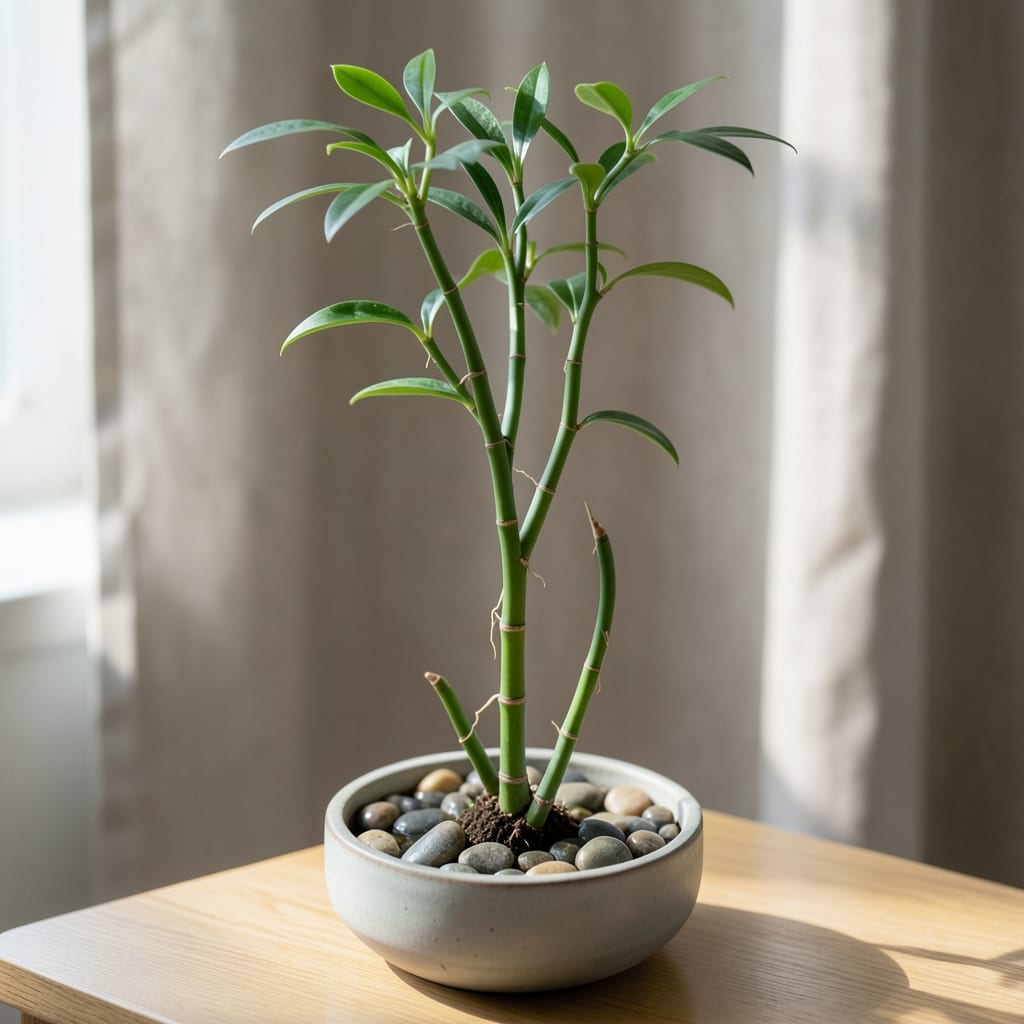
If you’ve ever wondered just how tall bamboo grow, you’re about to discover why this plant can feel like nature’s skyscraper—some varieties stretch taller than your neighbor’s house, while others stay neatly tucked into your garden. The truth is, bamboo’s height isn’t just about luck; it’s a mix of genetics, care, and even where you live.
Picture this: a 🌿 bamboo shoot that can grow 3 feet in a single day under the right conditions. But not all bamboo is created equal—some species max out at a manageable 10 feet, while others shoot up to 60 feet or more. Whether you’re dreaming of a privacy screen or worried about a runaway giant, understanding the factors behind bamboo’s height is your first step to success.
In this guide, I’ll break down the key differences between running and clumping bamboo, how climate and soil play into the equation, and which varieties are perfect for small spaces. You’ll also learn how to encourage—or contain—growth based on your yard’s size and your gardening goals.
Ready to turn your curiosity into a thriving bamboo garden? Let’s dive into the science and secrets behind these fast-growing giants—so you can plant with confidence, whether you want a towering statement piece or a compact, easy-care addition to your landscape.


Bamboo growth heights by variety: running vs. clumping types explained
If you’re dreaming of a lush, privacy-providing bamboo screen, you’ll want to know that bamboo heights vary wildly—from dwarf varieties under 10 feet to towering giants that dwarf your two-story home. The first key factor? Whether your bamboo is running or clumping. Running bamboo spreads aggressively, often reaching 30-60 feet, while clumping types stay put and max out at 15-20 feet. Let’s break down the height differences and what they mean for your garden.
Running bamboo, like the Phyllostachys genus, sends out underground runners that can spread 10+ feet per year. This means not only will the stalks grow tall, but they’ll also colonize your yard unless contained. Clumping bamboo, such as Bambusa multiplex, grows in tight clusters and rarely spreads beyond its planted area. For height alone, running types dominate, but clumping varieties offer easier control and are ideal for small spaces.
Here’s where it gets interesting: even within running bamboo, heights differ. The Phyllostachys bambusoides (Golden Bamboo) can shoot up to 60+ feet, while Phyllostachys aureosulcata (Yellow Groove Bamboo) typically tops out at 30-40 feet. Clumping types like Borinda spp. rarely exceed 12 feet, making them perfect for patios or container gardening.
Choosing the right bamboo variety depends on your space and goals. If you’re after a natural privacy fence, running bamboo like Phyllostachys bambusoides will deliver, but you’ll need to install underground barriers to prevent spread. For a low-maintenance accent plant, clumping types like Bambusa multiplex are foolproof and stay within bounds.
Pro tip: Always check the mature height before planting. A 10-foot bamboo in a 6-foot-tall garden will quickly become a problem. Measure your space and factor in canopy spread, which can be nearly as wide as the plant’s height. For example, a 20-foot-tall bamboo might spread 15 feet outward, so plan accordingly.
Another critical consideration is your climate zone. Bamboo thrives in USDA zones 5-10, but taller varieties in colder zones may need winter protection. In hot, dry climates, some running bamboo can grow faster but may require extra water to reach their full height potential. Always match your bamboo’s native habitat to your growing conditions for best results.
For gardeners with limited space,
How fast does bamboo grow—and what controls its height?
Bamboo’s growth speed is legendary—some varieties can shoot up 3 feet in a single day during optimal conditions! This explosive growth is thanks to its unique monopodial structure, where new shoots emerge from the top of the stem rather than at the base. But how fast your bamboo grows—and how tall it gets—depends on several key factors, from your climate zone to your soil quality and care routine.
The growth rate varies wildly between species. For example, Phyllostachys aureosulcata (Yellow Groove Bamboo) can grow 1-2 feet per week in ideal conditions, while clumping varieties like Bambusa multiplex grow more slowly at 6-12 inches per year. Understanding these differences helps you set realistic expectations and plan your garden layout accordingly.
| Variety | Growth Rate (Per Year) | Mature Height | Key Growth Factor |
|---|---|---|---|
| Phyllostachys bambusoides | 3-5 ft | 60+ ft | Full sun + rich soil |
| Bambusa multiplex | 6-12 in | 10-15 ft | Clumping habit |
| Borinda sp. | 12-18 in | 5-10 ft | Container-friendly |
| Phyllostachys nigra | 2-3 ft | 40-50 ft | Humid climate |
Your climate zone plays a massive role in bamboo’s growth. In USDA Zones 7-10, where bamboo thrives, you’ll see the fastest growth rates. For example, in Zone 9, Phyllostachys species can reach maturity in just 3-5 years, while in cooler Zone 6, growth slows significantly. If you’re in a colder region, choose hardy varieties like Fargesia robusta, which tolerates -15°F and grows at a more manageable 1-2 feet per year.
Soil quality is another height controller. Bamboo loves well-draining, nutrient-rich soil with a pH between 6.0-7.5. Amend heavy clay with compost or sand to prevent root rot, which stunts growth. I’ve seen running bamboo in my garden double its height in a single season after adding a 5-inch layer of compost and mulching with straw. Fertilize in early spring with a balanced 10-10-10 mix to fuel rapid growth.
Sunlight exposure directly impacts height. While bamboo can tolerate partial shade, it reaches its maximum potential in full sun (6+ hours daily). In shadier spots, growth slows, and stems may become thinner and weaker. If you’re growing bamboo in a container, place it near a south-facing window or use grow lights to supplement. I’ve noticed my potted Bambusa multiplex grows 20% taller when moved to a sunnier spot during summer.
Finally, watering habits affect height. Bamboo needs consistent moisture—deep watering 2-3 times per week during hot months prevents stunted growth. However, overwatering leads to root rot, which kills the plant. I use a moisture meter to check soil levels before watering, ensuring my bamboo gets just the right amount. Mulching with wood chips helps retain moisture and keeps roots cool, which is especially important for tropical varieties like Dendrocalamus asper.