
How To
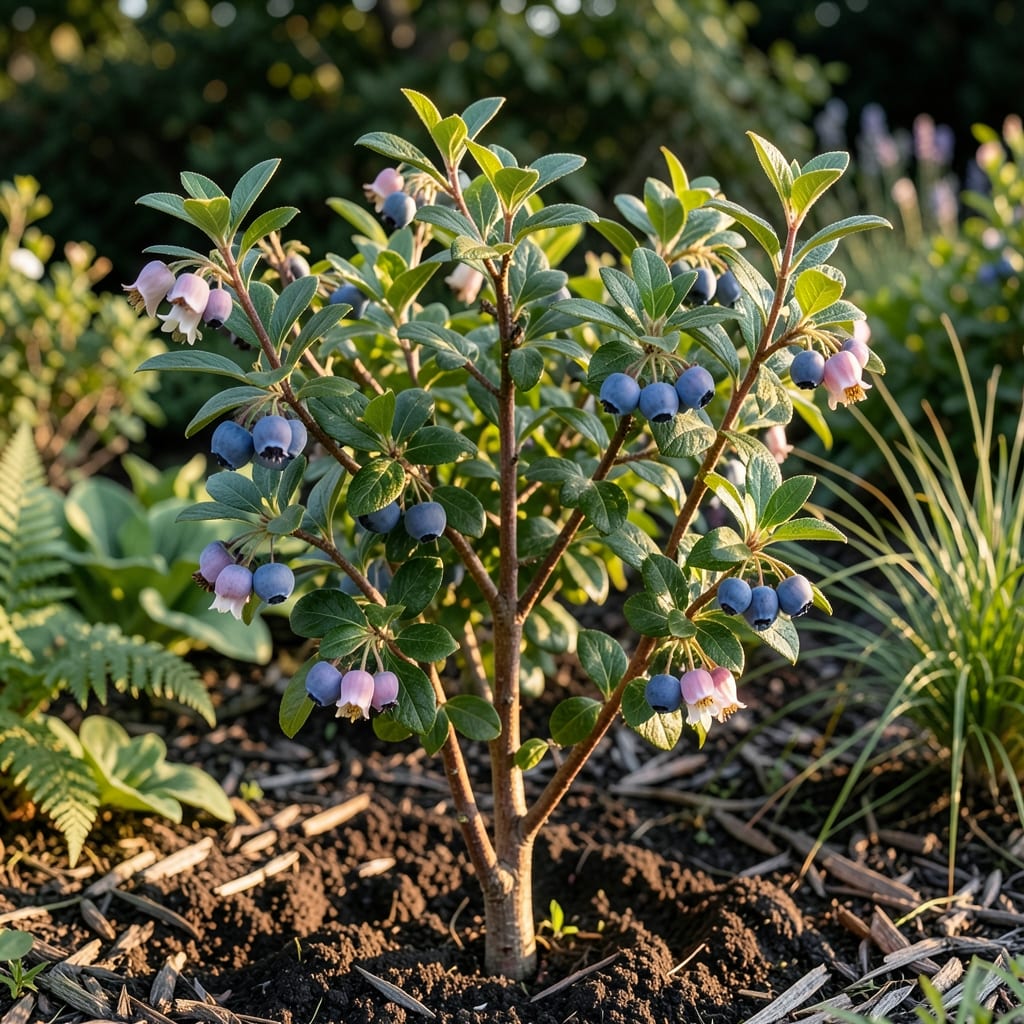
If you’ve ever wondered "how tall blueberry bushes grow", you’re not alone—many gardeners assume these 🫐 plants will just "grow as they may." But the truth is, their height depends on more than just time. Whether you’re planning a small backyard patch or a sprawling berry garden, knowing the year-by-year progression helps you space plants, prune strategically, and anticipate harvests.
The first year, your blueberry bush will likely stay modest—1 to 2 feet tall—while it focuses on root development. By year three, you’ll see a 50% height jump to 5 to 6 feet, assuming ideal conditions. But here’s the catch: dwarf varieties max out at 2 to 4 feet, while standard types can tower up to 12 feet if left unchecked.
Soil pH, sunlight, and pruning play a bigger role than you’d think. A slightly acidic soil mix and full sun exposure can accelerate growth, while neglecting pruning might leave you with a tangled mess. I’ll break down exactly how to control height—whether you want a compact bush or a tall, productive shrub—so you can shape your garden to fit your space.
Ready to stop guessing and start planning? Let’s dive into the year-by-year growth chart and the simple tweaks that make all the difference. Your future blueberry harvests will thank you!


Blueberry bush height progression by year: exact growth stages explained
Blueberry bushes grow at different rates depending on their variety, but most follow a predictable height progression over their first few years. Understanding this timeline helps you plan garden spacing and manage expectations for harvests. Northern highbush varieties typically mature faster than rabbiteye or southern highbush types, but all follow similar early growth patterns.
In their first year, blueberry bushes focus on root development rather than height. You’ll see 1–2 feet of growth if planted in ideal conditions, but most stay closer to 1 foot. This stage is critical for establishing a strong foundation for future growth. Dwarf varieties may only reach 6–12 inches, making them perfect for container gardening.
By year two, your bushes will surge in height, reaching 3–4 feet if given proper care. This is when you’ll start seeing canes (stems) that will bear fruit in subsequent years. Pruning in late winter helps direct energy toward vertical growth rather than dense foliage.
Year three marks a significant leap—5–6 feet tall—as the bush establishes its mature structure. This is when northern highbush varieties like 'Bluecrop' or 'Duke' begin producing meaningful harvests. Southern highbush types may lag slightly but follow a similar trajectory.
Here’s a detailed breakdown of blueberry bush height progression by variety and year, including dormancy periods and pruning impacts:
| Variety | Year 1 | Year 2 | Year 3 | Mature Height | Notes |
|---|---|---|---|---|---|
| Northern Highbush | 1–2 ft | 3–4 ft | 5–6 ft | 6–12 ft | Fastest growers; ideal for cooler climates |
| Southern Highbush | 1–1.5 ft | 2.5–3.5 ft | 4–5 ft | 5–8 ft | Heat-tolerant; slower early growth |
| Rabbiteye | 1–1.5 ft | 2–3 ft | 3.5–4.5 ft | 8–12 ft | Tallest variety; needs space |
| Dwarf Varieties | 6–12 in | 1.5–2.5 ft | 2–4 ft | 2–4 ft | Perfect for containers or small gardens |
Climate plays a huge role in growth rates. Cooler northern climates (USDA Zones 3–6) accelerate early growth, while hotter southern zones may see slower initial progression due to heat stress. Winter dormancy in colder regions also resets growth cycles annually.
Pruning in late winter (just before buds swell) encourages upward growth. Remove dead or crossing canes to redirect energy toward taller, stronger stems. Over-pruning can stunt height, so aim to remove no more than 25% of the bush in any single year.
By year four or five, most blueberry bushes reach their mature height, though growth continues in width. Standard varieties like 'Jersey' or 'Patriot' can top 10 feet, while dwarf types remain manageable at 2–4 feet. This is when you’ll see peak fruit production if all conditions are met.
If your bushes aren’t growing as expected, check soil pH (4.5–5.5), sunlight exposure (6+ hours daily), and water consistency. Yellowing leaves often signal p
Factors that determine how tall blueberry bushes grow (and how to optimize them)
Your blueberry bushes won’t all reach the same height—variety selection is the first factor. Dwarf varieties like Top Hat stay under 4 feet, while standard types like Duke can tower to 10–12 feet. Even within the same variety, soil pH plays a critical role—acidic soil (pH 4.5–5.5) unlocks their full growth potential.
Sunlight exposure directly impacts height progression. Blueberries thrive in full sun (6+ hours daily), but insufficient light leads to leggy, weak growth. I’ve seen bushes in partial shade grow 2–3 feet shorter than their sun-exposed counterparts. If your garden lacks full sun, consider dwarf varieties or container growing for better control.
| Factor | Optimization Tip | Impact on Height |
|---|---|---|
| Soil pH | Test and amend to 4.5–5.5 with sulfur or peat moss | ↑ 30–50% growth if ideal |
| Sunlight | Ensure 6+ hours full sun daily | ↑ 2–3 feet vs. partial shade |
| Watering | Deep water 1–2 gallons every 3–5 days | ↑ Consistent growth, prevents stunting |
| Pruning | Prune in late winter to remove old wood | ↓ Uncontrolled height, improves fruit yield |
Watering habits can make or break your blueberry’s height. Deep, infrequent watering (1–2 gallons every 3–5 days) encourages strong root development, while shallow, frequent watering leads to weak stems and stunted growth. In my garden, bushes I watered deeply grew 1–2 feet taller by year 3 compared to those with surface watering.
Pruning is another game-changer. Annual pruning in late winter removes old canes (over 5 years old) and shapes the bush, preventing it from growing too tall too fast. I prune my Duke variety aggressively to keep it under 8 feet, while my Top Hat gets minimal pruning to maintain its compact form.
Climate also plays a role—cooler northern regions slow growth slightly, while warmer southern climates can accelerate height progression. If you’re in a hot zone, mulching with 3–4 inches of pine straw keeps roots cool and encourages steady growth. In colder areas, winter protection (like burlap wraps) ensures the bush recovers fully each spring.
To control height naturally, choose semi-dwarf varieties like Bluecrop (5–6 feet) or train standard varieties with staking and pruning. I’ve successfully kept a Jersey variety at 6 feet for years by pruning annually and staking new canes. The key is consistency—soil, sun, water, and pruning work together to shape your bush’s future height.