
Plants
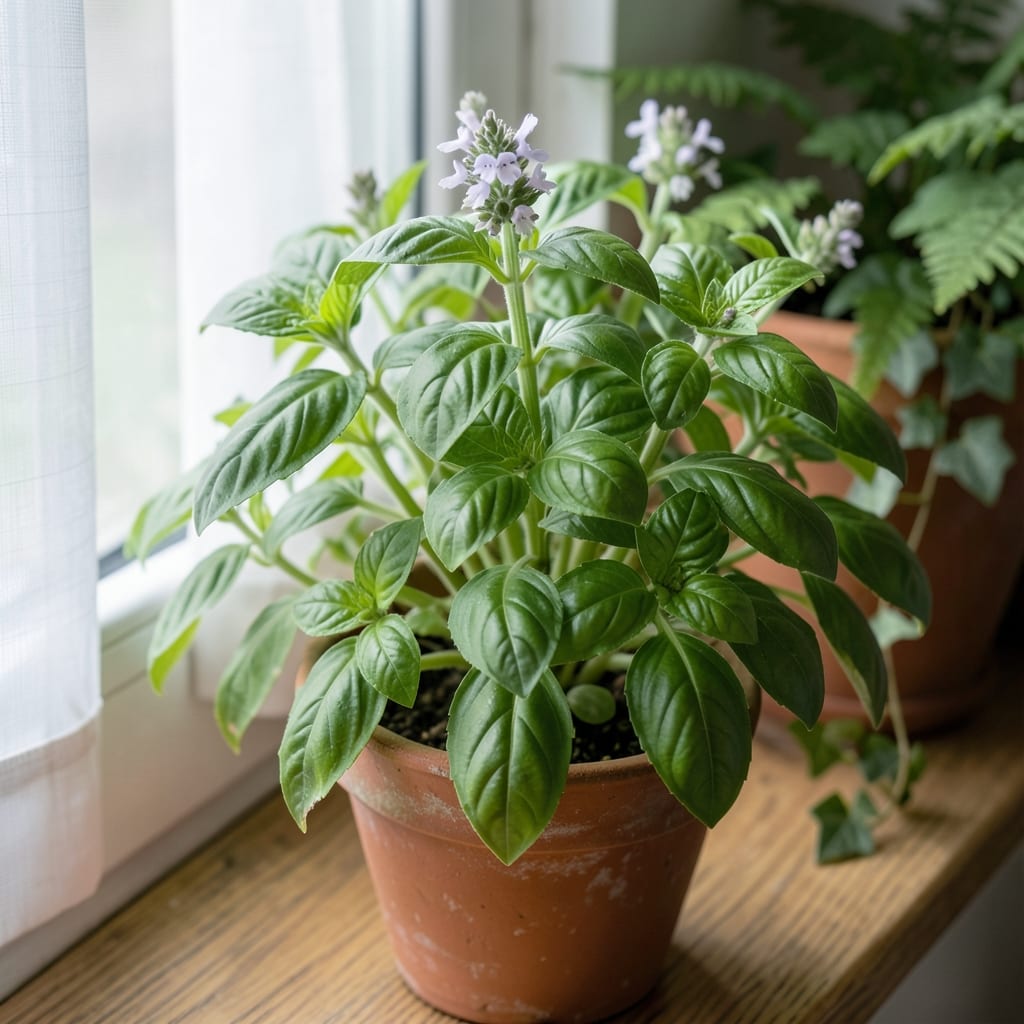
Basil plant height by variety: from compact to towering giants
When I first grew basil, I was shocked to see my Genovese basil shoot up to 24 inches in just 8 weeks! But not all basil varieties grow that tall—some stay compact and bushy, perfect for windowsills. The height of your basil depends on its genetic variety, growing conditions, and whether you prune it regularly. Let’s break down the most popular types and their mature heights so you can choose the perfect fit for your space.
Most basil varieties fall into three height categories: dwarf (6–12 inches), semi-dwarf (12–18 inches), and standard (18–24 inches). Dwarf varieties like Spicy Globe basil are ideal for containers, while standard types like Sweet basil thrive in garden beds. Understanding these differences helps you plan spacing and support needs before planting.
Genovese basil, the classic pizza herb, typically reaches 18–24 inches with long, slender leaves. Meanwhile, Thai basil often grows slightly taller (20–28 inches) and has a more upright habit. Purple basil stays compact (12–18 inches) but packs a deep purple hue that’s stunning in containers. Choosing the right variety isn’t just about height—it’s about flavor and aesthetics too!
🌱
If you’re growing basil in containers, dwarf varieties like Spicy Globe are your best bet—they stay under 12 inches and thrive in 6-inch pots. For garden beds, taller varieties like Genovese or Thai basil need 18–24 inches of space between plants to avoid competition. Overcrowding forces plants to stretch upward, leading to leggy growth and weaker stems.
One common misconception is that all basil grows tall and wild. In reality, pruning techniques can drastically alter height. For example, pinching the tips of Genovese basil early encourages bushier growth, keeping it under 18 inches instead of letting it bolt to 3 feet. The key is to prune regularly—every 2–3 weeks—to maintain your desired height and maximize leaf production.
For indoor growers, choose varieties like Sweet basil or Purple basil, which adapt well to south-facing windows and grow 12–18 inches tall. If your basil starts stretching toward the light (a sign of etiolation), supplement with a grow light to keep it compact. Even in containers, proper sunlight prevents that tall, spindly look that ruins the plant’s structure.
🌿
Pro tip: If you love Thai basil’s height but want to control it, try staking or using a small trellis. This supports the plant’s natural growth while keeping it from flopping over. For dwarf varieties, avoid deep pots—they encourage root growth over leaf production, making the plant focus on height instead of bushiness.
Remember, basil’s height is a dynamic trait. With the right variety, care, and pruning, you can grow basil that’s perfect for your space, whether it’s a 6-inch windowsill wonder or a 2-foot garden staple. The choice is yours—and the flavor is always delicious!
Basil plant height by variety: from compact to towering giants
Basil’s height varies dramatically by variety, with some staying compact at just 6 inches while others stretch toward 2 feet. Knowing your basil’s mature size helps you plan spacing, containers, or garden beds to prevent overcrowding and leggy growth. For example, Genovese basil typically reaches 18–24 inches, while Thai basil often maxes out at 12–18 inches. Dwarf varieties like Spicy Globe basil stay under 12 inches, making them perfect for windowsills or small pots.
Your choice of container size also impacts height. A 5-gallon pot gives standard basil room to grow tall, but cramped 4-inch pots force dwarf varieties to stay compact. Always match your container to the variety’s mature height—overcrowding triggers leggy stems as the plant stretches for light. For instance, Purple Ruffles basil (12–18 inches) thrives in 6-inch pots, while Lemon basil (18–24 inches) needs at least 8 inches of depth.
| Variety | Mature Height | Growth Habit | Ideal Spacing |
|---|---|---|---|
| Genovese | 18–24" | Bushy, upright | 12–18" apart |
| Thai | 12–18" | Compact, sprawling | 8–12" apart |
| Purple Ruffles | 12–18" | Bushy, ruffled leaves | 10–12" apart |
| Spicy Globe | 6–12" | Dwarf, rounded | 6–8" apart |
| Lemon Basil | 18–24" | Tall, upright | 12–18" apart |
Light exposure directly affects height—full sun (6+ hours) promotes balanced growth, while partial shade can stretch stems to 30 inches or more as the plant searches for light. For instance, Sweet basil in containers may grow 12–18 inches with proper sunlight but bolt (flower) and reach 24 inches if deprived. Always place basil where it gets direct sunlight to maintain its natural height and prevent legginess.
Pruning plays a critical role in height control. Regularly pinching back the top sets of leaves (when the plant has 4–6 true leaves) encourages bushier growth and prevents vertical sprawl. For tall varieties like Genovese, prune the top 2–3 inches to redirect energy to side shoots. Avoid heavy pruning late in the season, as this can stunt regrowth before winter.
Soil quality matters too—nutrient-rich, well-draining soil supports sturdy stems, while poor soil leads to weak, elongated growth. Amend your garden beds with compost or use a balanced fertilizer (10-10-10) every 4–6 weeks to keep basil compact and productive. Over-fertilizing with high nitrogen can also cause rapid but leggy growth, so always follow package instructions.
If you’re growing basil indoors, grow lights are a game-changer. Place lights 6–12 inches above the plant for 14–16 hours daily to mimic sunlight and prevent stretching. Without proper light, even dwarf varieties like Spicy Globe can grow 50% taller than expected. Rotate your containers weekly to ensure even growth and avoid lopsided plants.