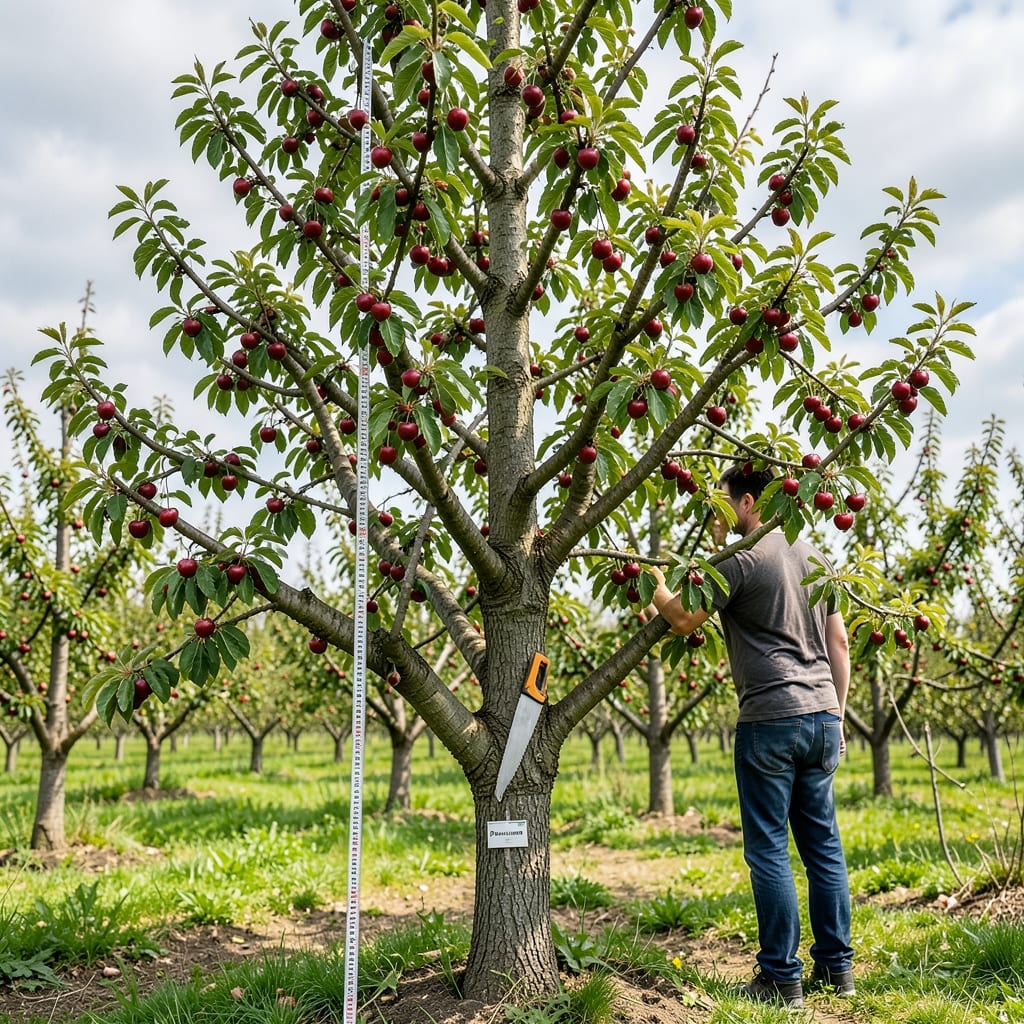
If you're wondering "how tall can a cherry tree grow", the answer might surprise you—some varieties stretch toward the sky like nature's skyscrapers, while others stay cozy enough for a small backyard. 🍒 Whether you're dreaming of a towering shade tree or a compact ornamental beauty, size matters for everything from pruning to fruit harvesting.
Standard cherry trees can reach an impressive 20 to 40 feet at maturity, making them a statement piece in any landscape. But don't let that intimidate you—dwarf varieties stay between 8 and 12 feet, perfect for urban gardens or patios. The key difference? It all comes down to the species and how you care for it.
Sweet cherries often grow taller, while tart varieties tend to be more manageable. Climate plays a role too—warmer zones like USDA Zone 6a can push growth faster, while cooler areas may slow things down. Proper spacing and pruning are the secrets to keeping your cherry tree at your desired height.
Ready to pick the perfect cherry tree for your space? I'll walk you through the height ranges of popular varieties and share pro tips to control growth—so you can enjoy those sweet summer fruits without sacrificing your yard's layout.
📈
Cherry Tree Tree Growth Timeline
Cherry tree height by variety: dwarf to giant sizes
When planning your cherry tree dream garden, size matters more than you might think. Some varieties grow tall enough to rival redwoods, while others stay small enough for a container garden. Let’s explore the height ranges of popular cherry trees so you can choose the perfect fit for your space.
The average mature height for cherry trees spans from 8 feet (dwarf varieties) to over 40 feet (standard fruit-bearing trees). The difference often comes down to whether you’re growing a sweet cherry (like Bing) or a tart cherry (like Montmorency), as well as the rootstock used for grafting.
Here’s a quick breakdown of what to expect from the most common varieties—whether you’re craving ornamental blooms or juicy summer fruit.
| Variety |
Type |
Mature Height (ft) |
Growth Rate |
Spacing Needs (ft) |
Best For |
| Stella® |
Ornamental |
8–12 ft |
Slow |
6–8 ft |
Small yards, containers |
| Montmorency |
Tart Cherry |
12–16 ft |
Moderate |
10–12 ft |
Fruit production, urban gardens |
| Bing |
Sweet Cherry |
20–25 ft |
Fast |
15–20 ft |
Rural properties, orchards |
| Rainier |
Sweet Cherry |
25–35 ft |
Moderate |
20–25 ft |
Large backyards, shade trees |
| Black Tartarian |
Tart Cherry |
15–20 ft |
Moderate |
12–15 ft |
Small orchards, pies |
| Lapins |
Ornamental |
10–15 ft |
Slow |
8–10 ft |
Patios, balconies |
| Stella® Pink |
Ornamental |
8–12 ft |
Slow |
6–8 ft |
Small spaces, pollinator gardens |
| Skeena |
Cherry tree height by variety: dwarf to giant sizes
When planning your landscape, knowing how tall can a cherry tree grow helps you choose the right variety for your space. 🍒 Sweet cherries like 'Bing' or 'Rainier' often reach 25 to 40 feet, while tart cherries such as 'Montmorency' typically max out around 20 to 30 feet. Ornamental varieties like 'Stella' or 'Kanzan' stay much shorter—ideal for smaller yards.
Dwarf varieties are bred to stay between 8 and 12 feet, perfect for urban gardens or containers. Semi-dwarf types grow 12 to 20 feet, offering a balance between manageable size and fruit production. Standard varieties, however, can dominate your landscape with heights up to 40 feet.
Here’s how popular cherry tree varieties compare in height and care needs:
| Variety |
Type |
Mature Height |
Spacing Needs |
Growth Rate |
| 'Bing' |
Sweet Cherry |
25-40 ft |
20-25 ft from other trees |
Moderate (1-2 ft/year) |
| 'Montmorency' |
Tart Cherry |
20-30 ft |
15-20 ft from other trees |
Moderate (1-2 ft/year) |
| 'Stella' |
Ornamental |
8-12 ft |
10-12 ft from other plants |
Slow (6-12 in/year) |
| 'Kanzan' |
Ornamental |
10-15 ft |
12-15 ft from other plants |
Moderate (1 ft/year) |
| 'Rainier' |
Sweet Cherry |
20-30 ft |
20 ft from other trees |
Moderate (1-2 ft/year) |
| 'Black Tartarian' |
Tart Cherry |
15-20 ft |
15 ft from other trees |
Moderate (1 ft/year) |
Climate also affects height—trees in warmer zones (USDA 6a+) grow faster and taller than those in cooler regions. For example, a 'Bing' cherry in California may reach 40 feet, while the same variety in the Pacific Northwest might stay around 25 feet.
If space is limited, consider columnar varieties like 'Compact Stella', which grow only 6-8 feet tall but produce abundant blooms. These are perfect for narrow gardens or even large containers. 🪴
When planting, always check the spacing recommendations for your chosen variety. A 25-foot tree needs at least 15-20 feet of clearance from structures, power lines, and other trees to thrive without competition.
★★★★★4.7(6 reviews)
|