
Size
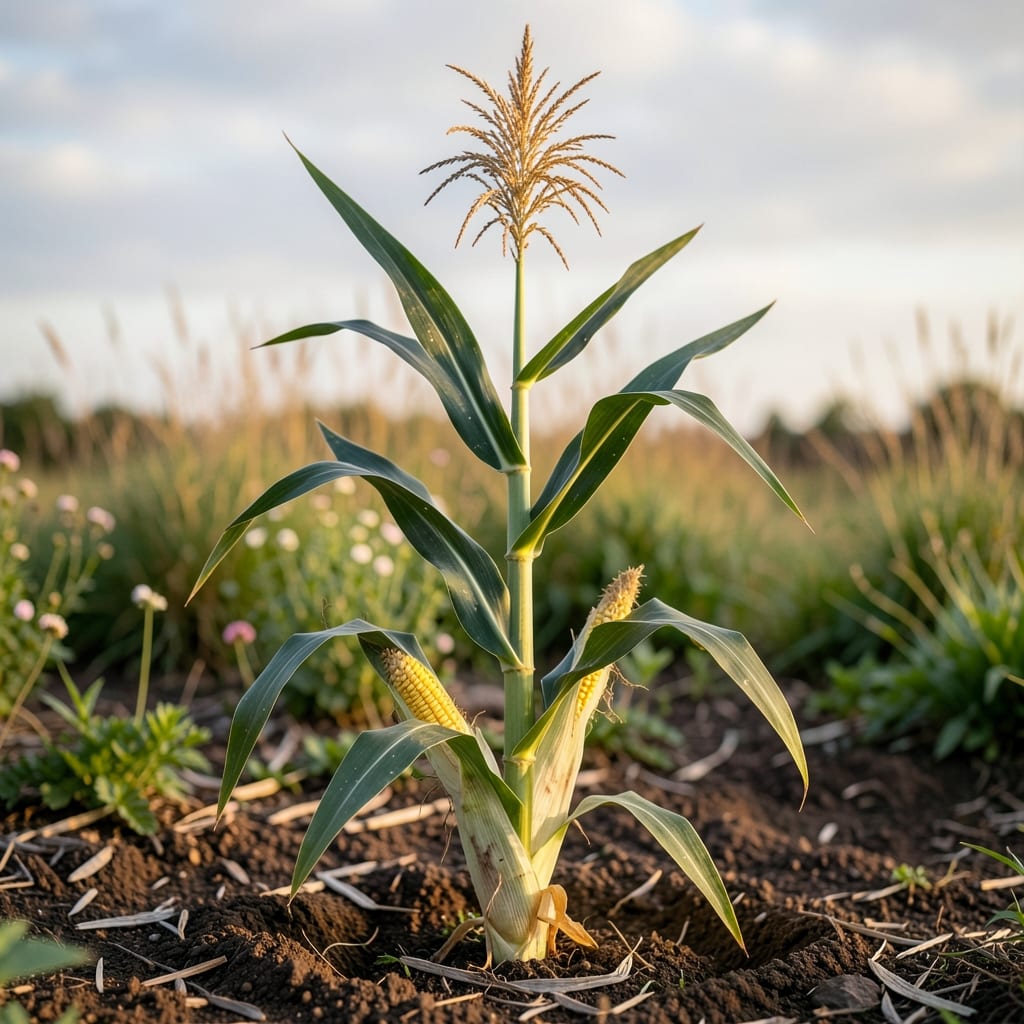
If you’ve ever wondered just how tall that towering 🌽 corn plant in your backyard can grow, you’re not alone—especially when space is limited or you’re dreaming of a harvest that rivals a corn maze. The answer isn’t one-size-fits-all, because corn varieties range from compact dwarf stalks barely taller than your knee to giants that stretch toward the sky like nature’s skyscrapers.
For most gardeners in USDA Zone 6a, standard sweet corn varieties typically reach between 6 and 10 feet, while ornamental types can even surpass that mark. But here’s the game-changer: dwarf varieties stay between 3 and 5 feet, making them perfect for containers or small plots. Whether you’re crunched for space or aiming for a dramatic backyard centerpiece, understanding these height differences is the first step to planning your perfect corn patch.
What you’ll discover in this guide is how to maximize growth without sacrificing your garden’s layout—plus the secrets to choosing the right variety for your climate and goals. From soil prep to sunlight tricks, we’ve got the insider tips to help your corn thrive, no matter how tall (or short) you want it to be.
Ready to turn your garden into a corn-filled oasis? Let’s dive into the varieties, spacing hacks, and pro tips that’ll have your stalks reaching new heights—literally. Your backyard (and your harvest) will thank you!


Corn plant height by variety: from dwarf to giant stalks
Corn plants are architectural giants in the garden, with mature heights ranging from 3 feet for dwarf varieties to over 12 feet for giant stalks. The height you can expect depends entirely on the variety you choose, and understanding these differences will help you plan your garden layout, trellising needs, and even companion planting strategies.
For most home gardeners, standard sweet corn varieties like 'Silver Queen' or 'Golden Bantam' reach 6 to 10 feet at maturity. These are the varieties you'll find in seed packets at local nurseries, and they're perfect for traditional backyard gardens with plenty of space. But if you're working with limited square footage, don't worry—there are excellent options for shorter plants too.
Dwarf corn varieties like 'Tom Thumb' or 'Mini-Midget' stay between 3 and 5 feet tall, making them ideal for container gardening or small urban plots. These compact plants still produce delicious ears but with significantly less vertical space requirements. Meanwhile, ornamental corn varieties like 'Glass Gem' can grow even taller than standard sweet corn, sometimes reaching 10 to 12 feet.
Here's a quick comparison to help visualize these differences: A standard corn stalk will tower over your average adult human (about 5'9"), while a dwarf variety might only reach your waist. This height variation isn't just about aesthetics—it affects how you'll need to manage your garden space and even how you'll harvest those sweet ears.
| Variety Type | Mature Height | Best For | Days to Maturity |
|---|---|---|---|
| Dwarf Varieties | 3-5 ft | Containers, small spaces, urban gardens | 60-80 days |
| Standard Sweet Corn | 6-10 ft | Traditional gardens, family-sized harvests | 80-100 days |
| Semi-Dwarf Varieties | 5-7 ft | Medium spaces, trellising options | 75-90 days |
| Ornamental/Giant Varieties | 8-12 ft | Landscaping, large gardens, decorative use | 90-120 days |
When selecting corn varieties, consider your local climate zone and growing season length. Taller varieties typically need longer growing seasons (at least 90 days from planting to harvest) and thrive in warmer climates. In cooler regions, dwarf or semi-dwarf varieties may be your best bet to ensure successful maturation before frost.
Another important factor is pollination success. Taller corn plants often have better pollination because their tassels (the pollen-producing flower clusters) are more exposed to wind and insects. However, even dwarf varieties can pollinate effectively if planted in blocks of at least 4 plants to ensure cross-pollination between stalks.
If you're growing corn in containers or raised beds, dwarf varieties are your best friend. A 5-gallon container can comfortably support a 3-foot-tall corn plant, while standard varieties would need much larger containers (at least 15 gallons) to support their root systems and prevent tipping over in windy conditions.
Remember that corn plants are annuals, meaning they complete their entire life cycle in one growing season. This gives you the flexibility to experiment with different varieties each year based on your space constraints and gardening goals. Whether you're aiming for bountiful harvests or ornamental beauty, there's a corn variety that will fit your garden perfectly.
For gardeners with limited space, consider interplanting corn with shorter companions like beans or lettuce. The corn will provide shade for the understory plants while they mature, creating an efficient use of vertical space in your garden layout.
Corn plant height by variety: from dwarf to giant stalks
When planning your corn patch, height matters more than you might think. Standard sweet corn varieties can reach 7 to 12 feet tall, while ornamental varieties like flint corn or blue corn often exceed 10 feet. Choosing the right variety isn't just about aesthetics—it affects pollination success, sunlight access, and even harvesting ease.
For smaller spaces, dwarf corn varieties like 'Little and Tender' or 'Golden Bantam' stay between 3 to 5 feet, making them perfect for container gardening or raised beds. These compact plants still produce delicious ears but require less vertical clearance. If you're growing corn in USDA Zone 6a or warmer, you'll have the most success with varieties adapted to your climate.
Here's how different corn varieties compare in height and growing characteristics:
| Variety Type | Height Range | Days to Maturity | Best For |
|---|---|---|---|
| Dwarf Varieties | 3-5 ft | 60-75 days | Containers, small gardens |
| Semi-Dwarf | 5-7 ft | 75-90 days | Home gardens, pollination |
| Standard Sweet Corn | 7-12 ft | 90-120 days | Large gardens, fresh ears |
| Ornamental/Flint Corn | 8-14 ft | 100-135 days | Decorative, long-term gardens |
If you're growing corn for pollination success, plant at least two rows of the same variety to ensure proper cross-pollination. Standard varieties need ample space between stalks (12-18 inches apart) to prevent overcrowding, which can stunt growth. For ornamental corn, consider spacing plants 2 feet apart to showcase their striking stalks and tassels.
One common misconception is that taller corn always means better yield. In reality, dwarf varieties often produce more ears per plant because they allocate energy to ear development rather than vertical growth. If you're short on space but want a bountiful harvest, dwarf varieties might be your best bet.
For maximum height potential, focus on soil fertility, consistent watering, and full sun exposure. Corn plants in rich, well-drained soil with balanced nutrients (especially nitrogen and phosphorus) will grow taller and stronger. Just remember—taller doesn't always mean better if it comes at the cost of ear quality or structural stability.
Pro tip: If you love the look of tall corn but need to save space, try trellising or bush varieties. Some modern hybrids are bred to be shorter but high-yielding, giving you the best of both worlds. Always check seed packets for mature height estimates before planting!