
Trees
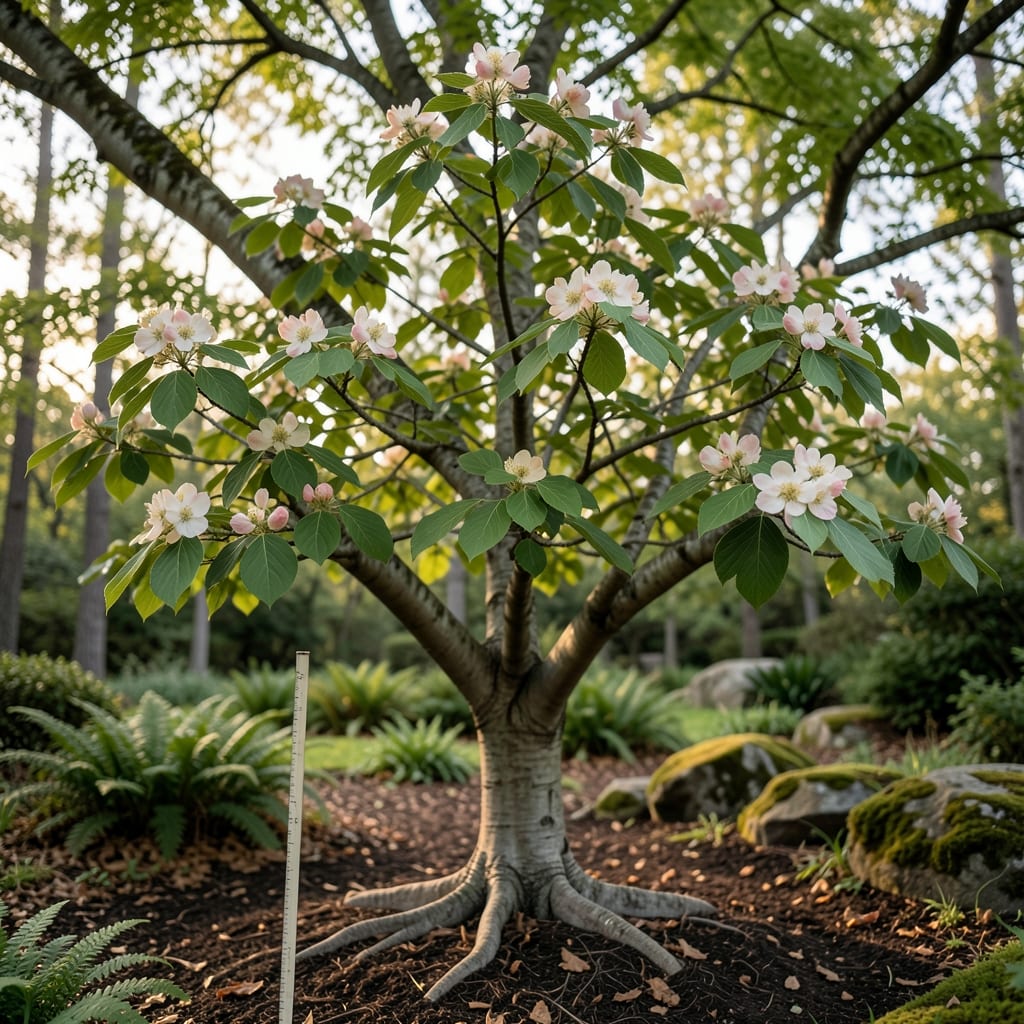
If you're dreaming of a stunning Dogwood Tree 🌳 that adds both height and beauty to your landscape, you’ve probably wondered just how tall these trees can grow. The answer isn’t one-size-fits-all—some varieties stay compact, while others reach towering heights, making them a game-changer for different garden styles.
Whether you're planning a cozy backyard retreat or a grand front yard statement, knowing the mature height of your Dogwood Tree is the key to spacing and design. From the petite 20-foot dwarf varieties to the majestic 40-foot giants, each type has its own growth story—and we’ll break it all down for you.
But height isn’t just about the variety you pick. Factors like soil quality, sunlight, and even your local climate play a huge role in how tall your Dogwood Tree will become. Discover the secrets to encouraging healthy growth or keeping it manageable, so you can enjoy its beauty without any surprises.
Ready to find the perfect Dogwood Tree for your space? Let’s explore the heights, growth rates, and practical tips to help you make the best choice for your garden. Your dream tree is just a few clicks away!


Dogwood Tree height by variety: from dwarf to giant species
Dogwood trees are beloved for their show-stopping spring blooms and lush foliage, but their mature height varies dramatically between species. Whether you're planning a small urban garden or a spacious woodland landscape, choosing the right variety is key to achieving your vision. Some dogwoods stay compact, while others tower like majestic sentinels—let’s explore the spectrum!
Understanding these height differences helps you avoid overcrowding issues or unexpected pruning battles later. For example, a dwarf variety might fit perfectly in a container garden, while a tall species could become your backyard’s centerpiece. Let’s dive into the specifics so you can pick the perfect match for your space.
🌱 Pro Tip: Always check your local USDA hardiness zone (e.g., Zone 5-9 for most dogwoods) and mature height ranges before planting. Some varieties listed below may need regular pruning to control growth in tight spaces.
| Variety | Mature Height (ft) | Growth Rate (ft/year) | Best For |
|---|---|---|---|
| Cornus florida (Flowering Dogwood) | 20-35 ft | 1-2 ft | Shade trees, woodland edges |
| Cornus kousa (Kousa Dogwood) | 20-30 ft | 1-1.5 ft | Urban landscapes, pollinator gardens |
| Cornus alternifolia (Pagoda Dogwood) | 12-20 ft | 0.5-1 ft | Small yards, multi-stemmed hedges |
| Cornus sericea (Red Osier Dogwood) | 6-12 ft | 0.5-1 ft | Wetland gardens, wildlife habitats |
| Cornus mas (Cornelian Cherry Dogwood) | 15-20 ft | 1 ft | Ornamental edging, early spring color |
| Cornus stolonifera (Red Twig Dogwood) | 6-10 ft | 0.5-1 ft | Container planting, small gardens |
| Cornus nuttallii (Pacific Dogwood) | 30-40 ft | 1.5-2 ft | Large estates, statement trees |
| Cornus officinalis (Chinese Dogwood) | 10-15 ft | 0.5-1 ft | Drought-tolerant gardens, slopes |
| Cornus 'Royal Purple' (Hybrid) | 15-20 ft | 1 ft | Colorful foliage, small yards |
| Cornus 'Golden Shadows' (Dwarf) | 6-8 ft | 0.3-0.5 ft | Containers, patios, urban gardens |
The Cornus florida and Cornus nuttallii are the tallest dogwoods, often reaching 30+ feet at maturity, making them ideal for large properties or as focal points in parks. In contrast, dwarf varieties like Cornus stolonifera or Golden Shadows stay under 10 feet, perfect for small spaces or container gardening.
Growth rates also vary—Pacific Dogwood can grow 2 feet per year in ideal conditions, while Pagoda Dogwood grows slower (0.5-1 foot/year). This means your
Dogwood Tree height by variety: from dwarf to giant species
Dogwood trees offer a stunning range of heights, from compact varieties perfect for small yards to towering giants that make a bold statement in large landscapes. The mature height of a dogwood tree depends entirely on its variety, with some reaching just 10 feet while others soar to 40 feet or more. Understanding these differences helps you choose the right type for your space and vision.
For example, the Cornus florida, or flowering dogwood, is one of the most popular varieties and typically matures between 20-35 feet. Meanwhile, dwarf varieties like Cornus florida 'Cherokee Brave' stay under 10 feet, making them ideal for urban gardens or containers. Each variety brings unique height characteristics, so let's explore the full spectrum.
| Variety | Mature Height (ft) | Growth Rate (ft/year) | Best For |
|---|---|---|---|
| Cornus florida (Flowering Dogwood) | 20-35 | 1-2 | Large yards, shade trees |
| Cornus kousa (Kousa Dogwood) | 20-30 | 1 | Urban landscapes, disease resistance |
| Cornus florida 'Cherokee Brave' | 10-15 | 0.5-1 | Small yards, containers |
| Cornus alternifolia (Pagoda Dogwood) | 15-25 | 0.5-1.5 | Woodland edges, multi-stemmed look |
| Cornus sericea (Red Osier Dogwood) | 3-6 (shrub form) | 0.5-1 | Wet areas, wildlife habitats |
| Cornus nuttallii (Pacific Dogwood) | 30-40 | 1.5-2 | Large properties, coastal regions |
When planning your landscape, consider not just the mature height but also the growth rate. Faster-growing varieties like Cornus nuttallii can add 2 feet per year, while slower growers like Cornus alternifolia may only gain 1 foot annually. This affects how quickly your dogwood will provide shade or fill out its space.
For smaller spaces, dwarf varieties like 'Cherokee Brave' or 'Rubra' are excellent choices, staying under 15 feet while still delivering stunning blooms. In contrast, larger varieties like Cornus florida 'Appalachian Spring' can reach 30 feet, making them ideal for spacious backyards or park settings.
Always check the spacing recommendations for your chosen variety—planting too close can lead to competition for nutrients and stunted growth. A general rule is to allow 15-20 feet of clearance for standard varieties and 10 feet for dwarf types to ensure proper airflow and sunlight penetration.
If you're unsure which variety suits your space, consider your landscape goals: Do you need a shade tree, a privacy screen, or a focal point? The right height will make all the difference in achieving your vision.