
Size
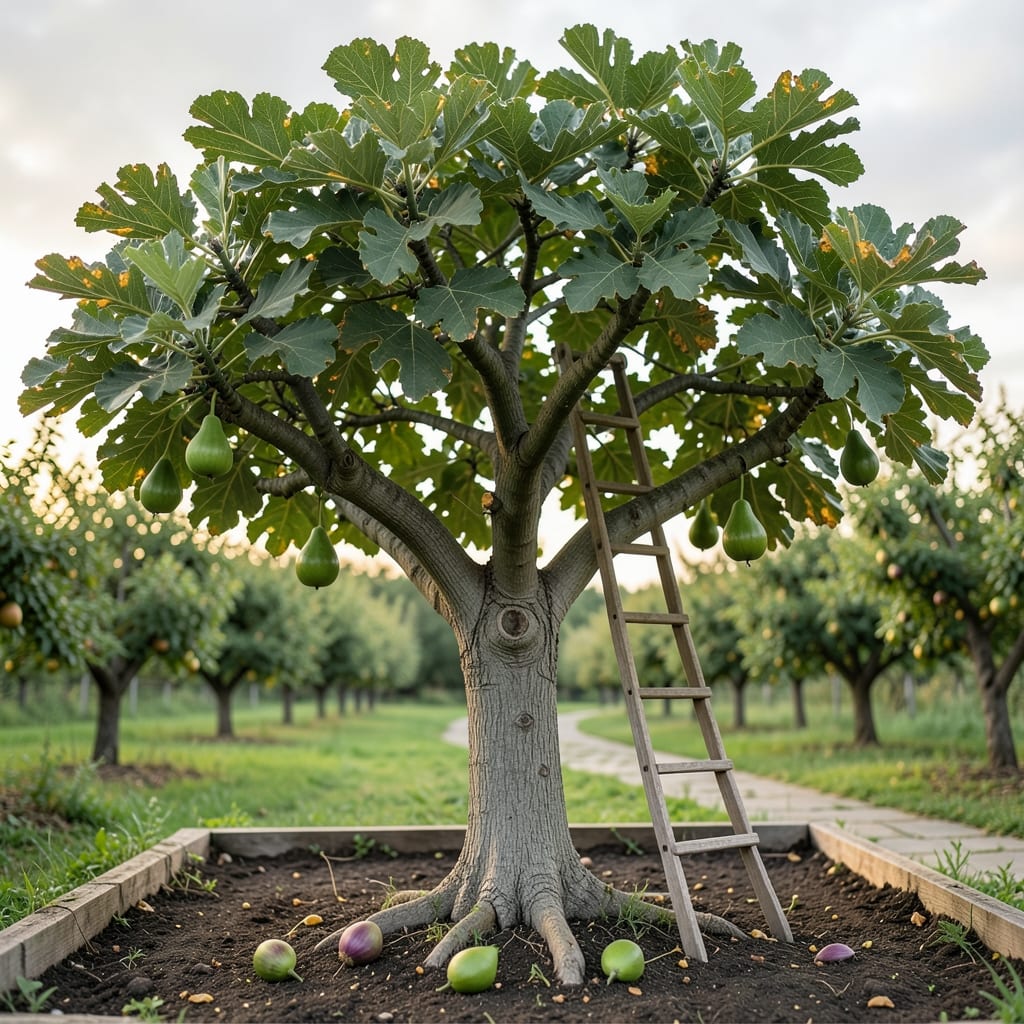
If you’ve ever wondered just how tall a fig tree 🌳 can grow, the answer might surprise you—some varieties stretch toward the sky like nature’s own skyscrapers, while others stay compact enough for even the smallest gardens.
Picture this: a 3-foot dwarf variety tucked neatly in a container or a 30-foot giant casting shade over your backyard. The difference isn’t just luck—it’s all about the type of fig tree you choose and how you care for it. Whether you’re dreaming of a towering shade provider or a manageable patio plant, understanding these growth patterns is the key to getting exactly what you want.
But here’s the twist: even the tallest fig trees can be shaped to fit your space with the right pruning techniques. We’ll break down the most popular varieties—like the hardy ‘Chicago Hardy’ or the classic ‘Brown Turkey’—and show you how sunlight, soil, and a little elbow grease can control their height. Ready to turn your fig tree dreams into reality?
Let’s dive into the world of fig trees, where size isn’t just a number—it’s a choice you get to make. Whether you’re working with 6a zone conditions or a cozy container, you’ll learn how to nurture a fig tree that grows just right for your needs.


Fig tree height by variety: dwarf to giant growth potential
Fig trees are one of nature’s most versatile plants—some stay small enough for city balconies, while others grow tall enough to rival oak trees. The mature height of a fig tree depends entirely on its variety, with some reaching 30 feet or more in ideal conditions. Whether you’re planning a backyard orchard or a container garden, knowing these differences is key to choosing the right tree for your space.
Climate plays a huge role in how tall a fig tree grows. In USDA Zone 8 and above, where winters are mild, figs can thrive year-round and reach their full potential. But in cooler zones like Zone 6a, even the hardiest varieties may stay shorter unless given extra protection. Soil quality also matters—well-draining, slightly alkaline soil encourages faster growth, while poor soil can stunt a tree’s height.
Here’s the exciting part: some fig varieties are bred specifically to stay small, making them perfect for containers or small gardens. Others, like the wild Mediterranean types, can grow into massive specimens if left unchecked. Let’s explore the most popular varieties and their growth habits so you can pick the perfect fit for your garden.
| Variety | Mature Height | Growth Habit | Best For |
|---|---|---|---|
| Chicago Hardy | 15-20 ft | Upright, cold-hardy | Large gardens, Zone 5+ |
| Brown Turkey | 20-30 ft | Vigorous, spreading | Backyard shade trees |
| Little Miss Figgy | 3-5 ft | Compact, bushy | Containers, patios |
| Celeste | 10-15 ft | Semi-dwarf, cold-tolerant | Small yards, Zone 6+ |
| Desert King | 12-18 ft | Drought-resistant | Arid climates, low-water gardens |
The Brown Turkey variety is a classic example of a fig tree that loves to grow tall—often reaching 30 feet in perfect conditions. If you’re aiming for shade and fruit, this variety is a top choice, but it needs space to spread its wide canopy. On the other hand, the Little Miss Figgy stays a manageable 3-5 feet, making it ideal for containers or small urban gardens where space is limited.
For those in cooler climates, the Chicago Hardy is a game-changer. It can handle Zone 5 winters and still grow to 15-20 feet, providing both fruit and cold resistance. If you’re in a warmer zone, varieties like Desert King thrive with minimal water and can grow just as tall, making them perfect for drought-prone areas.
One common misconception is that all fig trees need a massive yard to thrive. While some varieties do grow tall, others—like Celeste—stay in the 10-15 foot range and are perfect for smaller properties. The key is matching your space to the right variety and providing the care it needs to reach its full potential.
Soil type also influences height. Fig trees planted in sandy, well-draining soil tend to grow faster and taller than those in clay-heavy soil. If your garden has poor drainage, consider amending the soil with compost or planting in raised beds to encourage healthier, more vigorous growth.
Sunlight is another critical factor. Fig trees need 6-8 hours of direct sunlight daily to reach their maximum height. In shadier conditions, growth will be slower, and the tree may stay shorter. If you’re growing figs in containers, place them in the sunniest spot you have—even a few extra hours of light can make a difference in how tall your tree grows.
Ready to pick the perfect fig tree for your space? Whether you’re dreaming of a towering shade tree or a compact container plant, there’s a variety out there that’s just right for you. The next step? Learning how to manage its height with pruning—we’ll cover that in the next section! 🌿
Fig tree height by variety: dwarf to giant growth potential
Fig trees are one of nature’s most versatile plants—whether you want a compact patio tree or a towering shade provider, there’s a variety to match your vision. The height of a fig tree depends entirely on its type, with some dwarf varieties staying under 3 feet while others can soar to 30 feet or more in ideal conditions. Understanding these differences helps you choose the perfect fit for your space, whether that’s a container on a balcony or a backyard centerpiece.
Climate plays a huge role in how tall a fig tree grows. In warm, sunny regions like USDA Zone 8 and above, fig trees thrive and can reach their maximum height. But even in cooler zones like Zone 6a, with the right care, you can still grow a fig tree—just expect it to stay smaller or grow more slowly. Soil quality also matters: well-draining, nutrient-rich soil encourages faster and taller growth, while poor soil can stunt a tree’s potential.
Here’s the exciting part: even if you love the idea of a giant fig tree, you can always prune it back to keep it manageable. And if you prefer a tiny tree, some varieties are bred specifically to stay small. Let’s explore the most popular fig tree varieties and their mature heights so you can pick the perfect one for your garden.
| Variety | Mature Height | Best For |
|---|---|---|
| Chicago Hardy | 15–25 ft | Cold climates (Zone 5+), shade trees |
| Brown Turkey | 20–30 ft | Large landscapes, fruit production |
| Little Miss Figgy | 3–5 ft | Containers, small gardens |
| Violette de Bordeaux | 10–15 ft | Ornamental value, moderate climates |
| Celeste | 12–18 ft | Balconies, patio trees |
If you’re growing a fig tree in a container, height becomes even more manageable. Varieties like Little Miss Figgy or Celeste are perfect for pots, where their roots are naturally restricted, keeping them under 6 feet. For in-ground planting, however, you’ll need to plan for the tree’s full potential—especially if you’re aiming for a shade tree or a fruit-bearing giant.
One of the most important factors in controlling height is pruning. Even the tallest fig trees can be shaped into manageable sizes with regular pruning. For example, if you plant a Brown Turkey but want to keep it under 10 feet, pruning it back by one-third each year will encourage bushier growth and prevent it from becoming unruly. The key is to prune in late winter or early spring, before new growth begins.
Don’t let the potential height of a fig tree intimidate you—whether you choose a dwarf variety or a tall-growing classic, with the right care, you can enjoy its beauty, shade, and delicious fruit for years to come. Next, we’ll dive into the best pruning techniques to keep your fig tree at your desired height, no matter which variety you choose. ✂️🌳