
Flowers
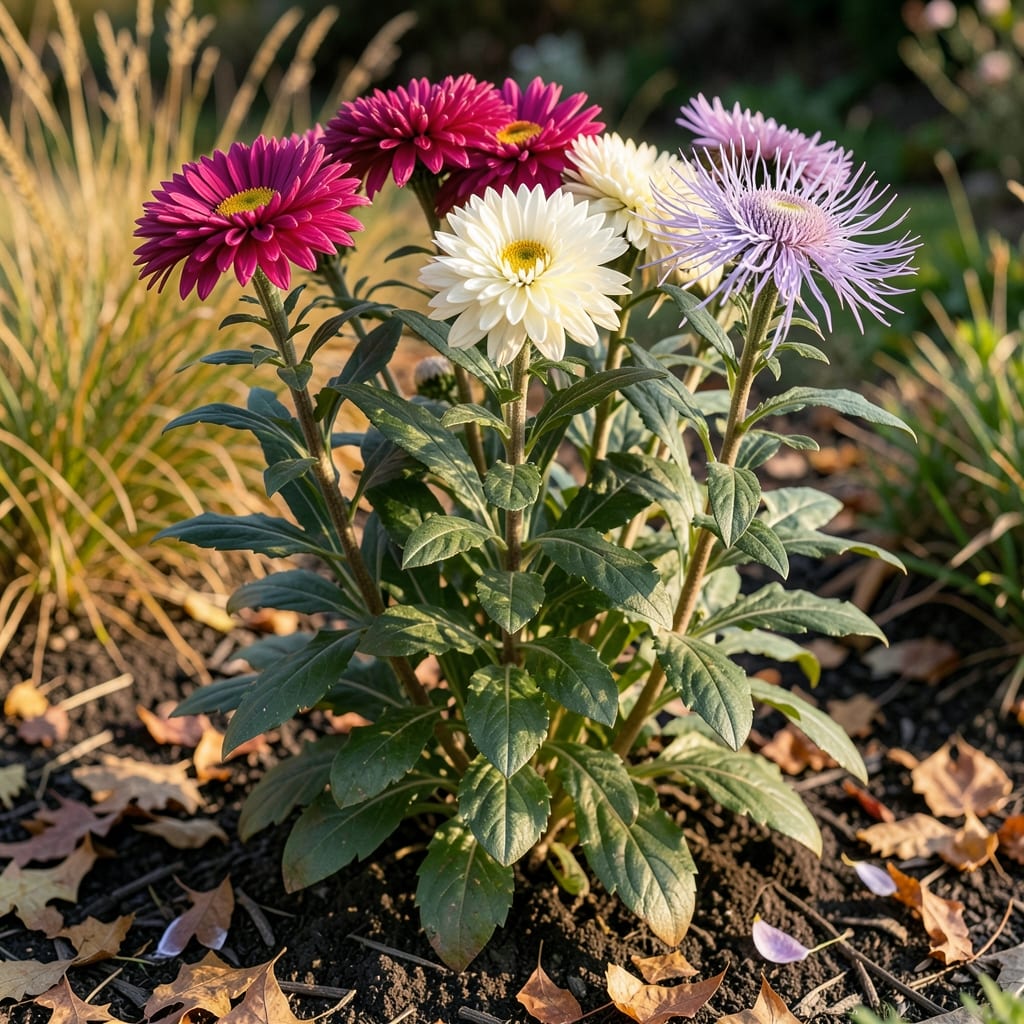
If you're planning your garden layout or dreaming of stunning fall arrangements, knowing how tall a florist's chrysanthemum can grow makes all the difference. These cheerful blooms (🌼) can range from delicate 8-inch dwarfs to towering 3-foot giants, depending on the variety you choose.
For home gardeners, this height flexibility is a game-changer - whether you're creating a low border or dramatic centerpiece. The key lies in selecting the right cultivar and understanding simple pruning techniques that can shape their growth from the start.
Let's explore the height ranges of popular varieties and how sunlight, soil, and timing affect their final stature. You'll discover how to coax your chrysanthemums to reach their full potential - or keep them compact for containers - without complicated gardening skills.
With the right approach, you can transform these versatile plants into your fall garden's star attraction. Ready to unlock their full height potential? Let's get growing!


Florist’s chrysanthemum height guide by variety: from dwarf to giant
When selecting florist’s chrysanthemums for your garden, height is one of the first decisions you’ll need to make. These plants offer an impressive range, from 8-inch dwarfs perfect for window boxes to 3-foot giants that command attention in borders. The variety you choose determines not just height but also bloom form and garden use.
For cut flower arrangements, taller varieties like Spooner types (24–36 inches) provide dramatic stems, while pompon varieties (12–18 inches) excel in container gardens or mixed borders. Even within the same category, individual plants can vary by 6–12 inches based on growing conditions.
Here’s how the most popular florist’s chrysanthemum varieties stack up in height, along with their ideal uses and growth habits:
| Variety | Height Range | Bloom Type | Best For |
|---|---|---|---|
| Dwarf (e.g., 'Little Princess') | 8–12 inches | Pompon, spray | Containers, window boxes, fairy gardens |
| Semi-Dwarf (e.g., 'Bonanza') | 12–18 inches | Decorative, anemone | Borders, mass plantings, cut flowers |
| Standard (e.g., 'Sahin') | 24–36 inches | Spooner, reflexum | Cut flower arrangements, back-of-border drama |
| Giant (e.g., 'Korean Giant') | 36–48 inches | Decorative, pompon | Specimen plants, focal points, large bouquets |
🌼 Pro Tip: Check seed packets for 'spread' measurements too—some varieties grow wider than tall!
If you’re working with limited space, dwarf varieties are your best bet, while tall varieties need sturdy stems to support their weight. For cut flower arrangements, look for varieties labeled as spooner or reflexum—these produce long, sturdy stems perfect for bouquets.
One common misconception is that all florist’s chrysanthemums grow tall by default. In reality, over 50% of varieties stay under 18 inches when properly pruned. The key is selecting the right type for your space and growth goals.
For container gardening, semi-dwarf varieties like 'Bonanza' thrive in 12-inch pots, while giant varieties need 18-inch containers with deep root space. Always check the mature height on seed packets—this gives you the most accurate expectation for full-grown plants.
In my own garden, I’ve found that early pruning can reduce even tall varieties by 30–50%. For example, a 3-foot 'Korean Giant' can be kept at 18 inches with regular pinching. This flexibility makes chrysanthemums one of the most adaptable fall flowers for any garden style.
When planning your garden layout, group similar-height varieties together. Place tall varieties at the back of borders or against fences, while dwarf types shine in foreground plantings or hanging baskets. This creates natural layers and draws the eye through your garden design.
Remember, height isn’t set in stone—proper care can influence growth by up to 20%. In the next section, I’ll share my go-to pruning techniques to shape your chrysanthemums exactly how you want them, whether you’re aiming for compact blooms or long stems for cutting.
🌱
How to control height: pruning tips for bushy blooms vs. tall stems
One of the easiest ways to influence your florist’s chrysanthemum’s height is through strategic pruning. Whether you want compact, bushy plants for borders or tall stems for cut flowers, the timing and technique matter. Most gardeners discover that pinching back stems early encourages more branches and shorter stature, while minimal pruning leads to taller, single-stemmed blooms.
Start pruning in early summer when plants reach about 6 inches tall. Use clean, sharp scissors to pinch off the top set of leaves just above a leaf node. This simple action triggers lateral buds to grow, creating a fuller plant with more blooms. Repeat this process every 2-3 weeks until mid-July to maintain control over height and shape.
For taller stems, reduce pruning after mid-summer. Allow the main stems to grow longer without pinching, which directs energy toward producing fewer but taller blooms. This technique works best for varieties like Spooner or Decorative types, which naturally grow taller when left unpruned.
🌱 Step-by-Step Pruning Guide
- Step 1: Pinch back stems when they reach 6 inches in early summer.
- Step 2: Use clean scissors to cut just above a leaf node.
- Step 3: Repeat every 2-3 weeks until mid-July for bushier growth.
- Step 4: Reduce pruning after mid-summer for taller stems.
- Step 5: Avoid heavy pruning in late summer to preserve blooms.
Timing is everything when it comes to pruning chrysanthemums. Prune too late, and you risk stunting flower production. Prune too early, and you might encourage leggy growth. Aim to finish pruning by mid-August to give your plants enough time to develop strong stems and vibrant blooms before fall.
Another common mistake is pruning too aggressively. Heavy pruning can stress the plant and reduce the number of blooms. Instead, focus on light, strategic pinching to shape the plant without overdoing it. This approach ensures your chrysanthemums stay healthy and produce the maximum number of flowers.
If you're growing chrysanthemums in containers, pruning becomes even more critical. Container-grown plants often grow more slowly due to limited root space, so pruning helps them fill out and reach their full potential. Use the same techniques as for in-ground plants, but monitor growth closely and adjust pruning as needed.