
Trees
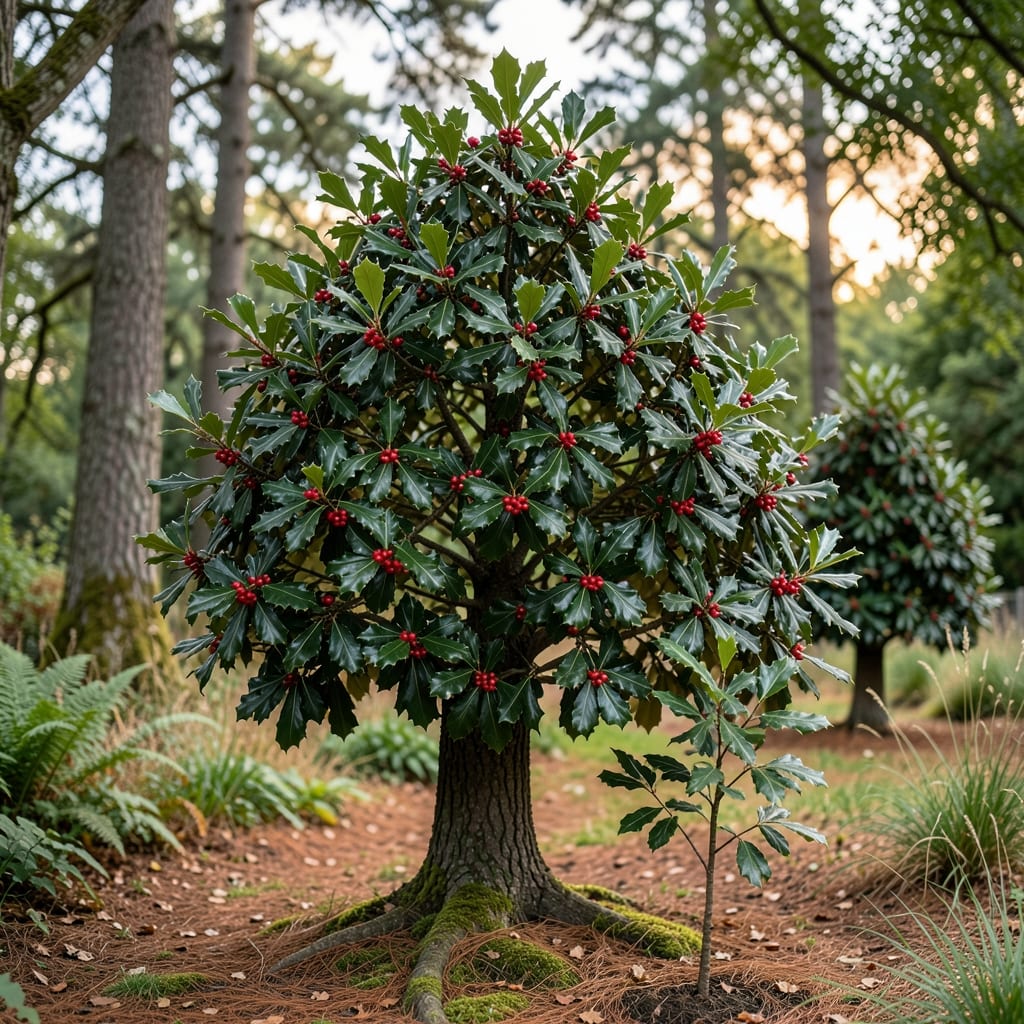
Wondering how tall can a holly tree grow in your backyard? The answer might surprise you—these evergreen beauties range from compact shrubs to towering giants that reach 60 feet or more! Whether you're planning a privacy hedge or a striking focal point, choosing the right variety is key to getting the height (and look) you want.
Holly trees like the American Holly (Ilex opaca) can grow into majestic specimens, while dwarf varieties like Ilex crenata stay neatly under 10 feet. The difference comes down to species, growing conditions, and a little strategic pruning. Let’s break down what influences their height and how you can shape one to fit your space perfectly.
From sunny lawns to shaded corners, holly trees thrive in USDA Zone 6a and beyond, making them a versatile choice for spring planting. But did you know their growth rate speeds up dramatically after the first few years? By year three, some varieties shoot up 8-12 feet, while others remain manageable hedges. The secret to controlling their size? Timing, tools, and a few expert tips.
Ready to transform your landscape? I’ll show you how to pick the perfect holly for your goals—whether that’s a privacy screen, a shade provider, or a low-maintenance accent plant. Let’s dive into the varieties and care tricks that’ll keep your holly healthy and at your desired height.


Holly tree height by variety: dwarf to giant species compared
Holly trees come in a stunning range of sizes, from compact shrubs under 5 feet to towering giants reaching 60 feet. The key to choosing the right one for your space? Knowing the mature height of each variety. For example, the American Holly (Ilex opaca) can grow up to 40-60 feet, while the Japanese Holly (Ilex crenata) stays a modest 6-12 feet tall. Let’s explore the height differences and how they fit into your landscape plans.
If you’re aiming for a privacy screen, varieties like ‘Nellie R. Stevens’ (25-35 feet) or ‘Sky Pencil’ (30-40 feet) are excellent choices. For a low-maintenance hedge, dwarf varieties like ‘Green Lustre’ (3-6 feet) or ‘Compacta’ (4-5 feet) are perfect. The right variety can transform your yard from a simple garden to a year-round evergreen masterpiece.
Here’s a quick comparison of popular holly varieties and their mature heights to help you decide:
| Variety | Mature Height (ft) | Growth Rate (ft/year) | Best For |
|---|---|---|---|
| American Holly (Ilex opaca) | 40-60 | 1-2 | Shade trees, wildlife |
| English Holly (Ilex aquifolium) | 20-40 | 1-1.5 | Hedges, topiary |
| Japanese Holly (Ilex crenata) | 6-12 | 0.5-1 | Dwarf hedges, containers |
| ‘Nellie R. Stevens’ | 25-35 | 1.5-2 | Privacy screens |
| ‘Green Lustre’ | 3-6 | 0.3-0.5 | Bonsai, containers |
| ‘Sky Pencil’ | 30-40 | 1-1.5 | Narrow spaces, vertical interest |
| ‘Compacta’ | 4-5 | 0.2-0.3 | Foundation plants |
The American Holly is the tallest variety, often reaching 60 feet in ideal conditions, while Japanese Holly varieties stay small and manageable. If you’re planting near power lines or in tight spaces, dwarf varieties like ‘Green Lustre’ or ‘Compacta’ are ideal. For a bold statement, go for ‘Sky Pencil’ or ‘Nellie R. Stevens’, which grow tall but narrow, perfect for vertical gardens.
Growth rate also varies by species. Fast growers like ‘Nellie R. Stevens’ can add 2 feet per year, while slower varieties like ‘Green Lustre’ grow just 0.3 feet annually. This means a 10-foot hedge could take 5 years with ‘Green Lustre’ but only 3 years with ‘Nellie R. Stevens’. Plan ahead to avoid overcrowding!
Pruning plays a huge role in controlling height. Regular pruning can keep even the tallest varieties like American Holly at a manageable size, while topiary shaping turns dwarf holly into living art. For example, ‘Sky Pencil’ can be pruned to stay under 20 feet if trimmed annually. The key is to prune in late winter or early spring before new growth starts.
Soil and sunlight also impact height. Holly trees thrive in well-draining soil with morning sun and afternoon shade. Poor soil or excessive shade can stunt growth, while rich, fertile soil and full sun
How long does a holly tree live? Lifespan and growth rate factors
Holly trees aren’t just stunning—they’re long-lived! With proper care, many varieties thrive for 50–300+ years, making them a legacy plant for your landscape. The American Holly (Ilex opaca) often lives over 200 years, while dwarf varieties like Ilex crenata may reach 100+ years with consistent care. Their lifespan depends on soil quality, climate conditions, and pruning practices, so let’s explore how to maximize their longevity.
One of the biggest factors in a holly tree’s lifespan is its growth rate. In their first year, holly trees grow slowly—just 1–2 feet—but by year three, they can shoot up 8–12 feet if conditions are ideal. After that, growth slows to 1–2 feet per year, but some fast-growing varieties like Ilex aquifolium 'Golden King' may reach 3–5 feet annually in perfect conditions. Understanding this growth pattern helps you plan for space requirements and pruning needs.
🌱 Soil and sunlight play critical roles in a holly tree’s health and lifespan. They thrive in well-draining, slightly acidic soil (pH 5.0–6.5) and tolerate partial shade to full sun. In hot climates, afternoon shade protects leaves from sun scorch, while cooler regions benefit from morning sunlight. Poor soil or extreme weather can stunt growth or shorten lifespan, so amending soil with compost and mulching helps create ideal conditions.
🌱 Key Factors Affecting Holly Tree Lifespan
- 1. Soil Quality: Well-draining, acidic soil (pH 5.0–6.5) supports root health.
- 2. Sunlight: 4–6 hours of morning sun prevents leaf burn in hot climates.
- 3. Watering: Deep watering weekly to bi-weekly keeps roots hydrated.
- 4. Pruning: Prune in late winter to remove dead branches and shape growth.
- 5. Climate: Hardy in USDA Zones 6a–9b; protect from extreme cold or heat.
- 6. Pest/Disease: Monitor for scale insects and fungal spots; treat early.
Pruning isn’t just about shaping—it’s a longevity strategy. Over-pruning can stress the tree, while selective pruning encourages healthy growth. Remove dead or diseased branches in late winter, and trim back 1/3 of new growth to maintain shape. Avoid heavy pruning in summer, as it can weaken the tree before winter. For hedge varieties, regular trimming keeps them dense and disease-resistant.
🌿 Signs of a healthy holly tree include glossy, dark green leaves, steady growth, and plentiful berries (on female trees). Yellowing leaves or stunted growth may signal nutrient deficiencies or root issues. To boost health, apply a balanced fertilizer (10-10-10) in early spring and late summer, and mulch around the base to retain moisture. These simple steps can extend your holly’s lifespan by decades.
With the right care, your holly tree can become a century-old centerpiece in your garden. Whether you’re growing a dwarf variety for a container or a towering American Holly for shade, understanding these growth factors ensures your tree thrives for generations. Ready to see how pruning can shape your holly’s future? Let’s explore height control tips next!