
How To
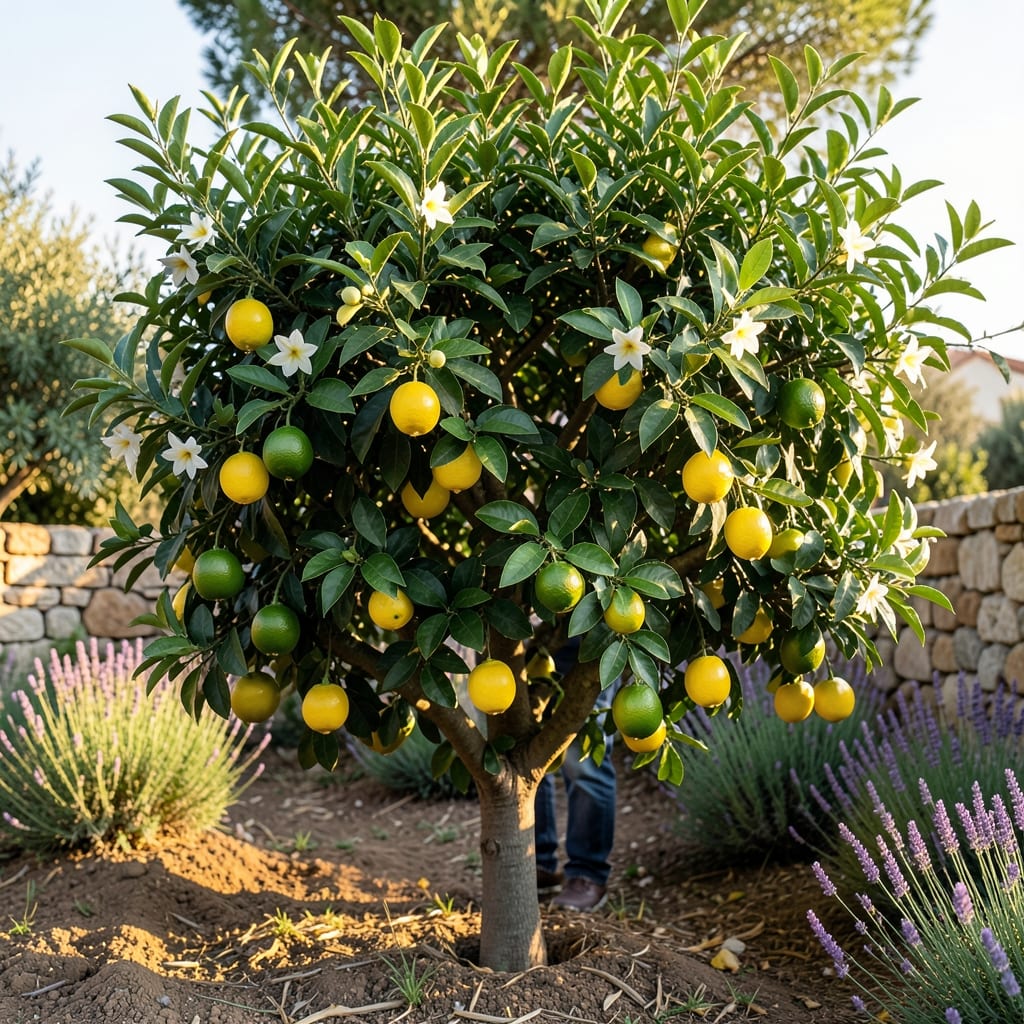
Lemon tree height by variety: from dwarf to Giant
If you’ve ever wondered, "How tall can a lemon tree grow?" the answer depends entirely on the variety you choose. Standard lemon trees can reach 15 to 25 feet tall, while dwarf varieties stay between 6 and 12 feet—making them perfect for containers or small gardens. The right choice ensures your tree fits your space without sacrificing fruit production.
Most lemon trees grow 3 to 6 feet per year in ideal conditions, but their mature size varies dramatically. A Meyer lemon tree, for example, often stays under 10 feet with proper pruning, while Lisbon lemons can tower over 20 feet if left unchecked. Understanding these differences helps you plan for sunlight, pruning, and even container size.
Here’s the key: dwarf varieties are grafted onto smaller rootstock, while standard varieties grow on their own roots and reach full height. If you’re short on space, dwarf or semi-dwarf types are your best bet—but even they need regular care to stay compact. Let’s break down the most popular varieties and their mature heights.
| Variety | Mature Height (ft) | Growth Rate (ft/year) | Best For |
|---|---|---|---|
| Meyer Lemon | 6–12 ft | 3–5 ft | Containers, small gardens, cold climates |
| Eureka Lemon | 12–18 ft | 4–6 ft | Backyards, warm climates, high yield |
| Lisbon Lemon | 15–25 ft | 5–8 ft | Large gardens, commercial orchards |
| Villa Franca Lemon | 8–12 ft | 3–5 ft | Containers, Mediterranean climates |
| Ponderosa Lemon | 20–30 ft | 6–10 ft | Ornamental, large landscapes |
Choosing the right variety isn’t just about height—it’s also about fruit quality and climate suitability. For example, Meyer lemons thrive in USDA Zones 8–11 and produce sweeter, smaller fruit perfect for containers. Meanwhile, Eureka lemons are hardier and better for commercial production in warmer zones. If you live in a cooler climate, opt for a dwarf variety or grow your tree in a large pot you can move indoors during winter.
Another factor influencing height is rootstock. Dwarf trees are grafted onto sour orange or trifoliate orange rootstock, which naturally limits their size. Standard trees, however, grow on their own roots and can become monstrously tall if unpruned. This is why many gardeners prefer dwarf varieties—they’re easier to manage and still produce abundant lemons with the right care.
If you’re growing in a container, even standard varieties can be kept smaller with regular pruning and root pruning. Just ensure your pot is at least 15–20 gallons for mature trees to accommodate root growth. Without proper container size, your tree may become root-bound, stunting its growth and reducing fruit production.
For those with limited space, Meyer lemons are the top choice—they’re compact, cold-hardy, and prolific. But if you want larger, classic lemons, Eureka or Lisbon varieties deliver better flavor and size, though they’ll need more room to stretch their branches. Always consider your garden layout and how much vertical space you can allocate before planting.
Pro tip: If you’re unsure which variety to pick, start with a Meyer lemon—it’s the most forgiving for beginners and adapts well to containers. Once you’ve mastered its care, you can experiment with taller varieties like Eureka or Lisbon for a more traditional lemon tree experience.
Remember, even the tallest lemon trees can be managed with pruning. With the right techniques, you can keep any variety at your desired height—whether that’s 6 feet for a patio tree or 15 feet for a backyard centerpiece. The key is consistent care and strategic trimming to encourage bushier growth.
Lemon tree height by variety: from dwarf to Giant
If you’ve ever wondered, "How tall can a lemon tree grow?" the answer depends entirely on the variety you choose. Standard lemon trees can tower over 20 feet in ideal conditions, while dwarf varieties stay under 10 feet—perfect for containers or small patios. The right choice ensures your tree fits your space without sacrificing fruit production. Let’s break down the most popular types and their mature heights.
Standard lemon trees like the Eureka or Lisbon varieties can reach 15 to 25 feet tall, making them stunning backyard centerpieces but requiring ample space. These giants thrive in warm climates and produce abundant fruit—but their size demands careful planning. If you’re short on space, dwarf varieties like the Meyer lemon or Villa Franca are game-changers, often staying between 6 to 12 feet tall.
| Variety | Mature Height | Growth Habit | Best For |
|---|---|---|---|
| Meyer Lemon | 6–12 ft | Compact, bushy | Containers, patios |
| Eureka | 15–25 ft | Tall, upright | Backyards, large gardens |
| Villa Franca | 8–15 ft | Semi-dwarf, spreading | Medium spaces, containers |
| Lisbon | 15–20 ft | Tall, vigorous | Large gardens, orchards |
| Ponderosa | 20–30 ft | Giant, spreading | Rural properties, landscapes |
For small-space gardeners, the Meyer lemon is a standout. It matures at 6–12 feet but produces sweeter, smaller lemons perfect for indoor pots or balconies. Meanwhile, the Villa Franca offers a middle ground with 8–15 feet of height while staying manageable for pruning. If you’re dreaming of a backyard orchard, the Eureka or Lisbon varieties deliver abundant fruit but require regular pruning to control their 15–25-foot reach.
Climate also plays a role in height. In USDA Zones 9–11, lemon trees grow taller and faster due to year-round warmth. In cooler zones (like Zone 8), they may stay shorter or need container growing for winter protection. Always check your local frost dates—lemon trees hate cold snaps and can suffer damage if exposed to temperatures below 20°F.
Pro tip: If you’re torn between varieties, consider rootstock. Many dwarf trees are grafted onto dwarfing rootstock, which naturally limits their height while keeping the fruit quality of the desired variety. This is how nurseries create compact yet productive lemon trees for urban gardens.
Ready to pick your perfect lemon tree? Start with your space constraints and climate, then match them to the variety that fits. With the right choice, you’ll enjoy homegrown lemons without the headache of a 20-foot monster taking over your yard! 🌱🍋