
Size
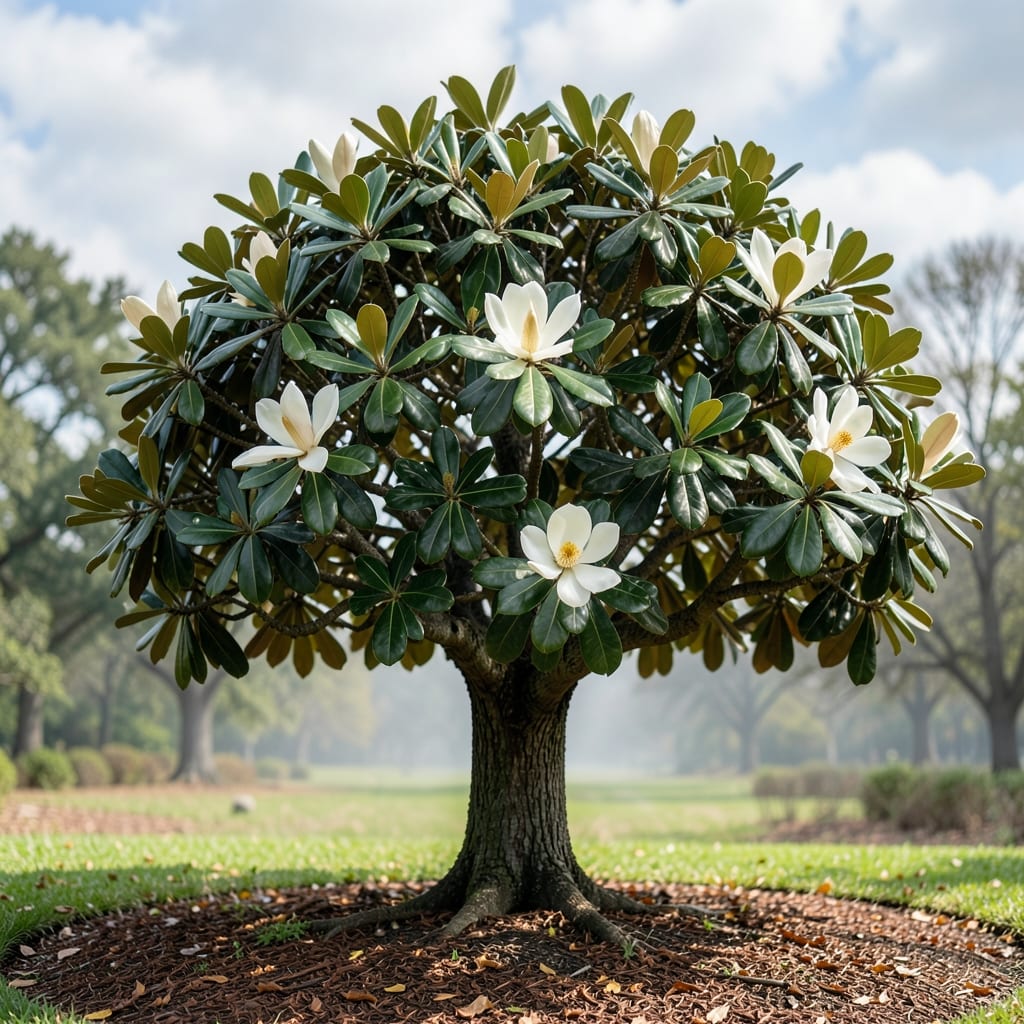
If you’ve ever dreamed of a towering Magnolia Tree🌸 gracing your yard with fragrant blooms, you’re probably wondering just how tall these stately beauties can grow. Some magnolias stretch toward the sky like skyscrapers, while others stay humble enough for even the smallest backyards—making the right choice all about your space and vision.
The answer depends entirely on the variety you pick. A Magnolia grandiflora, for example, can reach heights of 80 feet or more, while a Magnolia stellata stays cozy at 15-25 feet. That’s the difference between a neighborhood landmark and a charming garden accent. Knowing these heights helps you plan your landscape with confidence.
But here’s the secret: even the tallest magnolias can be managed with the right care. Pruning at the right time and giving them the proper space to grow ensures they thrive without taking over your yard. Whether you’re working with a 6a climate zone or a cozy urban plot, we’ll break down how to keep your magnolia happy—and at the perfect height for your space.
Ready to find the perfect magnolia for your yard? Let’s explore the varieties, growth tips, and pruning tricks that will help you grow the tree of your dreams—without the surprises.


Magnolia tree height by variety: from dwarf to giant species
Choosing a magnolia tree often comes down to one critical question: how tall can it grow? The answer varies dramatically depending on the species, with some reaching 80+ feet while others stay under 15 feet. Understanding these differences helps you select the perfect tree for your space—whether you have a sprawling estate or a cozy urban patio.
Magnolias are divided into three broad height categories: dwarf varieties (8–15 ft), semi-dwarf varieties (15–25 ft), and standard varieties (30–100 ft). The right choice depends on your yard size, sunlight, and long-term maintenance goals. For example, a Magnolia grandiflora can dwarf a two-story house, while a Magnolia stellata fits neatly into a small garden.
Here’s how some of the most popular magnolia varieties compare in height, along with their ideal growing conditions and visual scale to help you visualize their mature size.
If you’re visualizing these heights, imagine a Magnolia grandiflora stretching taller than a 10-story building, while a Magnolia ‘Jane’ fits comfortably under a two-car garage. The key to managing height lies in selecting the right variety for your space and understanding how pruning and sunlight influence growth.
For example, Magnolia ‘Little Gem’ is a narrow, columnar tree perfect for tight spaces, while Magnolia ‘Black Tulip’ thrives in partial shade, making it ideal for woodland gardens. Always check the mature spread too—some varieties like Magnolia stellata spread wider than they grow tall, which is critical for planting near fences or sidewalks.
Another factor influencing height is climate and soil quality. Magnolias in USDA Zones 5–9 grow fastest in well-draining, slightly acidic soil with morning sun and afternoon shade. Poor soil or harsh winters can stunt growth, so amend your soil with compost and organic matter before planting to encourage healthy, vigorous growth.
Pro tip: When planting, leave ample root space. A 20-foot magnolia needs at least 10 feet of clearance from structures, while giants like Magnolia grandiflora require 30+ feet of open space. Skimping on root room can lead to stunted growth or root-bound stress, so plan accordingly.
Finally, remember that magnolias grow slowly compared to other trees. It can take 10–15 years for a dwarf variety to reach maturity, while standard varieties may take 20+ years. Patience pays off with stunning blooms and lush foliage, but careful planning ensures your magnolia thrives for decades.
🌸
How to control Magnolia tree growth: pruning tips for height management
Once you’ve chosen your magnolia variety, the next question is often: how do I keep it from growing taller than planned? While some magnolias like Magnolia grandiflora are meant to reach towering heights, others—like Magnolia ‘Jane’—can be pruned to stay within bounds. The key is timing, technique, and patience, as improper pruning can harm blooms or stunt growth entirely.
Pruning magnolias isn’t just about cutting branches—it’s about encouraging healthy growth patterns. Most magnolias bloom on old wood, meaning their flowers form on the previous year’s growth. If you prune at the wrong time, you risk removing next year’s blooms before they even appear. The best time to prune is late winter or early spring, just as new growth begins but before buds swell.
Here’s a critical rule: never prune after mid-summer, as this can trigger new growth that won’t harden off before winter, leading to frost damage. For example, if you prune a Magnolia stellata in August, you might lose its stunning spring flowers the following year. Always prioritize bloom preservation over aggressive height control.
- Topping: Cutting the top of the tree flat—this creates weak, upright growth and reduces blooms.
- Over-pruning: Removing more than 25% of the canopy in one session can shock the tree.
- Wrong timing: Pruning after buds form (early spring) or in late summer/fall.
- Improper cuts: Leaving stubs or cutting too close to the trunk, which invites disease.
🪴
To manage height effectively, focus on selective pruning. Start by removing suckers (shoots from the base) and water sprouts (vertical shoots), which compete with the main structure. Use clean, sharp pruners to make cuts just above a bud or branch collar—never leave jagged edges. For taller varieties like Magnolia grandiflora, prioritize raising the canopy by removing lower branches to improve airflow and sunlight penetration.
If you’re working with a young magnolia (under 5 years old), you can shape it more aggressively to establish a strong framework. For example, Magnolia ‘Little Gem’ benefits from early pruning to encourage a narrow, columnar shape. Always step back and visualize the tree’s future form—magnolias respond well to open-center pruning, where you remove inward-growing branches to create an airy, balanced silhouette.
One often-overlooked tip: mulch around the base after pruning to retain moisture and reduce stress. A 3-inch layer of organic mulch (like wood chips) also suppresses weeds and regulates soil temperature, which supports faster recovery. Pair this with regular watering (deep soaks once a week) during the first growing season post-pruning to encourage robust regrowth.
Finally, remember that magnolias grow slowly, so height control is a gradual process. With the right approach, you can guide even the tallest varieties—like Magnolia grandiflora—to fit your space without sacrificing beauty or health. The goal isn’t just to trim branches but to shape the tree’s future growth for decades of stunning blooms.
☀️