
How To
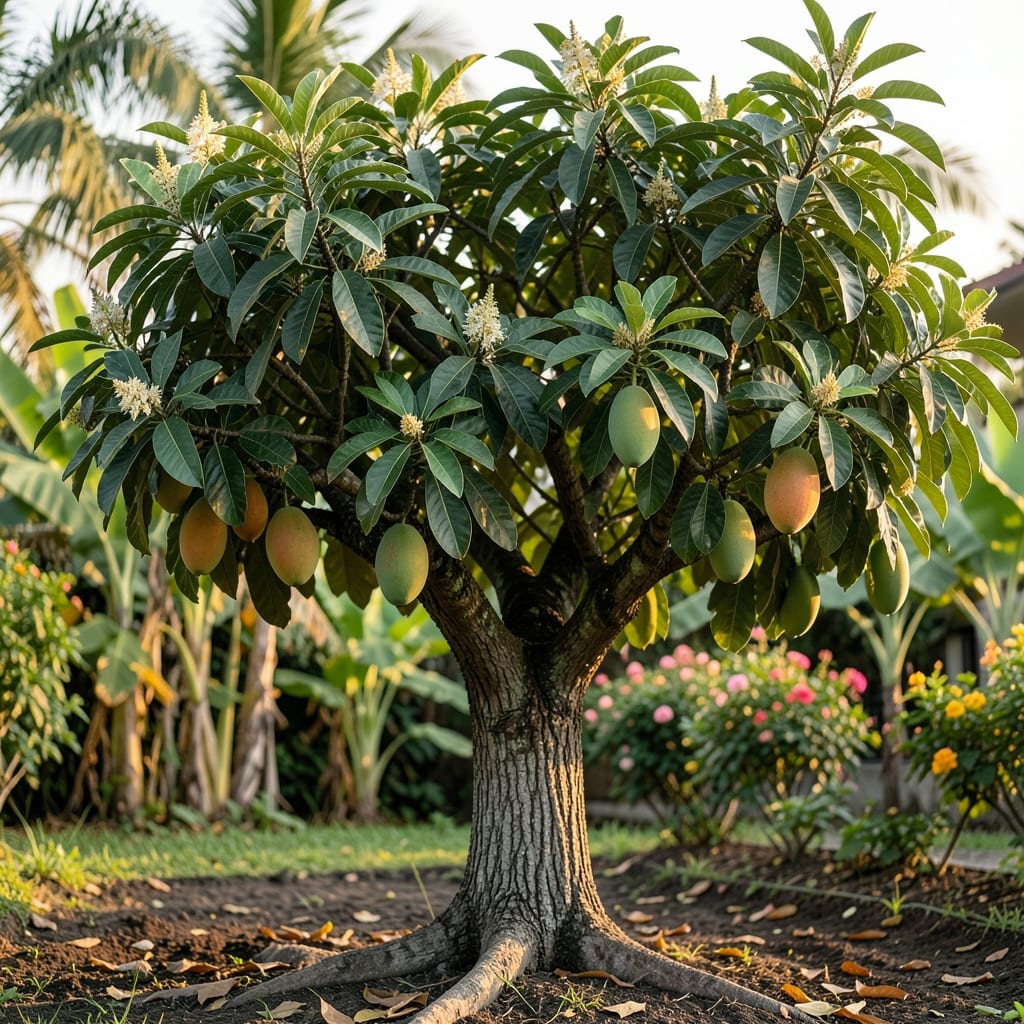
If you’ve ever wondered how tall a mango tree can grow—whether it’ll become a towering jungle giant or stay manageable in your backyard—the answer depends entirely on the variety and a few key growing factors you might not expect.
Some mango trees stretch toward the sky like skyscrapers, reaching heights of 100 feet or more, while others remain compact enough to fit in containers. The difference isn’t just about luck—it’s about choosing the right type, understanding your climate, and knowing how to guide its growth from the start.
In this guide, I’ll break down the height ranges of popular mango varieties, from dwarf options perfect for small spaces to the towering giants that thrive in tropical climates. You’ll also discover how pruning, soil, and even your local weather can shape your tree’s future size—so you can grow the perfect mango for your space.
Ready to turn that tropical dream into reality? Let’s explore how tall your mango tree could grow—and how to keep it exactly the size you want.

Mango tree height by variety: from dwarf to giant species
Mango trees (Mangifera indica) are famous for their dramatic height variations—some varieties stretch toward the sky like tropical skyscrapers, while others remain manageable for backyard orchards. The average mature height ranges from 30 to 100 feet, but your tree’s ultimate size depends entirely on its cultivar (variety) and growing conditions. Below, I’ve organized the most popular commercial and heirloom varieties by their height potential, including growth habits and ideal climates.
For example, the Keitt variety—beloved for its sweet, fibrous flesh—typically reaches 60 to 80 feet in tropical climates, while the Cogshall dwarf cultivar tops out at just 15 to 20 feet, making it perfect for containers or small yards. Understanding these differences helps you choose the right tree for your space and climate zone.
Here’s a quick breakdown of height ranges by category to help you visualize what to expect:
| Variety | Mature Height | Growth Habit | Climate Suitability |
|---|---|---|---|
| Keitt | 60–80 ft | Erect, dense canopy | USDA 10–12 |
| Alphonso | 70–100 ft | Spreading, broad crown | Tropical only |
| Haden | 50–70 ft | Upright, moderate spread | USDA 10–11 |
| Cogshall (Dwarf) | 15–20 ft | Compact, rounded | USDA 10–12 |
| Irwin | 40–50 ft | Semi-dwarf, open canopy | USDA 10–11 |
| Kent | 55–75 ft | Tall, narrow | Tropical/subtropical |
| Julie | 30–40 ft | Dwarf, bushy | USDA 10–12 |
| Nam Dok Mai | 80–100 ft | Massive, spreading | Tropical only |
| Ataulfo | 45–60 ft | Medium height, dense | USDA 10–12 |
| Sensation | 65–85 ft | Tall, upright |